The Ingredient Library
Cistus
Cistus ladanifer
Cistus essential oil is steam distilled from the sticky leaves and twigs of the gum rockrose, a shrub of the hills of Spain and Portugal. It has a warm, ambery and dry herbal scent.
Get to know cistus essential oil
- Source
- Leaves and twigs
- Origin
- Spain and Portugal
- Extraction
- Steam distilled
- Aroma
- Warm, ambery, herbal
What it is
Cistus is an aromatic essential oil distilled from the plant.
Why it belongs in your routine
Warm, ambery oil distilled from the sticky rockrose of Spain.
How to use
Always dilute in a carrier oil before it touches skin. Never use undiluted. Patch test first.
Where does cistus essential oil come from?
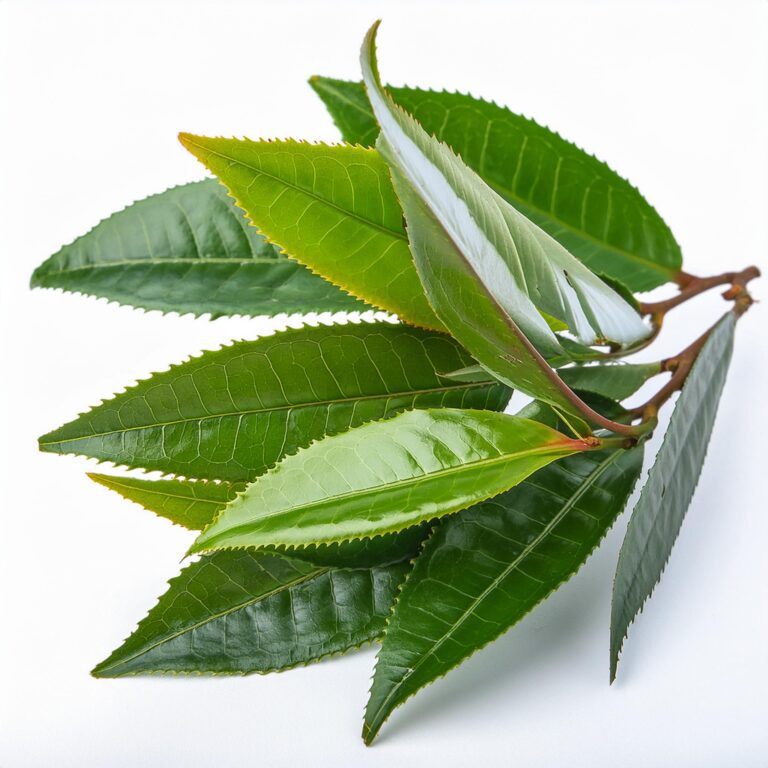
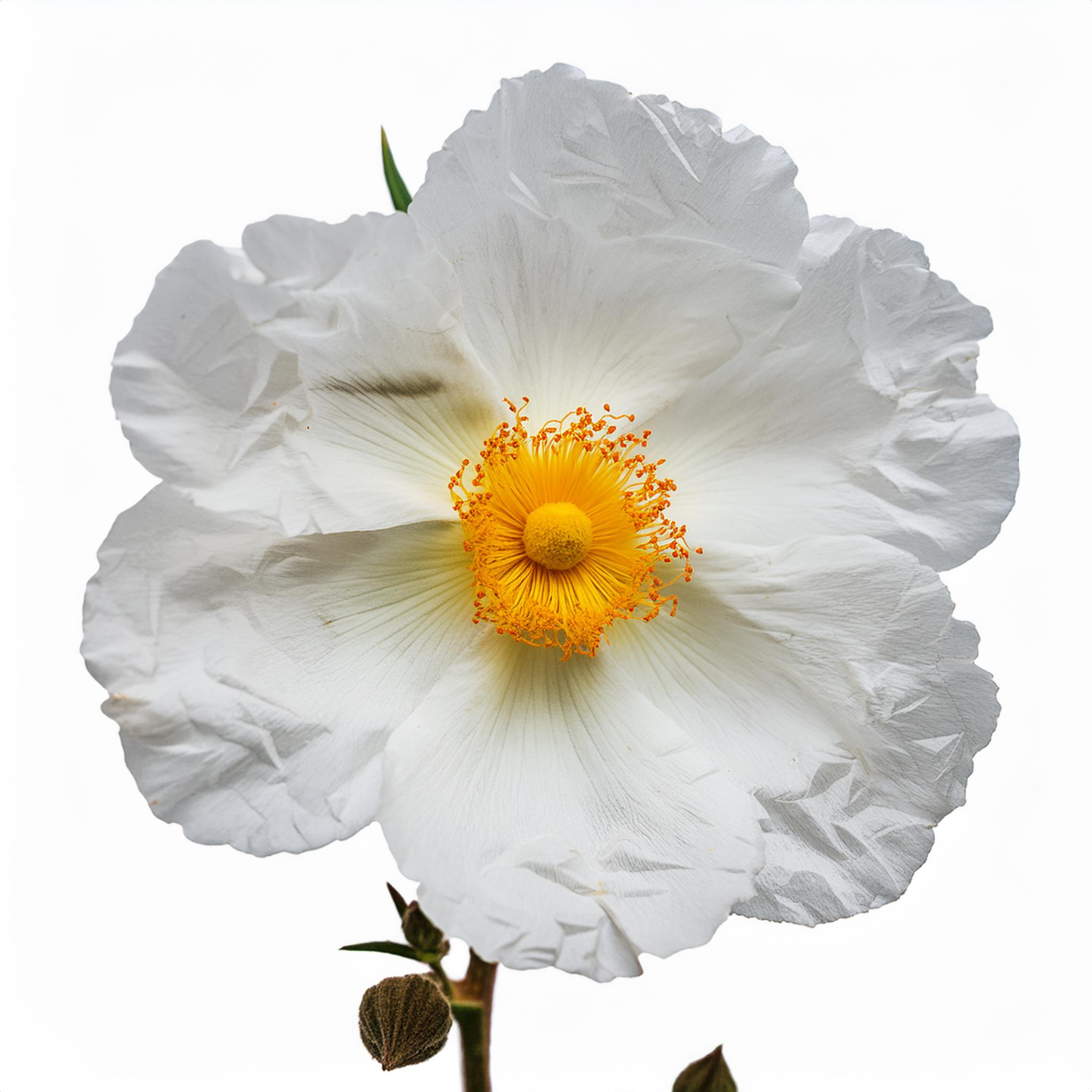
Cistus ladanifer, the gum rockrose, is an evergreen shrub of the western Mediterranean, covering dry hillsides in Spain, especially Andalusia and Extremadura, and in Portugal. It grows to around one to two and a half metres. Its narrow, dark green leaves are coated in a sticky, fragrant gum, and in spring it carries large white papery flowers, often with a dark red spot at the base of each petal.
Cistus essential oil is pale yellow to amber with a warm, dry and ambery scent carrying herbal, slightly honeyed and resinous notes. It typically contains alpha-pinene and other monoterpenes along with heavier compounds that give its depth. It is used in perfumery as a base for amber and leathery accords, and in small amounts in natural perfumes and aromatic blends.
Sourcing & extraction
How cistus essential oil is sourced and extracted
Why it is rare
The shrub grows mainly on the dry hillsides of south-west Europe, and the leaves are cut in summer when the gum is most abundant. Most of the plant's scent goes into labdanum gum products, so the leaf essential oil is made in comparatively small amounts.
How it is gathered
Cistus is typically harvested in summer, when heat makes the leaves most resinous. Harvesters in Andalusia and Portugal cut the leafy branches from wild stands on hillsides, often with machinery or by hand. The cut material is taken quickly to local distilleries, many of them in Spain, and loaded into the still fresh or after brief drying. The same shrub also supplies labdanum gum, extracted separately from the branches.
How it is made
Steam distilled from leaves and twigs
- Leafy branches of the rockrose are cut in summer, when the leaves are thick with sticky gum.
- The branches are chopped and packed into the still, usually soon after cutting.
- Steam is passed through the plant material, carrying the aromatic compounds up into a condenser.
- The condensed liquid separates in a collecting vessel, and the essential oil is drawn off and filtered.
How to use cistus essential oil
- Add a few drops to a diffuser for its aroma.
- For skin, dilute 1 to 2 drops in a teaspoon of carrier oil before applying.
- Keep away from eyes and never use undiluted on skin.
For external use only. Patch test on a small area before first use and stop if irritation occurs. If you are pregnant, nursing or have a medical condition, ask a healthcare professional before use.
From ingredient to routine
Products with Cistus
Find this ingredient in our collection.

Questions about Cistus
Where does Cistus come from?
Cistus is typically harvested in summer, when heat makes the leaves most resinous. Harvesters in Andalusia and Portugal cut the leafy branches from wild stands on hillsides, often with machinery or by hand. The cut material is taken quickly to local distilleries, many of them in Spain, and loaded into the still fresh or after brief drying. The same shrub also supplies labdanum gum, extracted separately from the branches.
How is Cistus extracted?
Steam distilled from leaves and twigs. Leafy branches of the rockrose are cut in summer, when the leaves are thick with sticky gum. The branches are chopped and packed into the still, usually soon after cutting. Steam is passed through the plant material, carrying the aromatic compounds up into a condenser. The condensed liquid separates in a collecting vessel, and the essential oil is drawn off and filtered.
Why is Cistus considered rare?
The shrub grows mainly on the dry hillsides of south-west Europe, and the leaves are cut in summer when the gum is most abundant. Most of the plant's scent goes into labdanum gum products, so the leaf essential oil is made in comparatively small amounts.