The Ingredient Library
Milk Thistle Seed
Silybum marianum
Milk thistle seed oil is cold-pressed from the small, hard seeds of Silybum marianum, a spiny Mediterranean thistle now farmed in central and eastern Europe for its seed.
Get to know milk thistle seed oil
- Source
- Seed
- Origin
- Europe
- Extraction
- Cold-pressed
- Texture
- Light, dry, fast-absorbing
What it is
Milk Thistle Seed is a botanical carrier oil used in hair and skin care.
Why it belongs in your routine
Light, cold-pressed seed oil from the white-veined milk thistle.
How to use
Warm a few drops between your palms and smooth over hair or skin. Patch test before use.
Where does milk thistle seed oil come from?
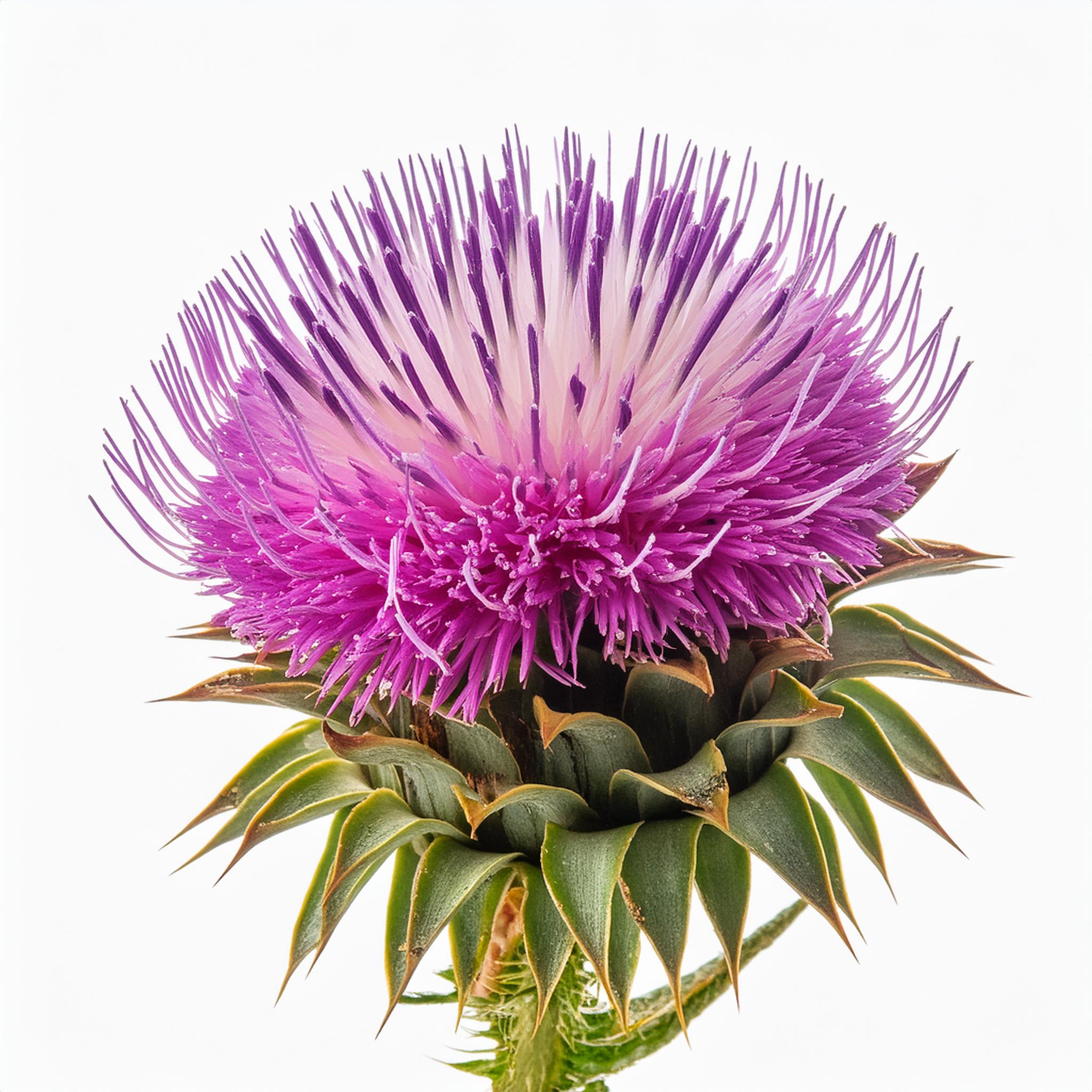
Milk thistle, Silybum marianum, is a tall annual or biennial thistle from the Mediterranean region that can grow to 1.5 metres or more. Its large, glossy leaves are marked with white veins, said in folklore to be drops of milk, and it bears purple flower heads surrounded by sharp spines. The seed is grown commercially in countries including Hungary, Poland and Germany.
Milk thistle seed oil is golden yellow with a mild, nutty scent. It is rich in linoleic acid, usually around half of the fatty acids, with oleic acid making up much of the rest, and it naturally contains vitamin E. It feels light and absorbs quickly, making it a good base for face oils, serums and light body oils.
Sourcing & extraction
How milk thistle seed oil is sourced and extracted
Why it is rare
The seeds hold relatively little oil, around 20 to 30 percent, and most of the crop goes to extract makers rather than oil presses. Cold-pressed oil is produced in comparatively small volumes as a result.
How it is gathered
Milk thistle is sown in spring as a field crop, and the flower heads ripen unevenly through late summer. Farmers typically harvest with combines once most heads have dried, then clean and dry the seed. The seed is sold to processors, and some of it goes to small oil mills that cold-press it. The pressed seed cake is often passed on for further use.
How it is made
Cold-pressed from the seed
- Dried flower heads are harvested in late summer, and the small seeds are threshed out and cleaned.
- The seeds are dried to a steady moisture level so they press evenly and the oil keeps well.
- The seeds are fed through a screw press at low temperature, squeezing the oil out of the hard seed coat.
- The oil is left to settle and then filtered to remove fine seed particles.
How to use milk thistle seed oil
- Start with a few drops and warm them between your palms.
- Massage into clean skin, or work through the lengths of damp or dry hair.
- Use on its own, or add a few drops to your moisturizer or conditioner.
For external use only. Patch test on a small area before first use and stop if irritation occurs. If you are pregnant, nursing or have a medical condition, ask a healthcare professional before use.
From ingredient to routine
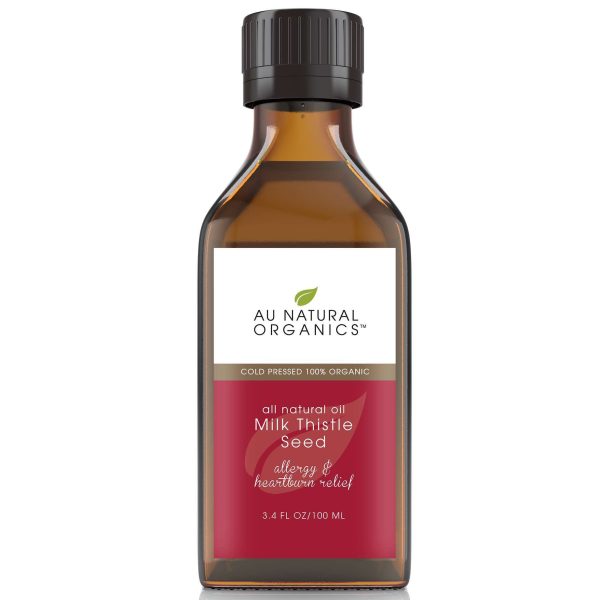
Products with Milk Thistle Seed
Find this ingredient in our collection.
Questions about Milk Thistle Seed
Where does Milk Thistle Seed come from?
Milk thistle is sown in spring as a field crop, and the flower heads ripen unevenly through late summer. Farmers typically harvest with combines once most heads have dried, then clean and dry the seed. The seed is sold to processors, and some of it goes to small oil mills that cold-press it. The pressed seed cake is often passed on for further use.
How is Milk Thistle Seed extracted?
Cold-pressed from the seed. Dried flower heads are harvested in late summer, and the small seeds are threshed out and cleaned. The seeds are dried to a steady moisture level so they press evenly and the oil keeps well. The seeds are fed through a screw press at low temperature, squeezing the oil out of the hard seed coat. The oil is left to settle and then filtered to remove fine seed particles.
Why is Milk Thistle Seed considered rare?
The seeds hold relatively little oil, around 20 to 30 percent, and most of the crop goes to extract makers rather than oil presses. Cold-pressed oil is produced in comparatively small volumes as a result.