The Ingredient Library
African Wormwood
Artemisia afra
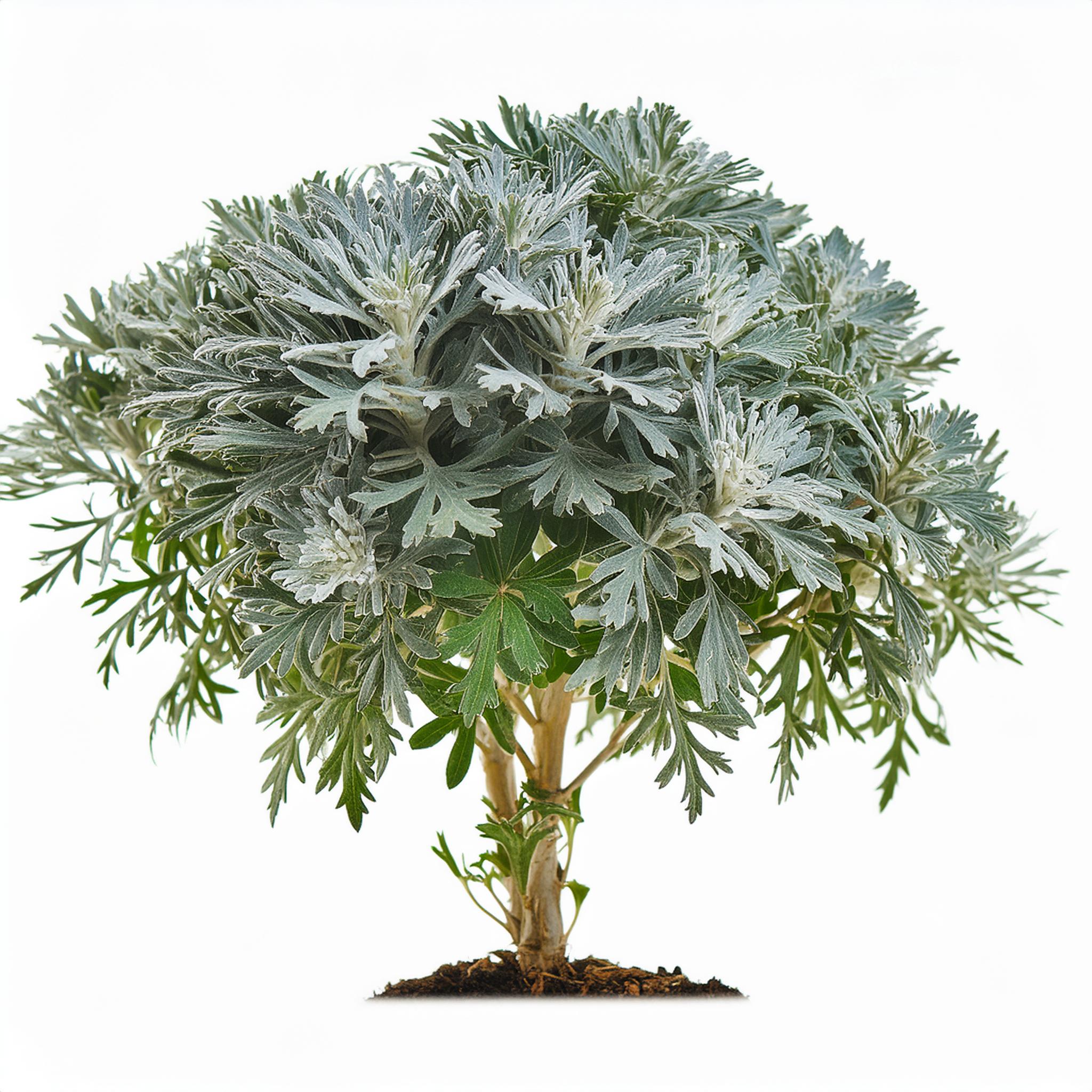
African wormwood essential oil is steam distilled from the grey, feathery leaves of Artemisia afra, a wild shrub of the South African highlands, and smells sharply of camphor and sage.
Get to know African Wormwood
- Source
- Leaves and stems
- Origin
- Southern Africa
- Extraction
- Steam distilled
- Aroma
- Camphoraceous, herbal
What it is
African Wormwood is an aromatic essential oil distilled from the plant.
Why it belongs in your routine
Camphor-sharp essential oil distilled from a wild shrub of southern Africa.
How to use
Always dilute in a carrier oil before it touches skin. Never use undiluted. Patch test first.
Where African Wormwood comes from
African wormwood, known in Afrikaans as wilde als and in isiZulu as umhlonyane, is a multi-stemmed shrub that grows up to two metres tall across the grasslands, mountain slopes and stream banks of southern Africa, from the Cape to Lesotho and north into East Africa. Its finely divided, fern-like leaves are dark green on top and covered in white hairs underneath, giving the bush a soft grey look. It flowers from March to May with tiny creamy yellow heads.
The essential oil is pale yellow to greenish, with a strong, fresh, camphor and eucalyptus-like smell and a bitter herbal edge. Its composition varies with location, but 1,8-cineole, camphor and alpha- and beta-thujone are usually the main components. Because of the thujone content it is used in very small amounts, mostly in natural perfume blends, room sprays and diffuser blends.
Sourcing & extraction
How African Wormwood is sourced and extracted
Why it is rare
African wormwood essential oil is made in small batches by a handful of South African distillers, much of it from wild stands. The oil yield from the fresh plant is low, usually well under one percent, and the chemistry shifts noticeably from one region to the next.
How it is gathered
In most cases the leafy tops are cut by hand from wild or lightly managed stands in the Eastern Cape, Free State and neighbouring areas of South Africa and Lesotho. Cutting usually happens through the warm growing season, before or during flowering in late summer, when the leaves are most aromatic. The branches are bundled and taken quickly to a nearby farm still, often the same day, so the aromatic compounds are not lost to drying and heat.
How it is made
Steam distilled from leaves and stems
- Freshly cut branches are loosely packed into the still so steam can pass evenly through the leaves.
- Steam is pushed up through the plant material, carrying the volatile aromatic compounds with it.
- The vapour passes through a cooled condenser and turns back into a mixture of water and essential oil.
- In the separator the oil floats on the water and is drawn off, then left to settle and filtered.
How to use African Wormwood
- Add a few drops to a diffuser for its aroma.
- For skin, dilute 1 to 2 drops in a teaspoon of carrier oil before applying.
- Keep away from eyes and never use undiluted on skin.
For external use only. Patch test on a small area before first use and stop if irritation occurs. If you are pregnant, nursing or have a medical condition, ask a healthcare professional before use.
From ingredient to routine
Products with African Wormwood
Find this ingredient in our collection.

Questions about African Wormwood
Where does African Wormwood come from?
In most cases the leafy tops are cut by hand from wild or lightly managed stands in the Eastern Cape, Free State and neighbouring areas of South Africa and Lesotho. Cutting usually happens through the warm growing season, before or during flowering in late summer, when the leaves are most aromatic. The branches are bundled and taken quickly to a nearby farm still, often the same day, so the aromatic compounds are not lost to drying and heat.
How is African Wormwood extracted?
Steam distilled from leaves and stems. Freshly cut branches are loosely packed into the still so steam can pass evenly through the leaves. Steam is pushed up through the plant material, carrying the volatile aromatic compounds with it. The vapour passes through a cooled condenser and turns back into a mixture of water and essential oil. In the separator the oil floats on the water and is drawn off, then left to settle and filtered.
Why is African Wormwood considered rare?
African wormwood essential oil is made in small batches by a handful of South African distillers, much of it from wild stands. The oil yield from the fresh plant is low, usually well under one percent, and the chemistry shifts noticeably from one region to the next.