The Ingredient Library
Leleshwa
Tarchonanthus camphoratus
Leleshwa essential oil is distilled from the silvery leaves of the wild camphor bush, a hardy shrub of Kenya's dry bushland whose crushed foliage gives off a strong camphor scent.
Get to know Leleshwa
- Source
- Leaf
- Origin
- Kenya
- Extraction
- Steam-distilled
- Aroma
- Camphoraceous, herbal
What it is
Leleshwa is an aromatic essential oil distilled from the plant.
Why it belongs in your routine
Wild Kenyan camphor bush oil with a clean, camphor-herbal scent.
How to use
Always dilute in a carrier oil before it touches skin. Never use undiluted. Patch test first.
Where Leleshwa comes from
Leleshwa is the Maa name for Tarchonanthus camphoratus, the camphor bush, a shrub or small tree in the daisy family that reaches up to 6 metres. It grows across Africa south of the Sahel and in Yemen, and forms dense leleshwa scrub in parts of Kenya's Rift Valley. The leaves are dark olive-green on top and covered in white felt underneath, and they release a camphor smell when crushed.
Leleshwa essential oil is pale and mobile, with a clean, camphoraceous opening and a softer, sweet herbal background, often compared to a mix of sage and camphor. The Maasai have long used the leaves to scent their homes and themselves. In aromatic care it goes into diffuser blends, balms and soaps, and pairs well with lavender, eucalyptus and cedarwood.
Sourcing & extraction
How Leleshwa is sourced and extracted
Why it is rare
Leleshwa is not cultivated. The oil comes from leaves gathered on wild shrubs, and only a handful of small distillers in Kenya produce it, so supply is limited and varies from season to season.
How it is gathered
The leaves are typically hand-gathered from wild camphor bush in Kenya's semi-arid bushland, where the shrub is common and often cut for firewood and charcoal. Collectors strip leafy twigs rather than felling the plant, and the material is carried to small local stills, usually within the same region so the leaves can be distilled while still aromatic. Output depends on rainfall and on how much leaf can be gathered in a season.
How it is made
Steam-distilled from wild leaves
- Leafy twigs are hand-cut from wild camphor bush and bundled for transport to a nearby still.
- The leaves are separated from heavier woody stems and loaded into the distillation chamber.
- Steam is passed through the leaves, carrying the aromatic camphor-rich compounds out as vapour.
- The vapour is cooled back into liquid and the essential oil is decanted from the surface of the water.
How to use Leleshwa
- Add a few drops to a diffuser for its aroma.
- For skin, dilute 1 to 2 drops in a teaspoon of carrier oil before applying.
- Keep away from eyes and never use undiluted on skin.
For external use only. Patch test on a small area before first use and stop if irritation occurs. If you are pregnant, nursing or have a medical condition, ask a healthcare professional before use.
From ingredient to routine
Products with Leleshwa
Find this ingredient in our collection.
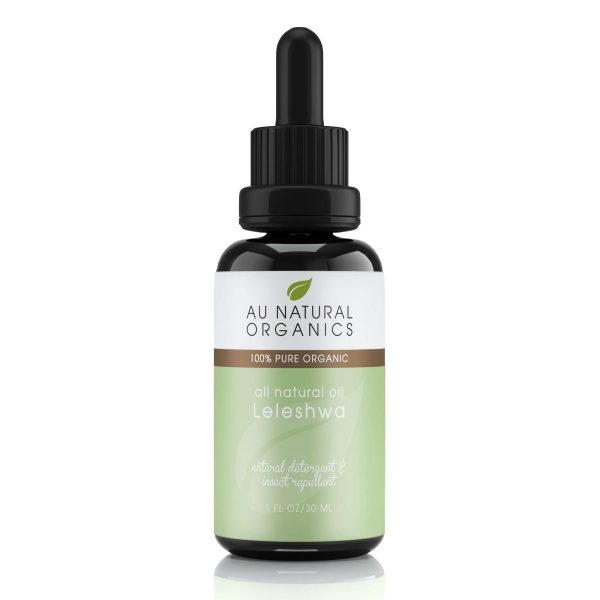
Questions about Leleshwa
Where does Leleshwa come from?
The leaves are typically hand-gathered from wild camphor bush in Kenya's semi-arid bushland, where the shrub is common and often cut for firewood and charcoal. Collectors strip leafy twigs rather than felling the plant, and the material is carried to small local stills, usually within the same region so the leaves can be distilled while still aromatic. Output depends on rainfall and on how much leaf can be gathered in a season.
How is Leleshwa extracted?
Steam-distilled from wild leaves. Leafy twigs are hand-cut from wild camphor bush and bundled for transport to a nearby still. The leaves are separated from heavier woody stems and loaded into the distillation chamber. Steam is passed through the leaves, carrying the aromatic camphor-rich compounds out as vapour. The vapour is cooled back into liquid and the essential oil is decanted from the surface of the water.
Why is Leleshwa considered rare?
Leleshwa is not cultivated. The oil comes from leaves gathered on wild shrubs, and only a handful of small distillers in Kenya produce it, so supply is limited and varies from season to season.