

The deep, smoky aroma of authentic Batana oil isn’t a defect. It’s the signature of purity. If your current bottle smells like a generic floral perfume or flows like a thin, refined vegetable oil, you’ve likely purchased a counterfeit. You want the legendary batana oil for skin benefits that come from traditional Honduran extraction, but the market is currently flooded with diluted imitations and synthetic additives. It’s exhausting to sift through conflicting reviews while fearing the skin irritation caused by hidden fillers. We understand this frustration. Integrity matters.
This professional purity guide provides the precise sensory markers and sourcing secrets used by experts to distinguish raw, unrefined Batana from cheap alternatives. You’ll learn to identify the specific carotenoid pigments and thick, paste-like consistency that define the true Elaeis oleifera extract. We’ll examine the traditional hand-processing methods of the Miskito people to ensure your purchase supports ethical sourcing. By the end of this article, you’ll have the confidence to secure a product that delivers maximum results without compromise. True quality requires no shortcuts. We’re here to show you exactly what to look for.
Key Takeaways
- Identify the aromatic signature of authentic Batana, which must possess a distinct scent of roasted nuts, coffee, or tobacco rather than floral perfumes.
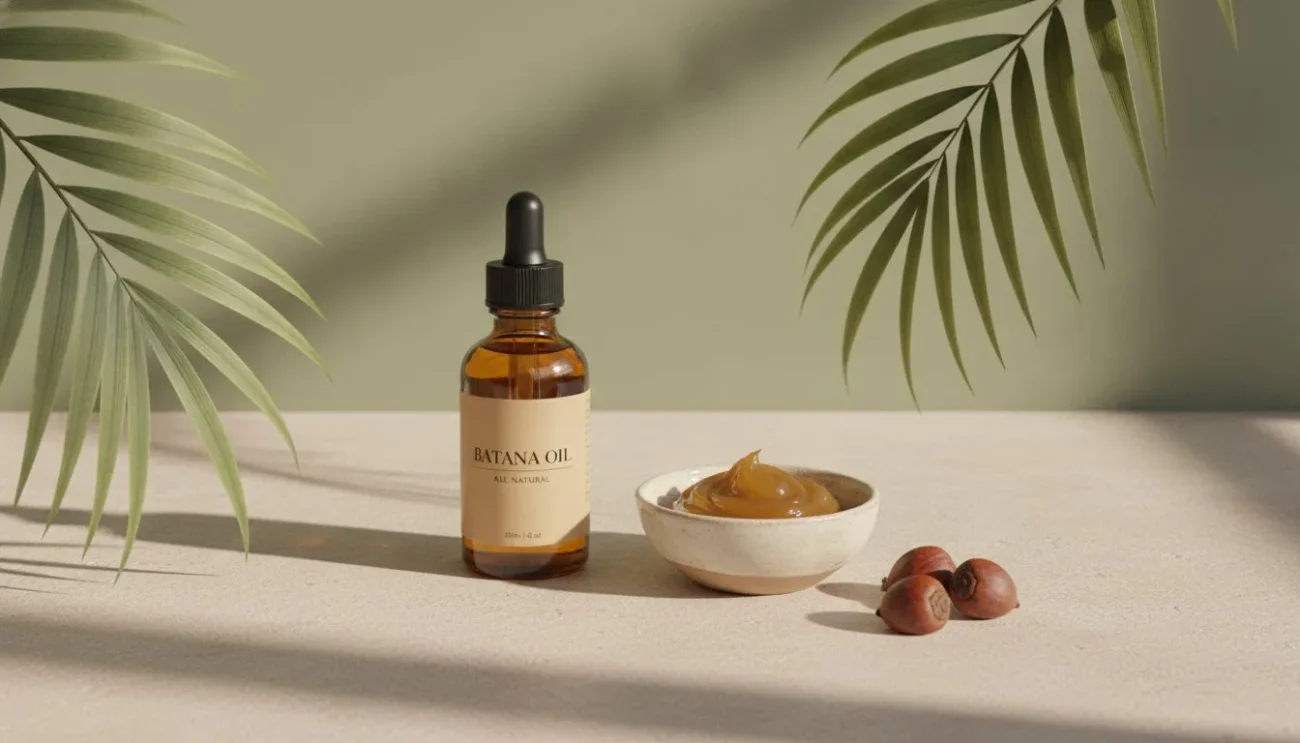
- Recognize the visual and tactile markers of raw paste, specifically the deep burnt-orange hue and solid consistency that signifies high nutrient density.
- Understand the “liquid at room temperature” red flag to avoid diluted or refined products that compromise the potent batana oil for skin benefits you expect.
- Verify the botanical origin of the Elaeis oleifera nut and ensure the oil is traditionally hand-processed in Honduras to guarantee professional-grade purity.
- Master the art of label scrutiny to reject additives like mineral oil, synthetic fragrances, or palmitate that undermine botanical integrity.
Integrity. Purity. Results: Why Authentic Batana Matters
Authentic Batana oil is not a modern laboratory invention. It is a botanical legacy. This rare extract is derived from the nut of Elaeis oleifera, the American oil palm, a species that thrives in the wild, tropical rainforests of Central and South America. While the beauty industry often markets it as “Liquid Gold,” this popularity has invited a surge of opportunistic sellers. The market is now saturated with industrial-grade imitations that lack the nutrient profile required to deliver genuine results. We believe in transparency. If a product is refined, bleached, or deodorized, it has lost the soul of the plant.
Purity is the only path to performance. To achieve the full range of batana oil for skin benefits, the oil must remain in its unrefined, raw state. This ensures the retention of essential fatty acids and tocotrienols that facilitate deep barrier repair and environmental protection. Refined oils may appear more aesthetically pleasing on a retail shelf, but they are stripped of the very bioactives that heal damaged tissues. Our stance is uncompromising; if it isn’t raw, it isn’t effective. We provide a benchmark for quality that refuses to settle for “good enough.”
The Cost of Counterfeits
Fake oils are a liability to your wellness. When manufacturers “cut” Batana with mineral oil or synthetic fragrances, the results are often detrimental rather than restorative. Instead of soothing the skin, these additives can trigger scalp inflammation and clog pores. You’re paying for botanical potential but receiving a chemical cocktail that lacks integrity. The loss of essential fatty acids in these refined versions means your skin never receives the hydration it needs. Cheap Batana oil is a waste of money and a waste of your skin’s potential. Quality has a cost, but the cost of a counterfeit is much higher.
Sourcing as a Standard
True Batana is defined by its origin. There is a fundamental difference between industrial palm oil and the wild-harvested batches traditionally extracted by the Miskito people of Honduras. Their method involves a traditional roast of the nuts, which preserves the deep carotenoid pigments that give the oil its signature burnt-orange hue and smoky aroma. This process is slow, labor-intensive, and vital for nutrient retention. For a deeper understanding of these standards, consult our guide on Authentic Batana Oil: The Professional Guide to Sourcing and Purity. We maintain direct relationships with producers to ensure every jar meets our professional criteria. This is how we guarantee the batana oil for skin benefits that our clients expect and deserve.
The Sensory Audit: Identifying Real Batana by Scent and Texture
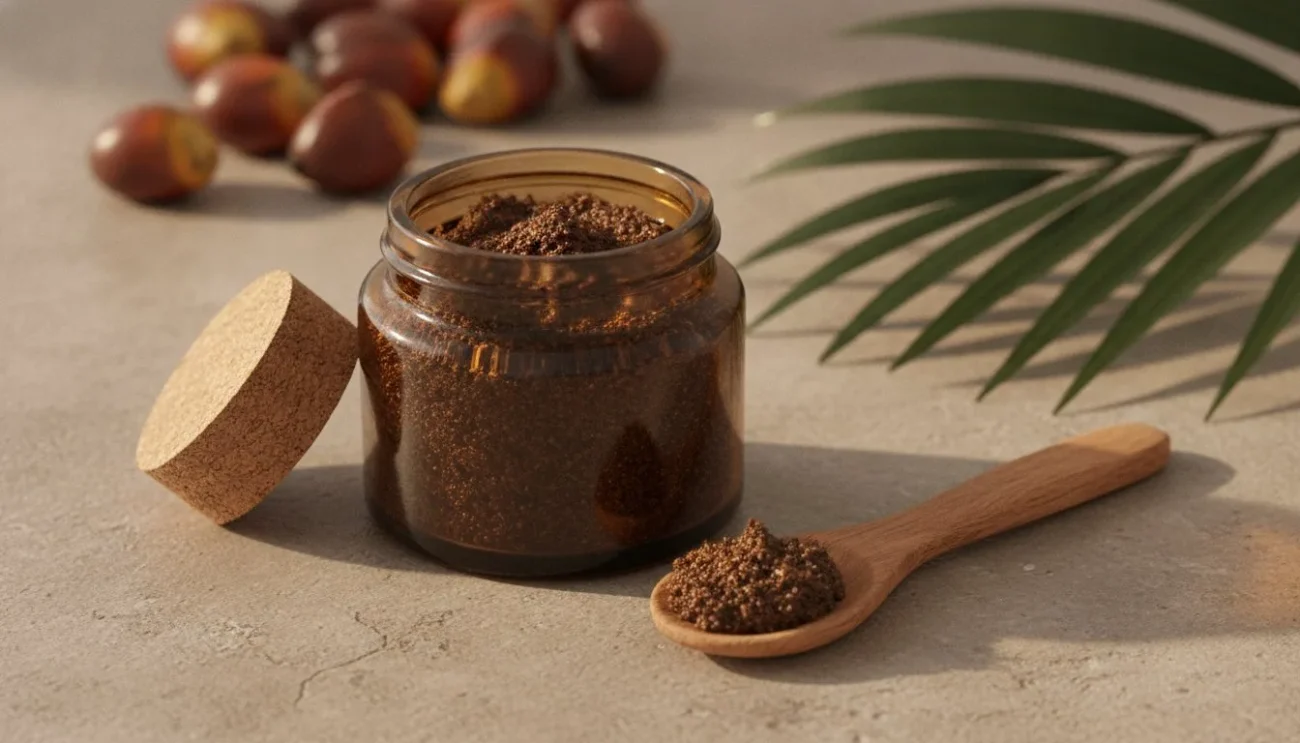
Distinguishing real Batana is an exercise in sensory discipline. It isn’t a mystery. It’s biological fact. Authentic Batana oil is a raw, nutrient-dense paste rather than a thin, filtered liquid. Its visual profile is unmistakable. You should see a color range from a deep, burnt orange to a rich, earthy brown. This intense pigmentation is a direct result of high carotenoid levels. If the oil appears pale, yellow, or translucent, the vital batana oil for skin benefits have been lost to industrial refining. True quality is visible to the naked eye.
The ‘Smell Test’ Protocol
The scent is your most reliable safeguard against counterfeits. During traditional Honduran extraction, the nuts are roasted over an open fire. This imparts a powerful, smoky aromatic profile to the oil. You should immediately identify notes of roasted coffee, dark tobacco, or charred nuts. The complex fatty acid profiles of E. oleifera ensure these aromatic compounds remain stable within the raw fat. A tobacco-coffee aroma is the primary marker of raw processing. Avoid any product that presents a floral, perfume-like, or completely odorless profile. Odorless Batana is a sign of chemical deodorization. It’s a hollow extract stripped of its therapeutic potential.
Texture and Thermal Reaction
Texture reveals the truth of the processing. Raw Batana paste often has a slight, natural grit. This “grainy” truth is a signature of manual extraction. It hasn’t been over-processed to suit modern aesthetic preferences. When you apply the paste to your skin, it should melt instantly. It reacts to your body heat, transforming from a solid into a dark, clear liquid. This transition is a hallmark of unadulterated botanical lipids. Be cautious of “waxy” fakes. Petroleum-based fillers like mineral oil or paraffin behave differently. They feel heavy and “plastic” on the skin. They don’t melt away; they sit on the surface. They suffocate the skin rather than nourishing it.
Real Batana is exceptionally bioavailable. It penetrates the dermis without leaving a suffocating, greasy film. If your product feels like it’s coating your skin in plastic, it isn’t pure. Authentic oil provides a deep, resonant glow that signals effective barrier repair. We believe in maintaining this raw integrity. For those seeking the benchmark of quality, our Authentic Batana Oil offers the unrefined consistency necessary for real results. Purity isn’t a marketing claim. It’s a sensory reality. Trust your senses. They’re rarely wrong when it comes to botanical integrity.
Forensic Comparison: Raw Paste vs. Adulterated Oils
A liquid consistency at room temperature is the first definitive red flag. Pure, unrefined Batana is a soft solid, similar to the texture of cold coconut oil or a dense butter. If the product in your hands is a thin, runny liquid while stored at a standard room temperature of 70°F to 75°F, it’s not pure. This fluidity indicates the oil has been either heavily refined or “cut” with cheaper carrier oils like sunflower, soy, or palm olein. These adulterants dilute the bioactive compounds, directly compromising the batana oil for skin benefits you’re seeking. Integrity cannot be found in a diluted bottle.
Ingredient label scrutiny is your next line of defense. A professional-grade extract should list only one ingredient: Elaeis oleifera kernel oil. Reject any product that includes “Fragrance,” “Mineral Oil,” or “Isopropyl Palmitate.” These additives are used by manufacturers to mask the scent of low-quality batches or to artificially mimic a smooth texture. Synthetic fragrances, in particular, are common triggers for contact dermatitis and have no place in a therapeutic botanical protocol. We advocate for a zero-additive standard. If the label is cluttered, the product is compromised.
The Kitchen Purity Test
You don’t need a laboratory to verify botanical integrity. The Refrigerator Test is a reliable method for detecting hidden fillers. Place a small sample of your oil in the refrigerator for thirty minutes. Pure Batana will harden into a uniform, dense mass because its fatty acid profile consists of stable saturated and monounsaturated fats. Adulterated oils will often show “marbling” or remain partially liquid as the different oils separate at varying temperatures. This lack of uniformity is proof of a blended product.
The Paper Stain Test offers a visual confirmation of nutrient density. Apply a small amount of the oil to white parchment paper and observe the residue. Authentic Batana leaves a distinct orange-brown tint due to high Vitamin A content. If the resulting stain is clear or a pale, watery yellow, the oil lacks the necessary carotenoid concentration. This pigment is the biological marker of a raw, nutrient-dense extract that hasn’t been stripped by industrial processing.
Refined vs. Unrefined
The rise of “white” or bleached Batana oil is a trend rooted in misinformation. Bleached oil is effectively dead oil. To achieve a white color or an odorless profile, manufacturers subject the raw paste to high-heat refining and chemical clay filtration. This process destroys the tocopherols and phytosterols essential for delivering the full spectrum of batana oil for skin benefits. While batch-to-batch color variation is a natural result of seasonal harvest cycles, the oil should always retain its characteristic amber-to-brown depth. Natural variation is a sign of life. Uniformity in color and scent is often a sign of industrial interference. We prioritize results over shelf-appeal. You should do the same.

The Honduran Connection: Verifying Origin and Extraction
Extraction methods define the final therapeutic value. You should look for terms like “traditional roast” or “cold-pressed” on the label. The traditional Miskito method involves a careful roasting process that releases the oil while preserving the high concentration of tocotrienols. This isn’t just about heritage. It’s about chemistry. Industrial extraction often relies on chemical solvents like hexane to increase yield, which strips the oil of its natural healing properties. Verify the process. If it’s mass-produced, it’s likely compromised.
Elaeis Oleifera vs. Guineensis
The “African Palm Trap” is a frequent industry deception. Many distributors mislabel industrial palm oil, derived from Elaeis guineensis, as authentic Batana. This is a significant error. Industrial palm oil is a commodity product intended for food processing and lacks the unique carotenoid density of the American Palm. When reviewing professional-grade skincare, check the INCI nomenclature. It must explicitly state Elaeis oleifera. The American Palm is nutritionally superior for skin health because its fatty acid balance is specifically suited for human dermal absorption. Don’t settle for a generic substitute when your skin requires specialized botanical support.
Ethical Sourcing Standards
Supporting the indigenous Miskito communities is a moral and professional obligation. Authentic Batana is wild-harvested, a process that provides vital economic stability to the protectors of the rainforest. Be wary of “Mass Balance” certificates. In the industrial palm trade, these certificates often allow companies to mix small amounts of sustainable oil with large volumes of conventional, diluted batches. This practice hides the truth of the oil’s origin. We believe in a direct, traceable path from the forest to the bottle. To understand how this raw integrity compares to other botanical fats, you can explore our Beyond Hydration: The Authoritative Guide to Botanical Body Butters.
True Batana is a partnership between nature and tradition. When you choose a product that respects both, you ensure the longevity of the rainforest and the health of your skin. For those ready to experience the difference of a truly transparent source, we invite you to browse our collection of Authentic Batana Oil. Purity is a choice. Make the one that yields results.
Securing Botanical Integrity: The Au Natural Organics Standard
Quality is a choice. Our “Master of the Craft” approach dictates that every batch of Batana remains small-batch, raw, and entirely unrefined. We don’t outsource our integrity to third-party processors who prioritize volume over botanical density. By maintaining direct, unmediated relationships with Honduran producers, we bridge the gap between traditional Miskito craftsmanship and modern wellness needs. Professionals trust our batana oil for skin benefits because they understand that therapeutic efficacy is directly linked to the preservation of the plant’s original lipid structure. We don’t compromise on the raw state of our extracts.
The Unfiltered Truth
We refuse to use refined oils for the sake of a more “marketable” scent or a lighter consistency. Refining is a destructive process that utilizes high heat to remove the very carotenoids and tocotrienols that make Batana valuable. Our oil is dark, smoky, and potent. We prioritize direct-from-source logistics to ensure that the time between extraction and bottling is minimized. This speed preserves the freshness of the fatty acids and prevents premature rancidity. Our customers consistently report results that refined oils simply cannot match, from the repair of chronic dryness to the visible improvement of skin texture. Authenticity produces measurable change.
Our zero-synthetic fragrance policy is a cornerstone of our professional integrity. Many brands add perfumes to mask the natural, earthy aroma of the American oil palm, but these additives often lead to skin irritation and inflammation. We believe the natural scent of the oil is a badge of its purity. If you can’t smell the smoke of the traditional roast, you aren’t using the real thing. We stand by the raw sensory profile of our oil because we know it delivers the highest concentration of bioactives available in the botanical market.
How to Order Authenticity
We offer both retail jars for individual use and bulk wholesale options for professional formulators who require consistent botanical integrity. Our commitment to quality extends to the final packaging. We utilize air-tight, UV-protective containers to shield the oil from light-induced degradation. This prevents the oxidation of sensitive lipids and ensures the batana oil for skin benefits remain fully active until the final application. We don’t just sell oil; we guard a legacy of botanical performance. Every jar is a testament to our refusal to settle for industrial shortcuts.
For those ready to move beyond the frustration of diluted products and experience the true potential of this ancient extract, the path is clear. You deserve a product that respects its origin and your health. Experience the uncompromised power of Raw Honduran Batana Oil and see what professional-grade purity can do for your skin. The results speak for themselves. We provide the standard; you enjoy the radiance.
Master the Craft of Botanical Purity
Integrity is the only foundation for effective wellness. You now possess the forensic tools to distinguish between industrial waste and true botanical power. Remember that authentic Batana is a sensory experience defined by its smoky aroma and raw, paste-like consistency. By verifying the Honduran origin and rejecting anything refined or deodorized, you ensure your regimen delivers the maximum batana oil for skin benefits. True quality doesn’t hide behind floral perfumes or mineral oil fillers. It remains unrefined, potent, and grounded in tradition.
Our commitment to these standards is absolute. Every jar we offer is hand-processed by Miskito artisans and remains 100% raw and unrefined. We maintain a strict policy against synthetic fragrances and mineral oils to ensure nothing interferes with the oil’s therapeutic profile. Don’t settle for diluted imitations that compromise your results. It’s time to invest in a product that respects its source and your skin. Secure Your Supply of Authentic Raw Batana Oil today. Your journey toward uncompromised radiance begins with a single, informed choice.
Frequently Asked Questions
Is real Batana oil supposed to smell like smoke?
Yes, a smoky, roasted aroma is the definitive signature of authentic Batana oil. This scent originates from the traditional Miskito extraction process, where the nuts are roasted over an open fire before the oil is pressed. If your oil smells floral or like a generic perfume, it’s been adulterated or refined. Pure oil should remind you of coffee, tobacco, or dark chocolate. This aromatic profile confirms the retention of essential bioactives.
Can I use Batana oil on my face if I have sensitive skin?
You can certainly apply Batana oil to your face, as it’s a potent source of skin-nourishing lipids. The high concentration of vitamin E and carotenoids provides significant batana oil for skin benefits, including barrier repair and environmental protection. However, because it’s a rich, unrefined paste, we recommend a patch test on a small area first. Individuals with extremely sensitive skin should monitor for reactions to the natural smoky phenols present in raw batches.
Why is my Batana oil hard like a paste instead of a liquid?
Authentic Batana oil is naturally a soft solid or thick paste at room temperature. This consistency is due to its high concentration of saturated and monounsaturated fatty acids, which solidify below 77°F. It’s not a thin liquid. The paste will melt instantly upon contact with your skin’s warmth. If your oil remains a runny liquid in a cool environment, it’s likely been diluted with cheaper, polyunsaturated carrier oils.
How can I tell if Batana oil has been diluted with coconut oil?
Dilution with coconut oil typically alters the characteristic smoky scent and deep orange color of the raw paste. Coconut oil possesses a distinct, sweet aroma and remains white or clear when solid. If your Batana oil appears pale or has a “marbled” white texture in the jar, it’s likely a blend. Pure Batana maintains a uniform, dark amber or brown hue. Professional-grade purity requires a consistent, unadulterated lipid profile.
Does authentic Batana oil expire or go rancid?
Authentic Batana oil has a shelf life of approximately twelve to eighteen months when stored correctly. Because it’s a raw, unrefined fat, it can eventually go rancid if exposed to excessive heat, light, or oxygen. To preserve the batana oil for skin benefits, keep your jar in a cool, dark place and ensure the lid is sealed tightly. A sharp, sour, or overly metallic smell indicates the oil has oxidized.
What is the difference between Batana oil and palm oil?
The primary difference lies in the botanical species and the extraction method. Authentic Batana comes from Elaeis oleifera, the American oil palm; common palm oil is derived from Elaeis guineensis, the African palm. Industrial palm oil is mass-produced and refined for food use. Batana is wild-harvested and traditionally hand-processed to maintain its high carotenoid and tocotrienol content. These species are not interchangeable in professional skincare.
Is the orange tint in Batana oil permanent on skin?
The orange tint is temporary and will dissipate as the oil is absorbed into the dermis. This vibrant color is caused by high levels of carotenoids, which are precursors to vitamin A. While the oil may leave a slight hue upon initial application, thorough massaging ensures it penetrates the skin without staining permanently. We suggest allowing the oil to absorb fully before coming into contact with light-colored fabrics or linens.
Why is Honduran Batana oil more expensive than other brands?
The higher cost reflects the labor-intensive, ethical sourcing required to produce raw, unrefined Batana. We maintain direct relationships with Miskito producers in Honduras, ensuring they receive fair compensation for their traditional hand-processing techniques. Industrial, “cheap” alternatives are often mass-extracted with solvents or diluted with commodity oils. You’re paying for botanical integrity, traceability, and the assurance that the oil is 100% pure and uncompromised.
Leave a comment
You must be logged in to post a comment.