
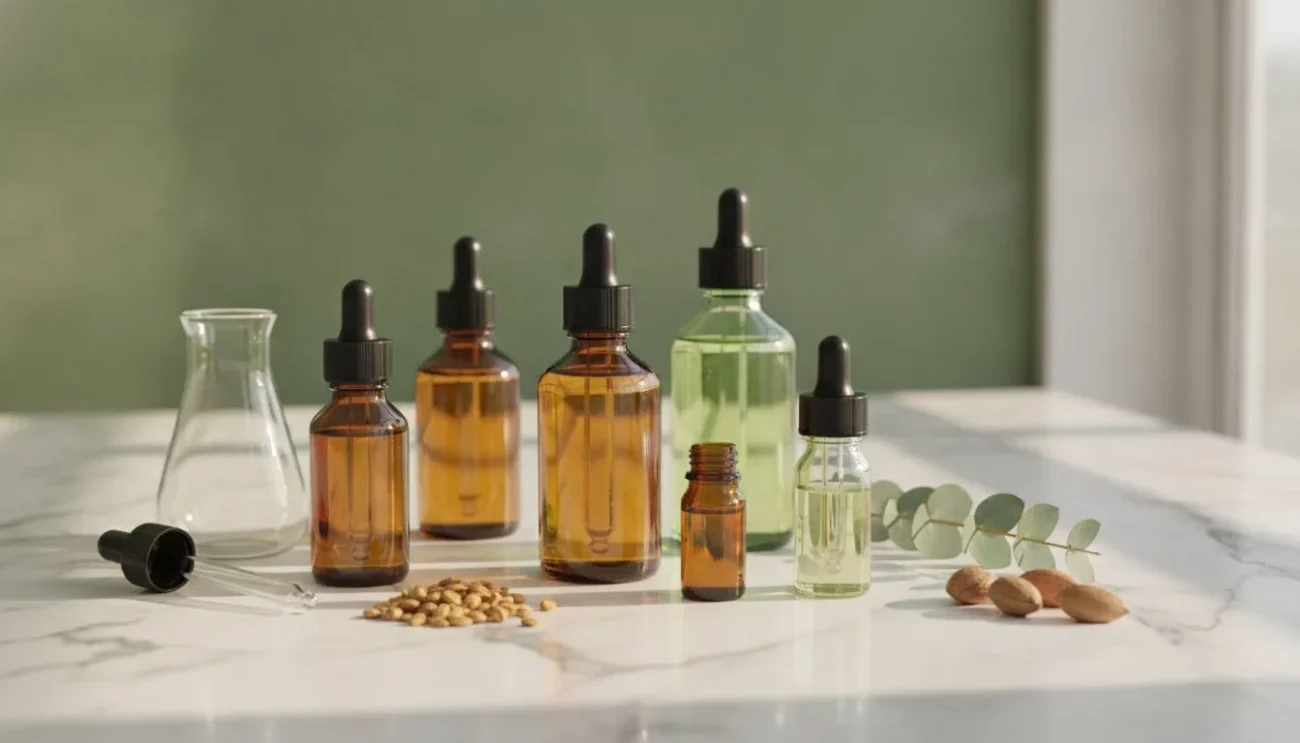
What if the very substance you avoid for fear of a heavy residue is actually the biological key to balancing your skin’s natural sebum? It’s a common frustration. You’ve likely felt the sting of synthetic fragrances or the disappointment of a “pure” oil that caused a breakout. Finding the best carrier oil for skin shouldn’t be a gamble based on marketing fluff. Purity is a standard. It’s an uncompromising commitment to extraction integrity and ethical sourcing.
We understand that confusion over comedogenicity and the fear of “greasy” textures often prevent people from experiencing true botanical healing. This guide provides a definitive ranking of carrier oils tailored to your skin’s unique biological needs. We prioritize raw, unrefined quality over industrial convenience. You’ll gain a clear understanding of which botanical profile matches your specific skin type and learn practical techniques for blending. From the stable wax esters of jojoba to the rare nutrient density of batana oil, we explore the foundations of professional-grade skincare. Our focus remains on substance and long-term reliability. We provide the clarity you need to build a routine rooted in nature and backed by professional expertise.
Key Takeaways
- Recognize why raw, unrefined processing is the non-negotiable standard for preserving the therapeutic potency and botanical integrity of your skincare foundations.
- Identify the best carrier oil for skin based on your specific dermatological profile, whether you require sebum regulation, deep hydration, or cellular repair.
- Master the science of comedogenic ratings to select lipid-rich oils that align with your pore structure and eliminate the fear of greasy residue.
- Learn professional dilution ratios and synergistic blending techniques to combine botanical bases with essential oils and hydrosols for maximum efficacy.
- Discover the critical role of ethical sourcing and why traditional, small-batch extracts like Batana oil provide superior results for holistic skin health.
The Foundation of Botanical Skincare: What Defines the Best Carrier Oil?
A Carrier oil is far more than a simple diluent for essential oils. It is a complex, lipid-rich foundation that provides the essential structural building blocks for healthy skin. To find the best carrier oil for skin, you must look beyond the surface level of “unscented” or “neutral” bases. We view these oils as primary actives in their own right. They deliver essential fatty acids (EFAs) and antioxidants that support cellular health while reinforcing the skin’s natural barrier. Quality is absolute.
Compromise is not an option. Raw and unrefined oils are the non-negotiable standard for professional-grade skincare because they preserve the botanical’s living essence. Industrial refining processes often involve high heat or chemical solvents. These aggressive methods strip away the very nutrients that make the oil valuable. A truly superior oil retains its natural color, scent, and complex vitamin profile. It respects the skin’s natural acid mantle. This thin, slightly acidic film on the skin’s surface acts as the primary defense against environmental pathogens. When you apply a chemically altered oil, you risk disrupting this delicate pH balance. High-quality lipids reinforce this barrier instead of stripping it.
Active Lipids vs. Neutral Bases
Cheap, highly refined oils are essentially dead. They lack the enzymatic activity and nutrient density required for genuine repair. Bio-active lipids are plant-derived fats that mimic the skin’s own intercellular lipids to restore barrier function and prevent transepidermal water loss. These professional-grade extracts provide vitamins A, C, and E directly to the dermis. They don’t just sit on top. They integrate. This level of purity ensures that your skin receives the full spectrum of botanical benefits without the interference of synthetic additives or pesticide residues.
The Science of Absorption Rates
Molecular weight dictates performance. It determines how deep an oil penetrates and how it feels on the skin. We categorize these by their drying and non-drying properties based on their fatty acid ratios. Understanding these categories is essential for selecting the best carrier oil for skin based on your unique biology.
- Drying oils: These possess a high linoleic acid content. They absorb rapidly, leaving a matte finish that suits oily or acne-prone skin.
- Non-drying oils: These are rich in oleic acid. They remain on the surface longer to provide a robust, occlusive barrier for dry or mature skin.
Skin affinity is the final metric. It explains why certain botanical extracts seem to “disappear” into the tissue while others remain as a protective film. Understanding this science allows for a deliberate approach to skincare rather than a trial-and-error process. Your choice should always align with your skin’s current physiological state and environmental exposure.
A Professional Roundup: The Best Carrier Oils for Every Skin Profile
Selection requires precision. The best carrier oil for skin depends on your unique physiological needs and environmental exposure. We demand cold-pressed extraction for every oil featured in this roundup. This mechanical method avoids the high heat that degrades delicate fatty acids and preserves the botanical’s therapeutic potency. For those seeking a comprehensive guide to carrier oils, understanding these specific profiles is the first step toward achieving professional-grade results.
Oils for Sebum Regulation and Acne-Prone Skin
Control is the objective. Oily skin often stems from an imbalance in the skin’s lipid layer, which can be corrected through the targeted application of high-linoleic oils that help thin out thickened sebum.
- Jojoba Oil: Best For: Balancing All Skin Types. Jojoba isn’t technically an oil. It’s a liquid wax ester that mirrors human sebum. This unique structure allows it to trick the skin into producing less oil, effectively regulating overactive glands without clogging pores.
- Grapeseed Oil: Best For: Oily and Large-Pored Skin. This lightweight astringent contains high levels of linoleic acid. It absorbs rapidly and helps maintain pore clarity, making it a staple for those with a shiny T-zone.
- Hemp Seed Oil: Best For: Redness and Inflammation. Hemp seed oil acts as a calming balancer. It reduces visible irritation and provides essential fatty acids without the risk of comedogenic congestion.
Oils for Deep Hydration and Mature Complexions
Restoration requires depth. Mature skin loses its ability to retain moisture and maintain elasticity. These oils provide the dense lipid profile needed to support the aging dermis and reinforce the barrier.
- Argan Oil: Best For: Elasticity and Protection. Often called “Liquid Gold,” argan oil is rich in Vitamin E and saponins. These compounds soften the skin and help maintain the lipid barrier against oxidative stress and environmental damage.
- Rosehip Seed Oil: Best For: Hyperpigmentation and Scar Repair. This oil acts as a natural retinol alternative. Its trans-retinoic acid content accelerates cellular turnover and helps fade discoloration from sun damage or old acne scarring.
- Avocado Oil: Best For: Deep Tissue Nourishment. Avocado oil possesses a rare ability to penetrate the lower layers of the skin. It delivers oleic acid and chlorophyll deep into the tissue for long-lasting hydration.
Oils for Sensitive and Reactive Skin
Protection is paramount. Sensitive complexions require oils with a low potential for irritation and a high capacity for soothing. These selections prioritize comfort and barrier integrity.
- Sweet Almond Oil: Best For: Eczema and Dry Irritation. This gentle protector has been a staple in traditional wellness for centuries. It’s hypoallergenic and provides a soothing layer for those suffering from dermatitis or extreme seasonal dryness.
- Apricot Kernel Oil: Best For: Delicate or Thin Skin. A lighter alternative for those who find nut oils too heavy. It leaves a silk-like finish and absorbs quickly, making it ideal for facial applications.
For a deeper understanding of how these foundations function in a holistic routine, consult our What is a Carrier Oil? guide. You can also explore our collection of ethically sourced carrier oils to find the specific lipid profile that your skin requires.
Comedogenic Ratings and Absorption: Navigating the Science of Clogged Pores
The fear of clogged pores often deters individuals from utilizing botanical lipids. This hesitation stems from a fundamental misunderstanding of how oils interact with human physiology. To select the best carrier oil for skin, one must understand the comedogenic scale. This system ranks botanical extracts from zero to five based on their likelihood of causing pore blockages. A rating of zero indicates a negligible probability of congestion, while a five signals a high potential for comedone formation. This scale is not a measure of quality. It is a technical framework used to match a lipid’s molecular structure to a specific skin type. Understanding how to use carrier oils correctly involves more than just selecting a bottle; it requires an awareness of how these lipids interact with your specific pore structure.
Clogging is rarely the fault of the oil itself. It is usually the result of a mismatch between the oil’s fatty acid profile and the user’s sebum composition. When you select a botanical foundation that respects your skin’s current congestion levels, you provide the nutrients necessary for repair without the risk of breakouts. The “heaviness” of an oil is determined by its ratio of linoleic to oleic acids. These ratios dictate how an oil sits on the surface or penetrates the dermis.
High Linoleic vs. High Oleic Oils
Acne-prone skin is often physiologically deficient in linoleic acid. When the skin’s surface lipids lack this essential fatty acid, the resulting sebum becomes viscous, thick, and prone to trapping debris within the follicular wall. Replacing this deficiency is critical for maintaining clarity.
- High-Oleic Oils: Extracts like Marula and Olive oil are rich in oleic acid. These are best for severely dry, non-acneic skin types that require a robust, slow-absorbing barrier.
- High-Linoleic Oils: Rosehip and Evening Primrose are considered the best carrier oil for skin prone to congestion. Their lightweight molecular structure helps thin out thickened sebum and promotes a clear complexion.
The ‘Greasy’ Myth: Proper Application Techniques
The sensation of a “greasy” residue is almost always a symptom of improper application. Applying a lipid to bone-dry skin prevents it from integrating with the skin’s natural moisture. We advocate for the damp-skin method. By misting the face with hydrosols before applying a lipid, you create an instant, in-hand emulsion that mimics the skin’s natural hydro-lipid film. This technique facilitates deeper absorption and leaves a velvet finish rather than a heavy film.
Trans-epidermal water loss (TEWL) occurs when moisture evaporates through the stratum corneum; carrier oils prevent this by reinforcing the lipid barrier with a protective, breathable seal. This process ensures that hydration is locked within the tissue, maintaining elasticity and resilience throughout the day. When applied correctly, these botanical foundations support the skin’s integrity without compromising pore health.

Synergistic Blending: How to Pair Carrier Oils with Professional Extracts
Blending is an exact science. A professional botanical routine follows a strict hierarchy: the carrier oil acts as the foundation, the essential oil provides the targeted active, and the hydrosol serves as the primary hydrator. This synergy ensures maximum efficacy. The best carrier oil for skin functions as a high-performance delivery vehicle. It transports concentrated botanical compounds through the lipophilic layers of the stratum corneum. Without this lipid base, many volatile actives would simply evaporate or cause localized irritation. Precision is absolute. Results require discipline.
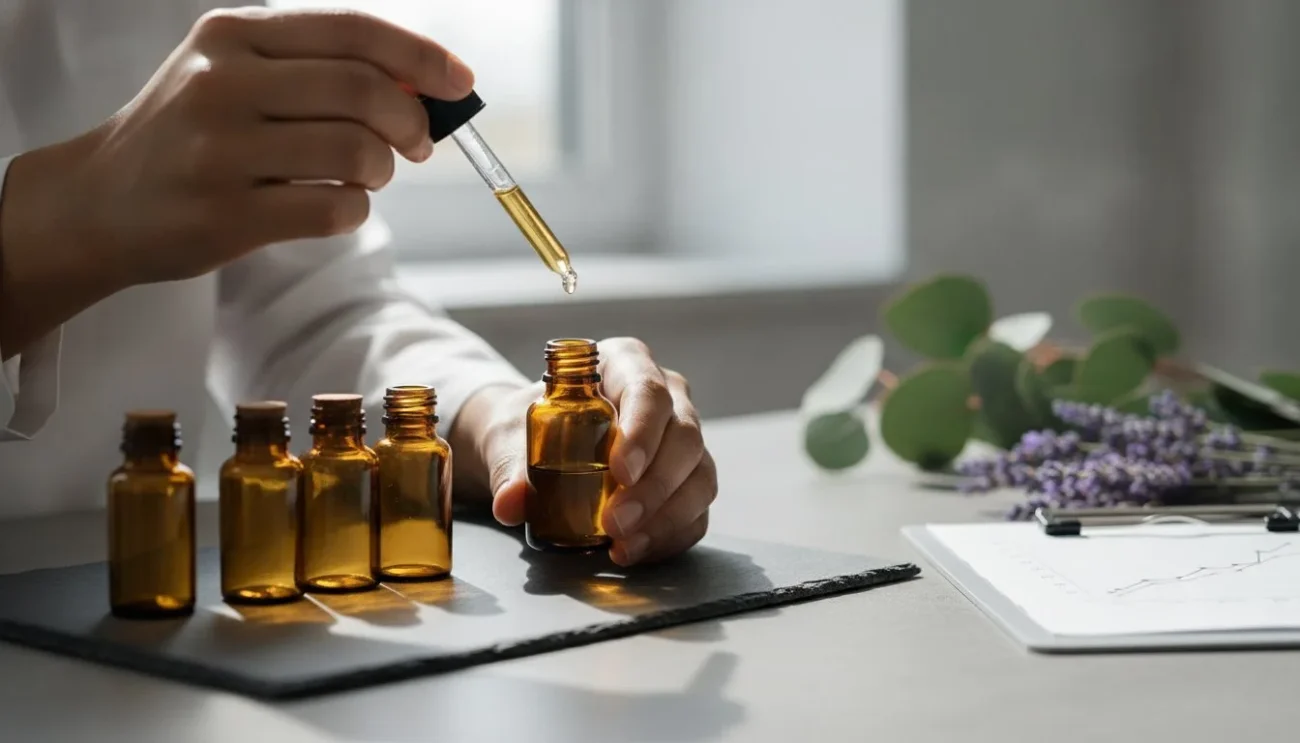
Dilution requires technical accuracy. For facial applications, we recommend a 1% dilution. This equates to approximately 5 to 6 drops of essential oil per ounce of carrier. The face is highly sensitive and requires a measured approach. For body applications, where the skin is thicker and less reactive, a 3% dilution is standard. This involves roughly 15 to 18 drops per ounce. Precision prevents sensitization and ensures the skin’s barrier remains uncompromised.
Stability is the final pillar of a successful blend. The shelf life of a customized serum depends entirely on the oxidative stability of the base oil. Jojoba and Argan offer long-term reliability due to their stable molecular structures. In contrast, high-linoleic oils like Rosehip require careful storage in amber glass, away from direct light and heat, to prevent rancidity. Understanding these chemical properties allows you to maintain the integrity of your botanical investments.
Creating Custom Facial Serums
Serums must be intentional. For dry skin, an Avocado base paired with Sea Buckthorn extract provides deep nourishment and essential fatty acids. Oily complexions benefit from a Grapeseed foundation with Rosemary essential oil to clarify and refine the pores. For those seeking to address hyperpigmentation, a Rosehip base with Pomegranate extract offers a potent brightening effect. These combinations prioritize substance over surface-level marketing, targeting the skin’s specific physiological needs.
The Role of Botanical Body Butters
Liquid oils are not always sufficient. When the skin barrier is severely compromised or exposed to harsh climates, a transition to a solid body butter is necessary. Blending liquid carrier oils into raw shea or cocoa butter creates an intensive barrier repair treatment. This occlusive layer seals in moisture for extended periods, providing long-term relief for dry tissue. For optimal results, use handmade scrubs to remove dead cellular debris before applying these lipid-rich blends. This ensures the oils penetrate directly into the fresh dermis. You can find the raw ingredients for these professional-grade routines at Au Natural Organics.
Sourcing Integrity: Why Au Natural Organics Defines the Quality Standard
Quality is not a marketing claim. It’s a botanical reality defined by the integrity of the extraction process and the ethics of the harvest. We refuse to compromise. While industrial standards often prioritize speed and yield, we adhere to the “Slow Process” of small-batch production. This methodology preserves the delicate enzymatic activity and nutrient density of the plant, ensuring that the finished product remains biologically active. It delivers the full therapeutic potential of the lipid directly to your dermis without the interference of chemical solvents or high-heat degradation. Finding the best carrier oil for skin requires looking beyond the label to the source itself. We prioritize transparency over convenience and substance over style.
The Power of Authentic Batana Oil
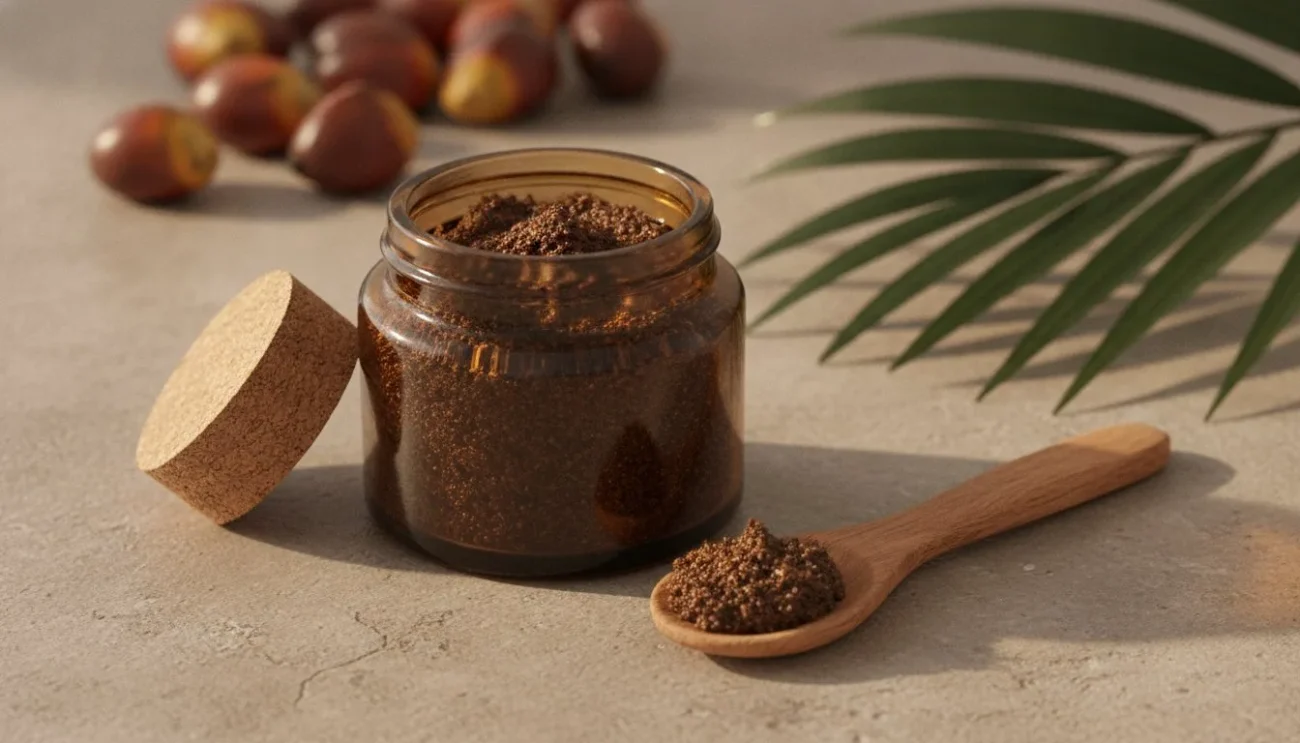
Batana oil represents the pinnacle of our sourcing philosophy. This rare extract, derived from the American Palm in the rainforests of Honduras, has been utilized for centuries by the Miskito people. It is a high-potency solution for those seeking a single, multi-use botanical foundation. Rich in riboflavin and antioxidants, authentic Batana oil provides unparalleled rejuvenation for both skin and hair. We position it as the “Master Oil” because its complex chemical profile addresses multiple dermatological needs simultaneously, from barrier repair to oxidative protection. It’s raw. It’s unrefined. It’s potent.
Ethical Sourcing and Global Stewardship
Integrity extends beyond the bottle. Our commitment to ethical harvesting ensures that traditional communities are protected and fairly compensated for their ecological stewardship. Supporting these practices protects the biodiversity of the regions where our botanicals originate. By choosing foundations free from synthetic fragrances and industrial additives, you’re making a long-term investment in your skin’s biological health. Many commercial “pure” oils are actually stripped of their vitality through chemical deodorization or bleaching. We preserve the natural character, color, and aroma of each extract. This dedication to transparency is why we’re recognized as a leader in providing the best carrier oil for skin.
Elevate Your Botanical Standard
We remain dedicated to the dignity of the ingredient. Our offerings are expertly curated for professional skincare results, ensuring every drop retains its living botanical essence. We source exclusively from traditional harvesting communities to protect global stewardship; our foundations are 100% pure and raw with no synthetic additives. Your routine deserves the integrity of small-batch craftsmanship and uncompromising purity. Shop our Collection of Professional-Grade Botanical Carrier Oils and transform your daily regimen into a ritual of botanical excellence. Trust in the power of nature, refined by expertise.
Frequently Asked Questions
What is the best carrier oil for aging skin?
Rosehip seed oil is often regarded as the best carrier oil for skin that is maturing because it contains natural trans-retinoic acid. This compound accelerates cellular turnover and helps repair environmental damage. Argan oil also serves this profile well due to its high concentration of Vitamin E and saponins, which improve elasticity. For those seeking a high-potency solution, authentic Batana oil offers deep rejuvenation through its rich antioxidant and riboflavin content.
Can I apply carrier oils directly to my face without diluting them?
You can absolutely apply carrier oils directly to your face without dilution. Unlike essential oils, which are volatile and highly concentrated, carrier oils are lipid-rich foundations designed for direct topical use. They reinforce the skin’s barrier and prevent moisture loss. We recommend applying them to damp skin or mixing them with a hydrosol to create an instant emulsion. This technique facilitates deeper absorption and ensures the lipids integrate with your skin’s natural moisture.
Which carrier oil is least likely to clog pores?
Oils with a comedogenic rating of zero or one are least likely to clog pores. Argan oil, hemp seed oil, and prickly pear seed oil are excellent choices for those prone to congestion. These high-linoleic extracts help balance thickened sebum and maintain pore clarity. Selecting the best carrier oil for skin that is acne-prone requires focusing on lightweight molecular structures that absorb rapidly without leaving a suffocating residue on the stratum corneum.
How do I know if my carrier oil has gone rancid?
A sour, metallic, or uncharacteristically pungent scent is the primary indicator that an oil has gone rancid. Oxidative damage occurs when lipids are exposed to light, heat, or oxygen over time. You might also notice a change in color or a sticky, viscous texture that differs from the original consistency. If the oil’s natural botanical aroma has vanished or turned unpleasant, its therapeutic potency has been compromised. It’s best to discard it immediately.
What is the difference between cold-pressed and refined carrier oils?
Cold-pressed oils are extracted through mechanical pressure at low temperatures to preserve their living nutrient profile. This method ensures vitamins, antioxidants, and essential fatty acids remain intact. In contrast, refined oils undergo high-heat processing and chemical bleaching to create a uniform, scentless product. This industrial approach strips away the very compounds that provide skin benefits. We only provide raw, unrefined oils because we refuse to compromise on botanical integrity.
Can I use carrier oils for hair growth as well as skin?
Most carrier oils are highly effective for both hair and skin health. Batana oil is particularly renowned as a master oil for hair growth and scalp repair due to its dense nutrient profile. Jojoba and Argan also provide excellent results by strengthening the hair shaft and sealing in moisture. These botanical lipids provide the same structural building blocks for your hair as they do for your dermis, making them versatile foundational tools for your routine.
Is Jojoba oil actually an oil or a wax?
Jojoba oil is technically a liquid wax ester, not a triglyceride oil. This distinction is critical because its molecular structure closely mimics human sebum. This bio-affinity allows it to integrate seamlessly with the skin’s natural lipid layer to regulate oil production. Because it is a wax, Jojoba is also exceptionally stable and possesses a much longer shelf life than most botanical oils. It remains a cornerstone of professional-grade skincare formulations for all skin types.
How should I store my carrier oils to maintain their potency?
Storing your botanical foundations in a cool, dark environment is essential for maintaining their stability. Exposure to direct sunlight and fluctuating temperatures accelerates oxidation and degrades delicate fatty acids. We use amber glass bottles to provide a natural barrier against UV light. Ensure the cap is sealed tightly after each use to minimize oxygen exposure. Proper storage preserves the raw, unrefined quality of the extract and extends its therapeutic life significantly.

Leave a comment
You must be logged in to post a comment.