

The integrity of a botanical blend rests entirely upon its foundation. Many practitioners treat base oils as passive diluents, yet the truth is far more rigorous. A carrier oil is a functional lipid that dictates the safety, absorption, and therapeutic success of every application. When you ask what is a carrier oil, you are really asking how to bridge the gap between potent plant extracts and human biology without compromise. Quality is non-negotiable. Integrity is essential.
It is natural to feel paralyzed by the sheer volume of choices or the fear of causing skin irritation through improper ratios. You deserve clarity in a market often clouded by synthetic fillers and vague sourcing. This guide provides a definitive framework for mastering botanical foundations, ensuring you can select the right oil for any skin type with absolute confidence. We will analyze the nuances of cold-pressing, establish precise dilution frameworks for safe aromatherapy, and identify the exact shelf-life requirements for professional-grade results. Prepare to move from uncertainty to expertise.
Key Takeaways
- Establish a clear definition of what is a carrier oil and how its molecular structure protects the skin.
- Recognize why cold-pressed extraction is the non-negotiable standard for maintaining botanical integrity.
- Master a selection framework based on comedogenic ratings to prevent irritation.
- Implement professional dilution protocols for potent, safe results.
- Create synergistic rituals by pairing pure foundations with authentic Batana oil.
Defining the Botanical Foundation: What is a Carrier Oil?
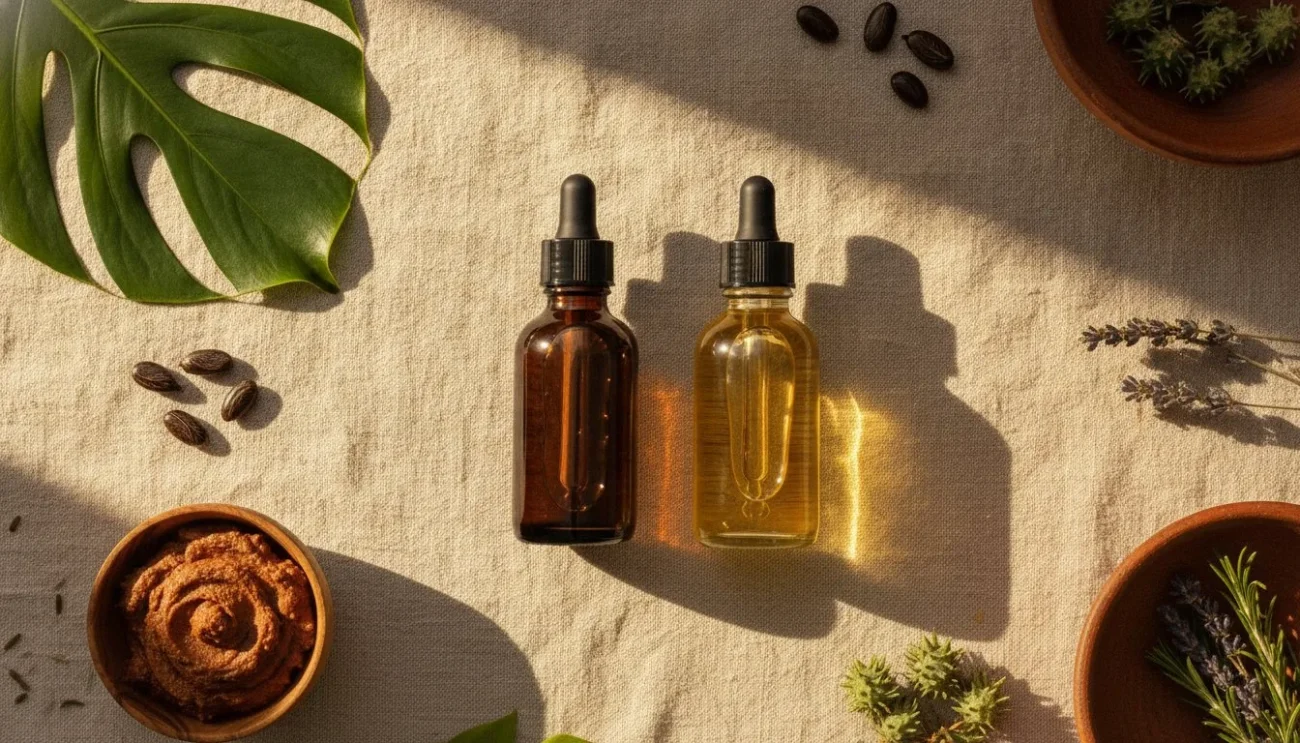
A Carrier oil is far more than a simple lubricant. It’s a foundational botanical lipid, typically cold-pressed from the fatty portions of a plant, such as the seeds, kernels, or nuts. When professionals ask what is a carrier oil, they are identifying the essential vehicle that facilitates the safe delivery of concentrated essential oils into the skin. Understanding what is a carrier oil requires recognizing its role as a biological bridge. Unlike water-based solutions, these oils possess a molecular structure that mirrors the skin’s own sebum, allowing for deep integration into the epidermis.
The physical mechanism is one of preservation and protection. Essential oils are volatile; they evaporate rapidly when exposed to air. A carrier oil provides a dense lipid barrier that traps these volatile compounds against the skin, extending their therapeutic window. This ensures that the plant’s chemistry is absorbed rather than lost to the atmosphere. We must distinguish these pure botanical foundations from synthetic mineral oils or petroleum-based products. Synthetic oils are occlusive and inert. They lack the vitamins and essential fatty acids found in true botanical bases; they often interfere with natural skin respiration and offer zero nutritional value to the dermal layers.
The Vital Role of Dilution in Aromatherapy
Dilution is a safety mandate, not a suggestion. Pure essential oils are highly concentrated phytochemicals that can cause severe skin sensitization or chemical burns if applied “neat” or undiluted. Carrier oils act as a buffer. By spreading a few drops of essential oil across a larger surface area, the base oil manages the rate of absorption. This prevents the immune system from becoming overwhelmed by a sudden influx of potent compounds. Professional aromatherapists reject the myth of neat application. They understand that a precise dilution in a quality base is often more effective because the carrier ensures the oils penetrate deeper into the dermal layers rather than simply sitting on the surface.
Carrier Oils vs. Essential Oils: The Fundamental Differences
The chemistry of these two substances is diametrically opposed. Essential oils are volatile. They are the concentrated essence of the plant, distilled from flowers, bark, or leaves, and they dissipate quickly. In contrast, carrier oils are “fixed” oils. They don’t evaporate and remain stable on the skin. While essential oils carry intense, often medicinal aromas, carrier oils typically possess a neutral or faintly nutty scent profile that doesn’t compete with the blend. Their origins differ as well. We distill flowers for essence; we press the nutrient-dense seeds and fatty tissues for the foundation. For those seeking advanced hair and skin restoration, pairing these bases with authentic Batana oil creates a synergistic effect that synthetic alternatives cannot replicate.
The Science of Sourcing: Cold-Pressed Integrity vs. Refined Oils
Extraction is the crucible of quality. While mass-market producers prioritize yield and shelf-stability through harsh chemical processing, professional standards demand a more respectful approach. To truly understand what is a carrier oil in a therapeutic context, one must examine the extraction method. Heat is the enemy of botanical integrity. High temperatures used in industrial refining destroy heat-sensitive vitamins and fracture delicate fatty acid chains, leaving behind an inert, “dead” oil that offers little more than simple lubrication.
Refinement often involves degumming, bleaching, and deodorizing. These aggressive processes strip the oil of its natural color and characteristic scent to create a uniform, tasteless product suitable for long-term storage in clear plastic bottles. This stripped-down version lacks the phytochemicals necessary for effective skin repair and barrier protection. Authenticity matters. A pure foundation should retain its raw, untouched quality, reflecting the specific environment where the plant was harvested. You can explore our collection of ethically sourced carrier oils to experience the profound difference that traditional processing makes.
Why Extraction Methods Dictate Therapeutic Value
Standard commercial oils are frequently extracted using hexane, a chemical solvent that maximizes oil recovery but risks leaving toxic residues in the final product. This approach prioritizes profit over biological safety. Cold-pressing, conversely, uses mechanical pressure to expel the oil while keeping the temperature strictly controlled. This preserves the natural antioxidant system of the plant, which acts as a built-in preservative against rancidity. Cold-pressed extraction is the gold standard for botanical integrity because it ensures the oil’s molecular structure remains uncompromised by heat or chemicals.
Identifying Pure, Unadulterated Botanical Bases
When evaluating what is a carrier oil for your specific needs, visual and olfactory cues are your primary diagnostic tools. Purity leaves a signature. Deep, vibrant hues in oils like avocado or rosehip suggest a high density of carotenoids and chlorophyll. If an oil is suspiciously pale or entirely odorless, it has likely undergone heavy refinement. This Carrier Oils Guide highlights how these natural pigments and scents are indicators of a nutrient-rich profile.
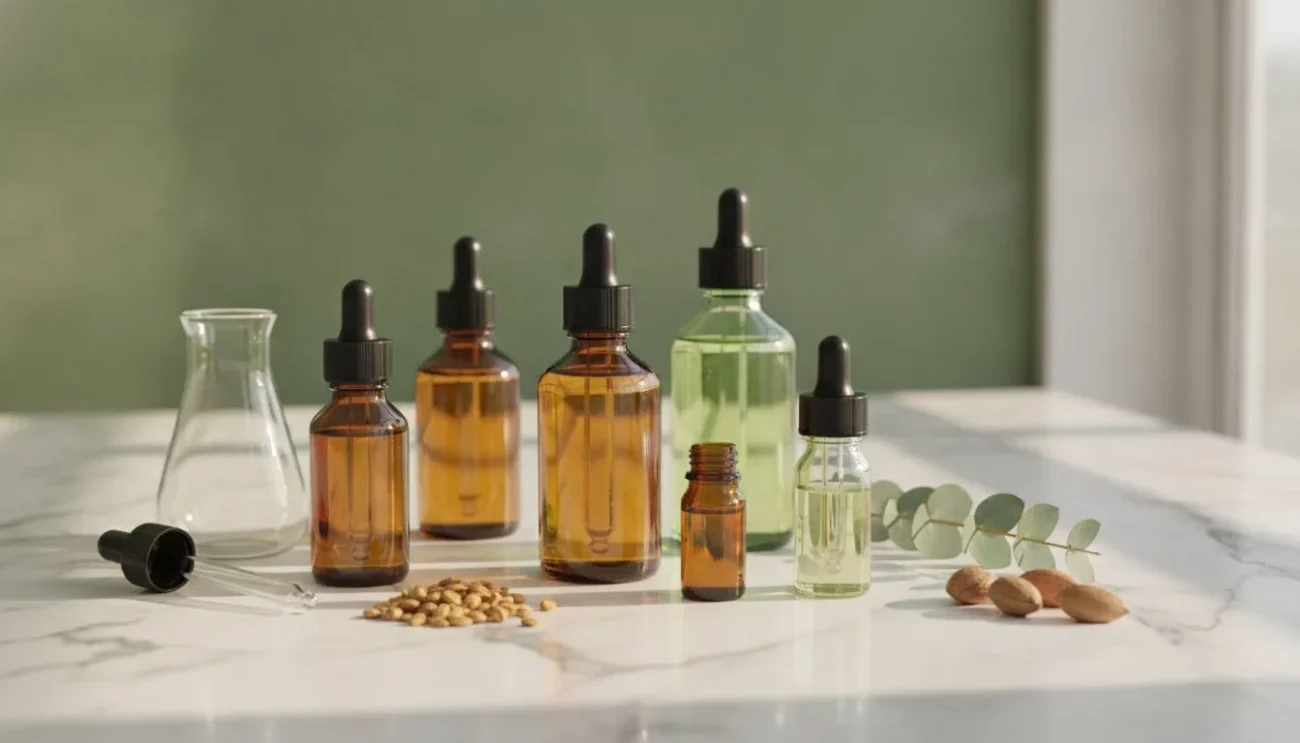
Organic certification serves as a baseline for safety, ensuring the oil is free from synthetic pesticides that could be concentrated during the pressing process. High-quality, unrefined oils possess a distinct viscosity and a clean, grounded aroma that signals their biological activity. Proper storage in amber glass is essential to protect these sensitive lipids from light-induced oxidation and to maintain their long-term reliability.
Selecting Your Base: A Framework for Skin Compatibility
Precision is the hallmark of professional aromatherapy. Selecting a botanical base requires an analytical understanding of dermal physiology and botanical chemistry. When practitioners evaluate what is a carrier oil for clinical or aesthetic use, they must look beyond the generic label and into the lipid profile of the substance. Every oil possesses a unique molecular weight and fatty acid composition that dictates its behavior on the skin surface and its ability to penetrate the stratum corneum. Choosing the wrong foundation can lead to congestion or insufficient hydration, undermining the efficacy of the entire blend.
The comedogenic scale serves as a primary diagnostic tool. This ranking, from 0 to 5, measures the likelihood of an oil clogging pores. Oils with a high molecular weight often sit on the surface, providing occlusive protection, while those with smaller molecules integrate rapidly. Beyond the scale, we must balance fatty acid profiles. Oleic acid (Omega-9) provides richness and deep hydration. Linoleic acid (Omega-6) is essential for maintaining the integrity of the skin’s moisture barrier, particularly in those prone to congestion. A sophisticated selection process ensures the oil works with the skin’s natural biology rather than against it.
Comedogenic Ratings and Skin Type Alignment
For oily and acne-prone skin, linoleic-rich oils are mandatory. Research suggests that individuals with persistent congestion often have lower levels of linoleic acid in their skin sebum. Utilizing oils like Grapeseed helps rebalance this deficiency without obstructing pores. Conversely, dry and mature skin benefits from the restorative power of high-oleic oils. Avocado and Argan oils offer the density required to repair a compromised barrier and soften fine lines. For sensitive individuals, Sweet Almond and Jojoba provide a neutral, non-reactive foundation that soothes inflammation without triggering immune responses. For a detailed breakdown of which botanical profiles match each skin type, our guide to the best carrier oil for skin provides a definitive ranking based on comedogenicity and fatty acid composition.
Absorption Rates and Sensory Profiles
Understanding how to use carrier oils effectively involves aligning their absorption rates with your specific dermal objectives. “Dry” oils, such as Rosehip or Safflower, vanish into the skin almost instantly; they’re ideal for facial serums and daily hydration. Heavy, occlusive oils like Castor or Olive oil are best reserved for intensive night treatments where long-term moisture retention is the goal. Jojoba remains the industry outlier. It’s technically a liquid wax ester. Its structure mimics human sebum more closely than any other botanical. It doesn’t just sit on the skin. It communicates with it, signaling the pores to regulate natural oil production for a balanced, healthy complexion.

Mastering the Blend: Dilution Ratios and Synergistic Application
Precision in measurement is where botanical philosophy meets clinical practice. When you understand what is a carrier oil, you recognize it as the volumetric majority of your formula. It’s the medium that determines safety. For a standard adult application, the 2 percent rule serves as the professional baseline for safety. This ratio equates to 12 drops of essential oil per 1 fluid ounce of your chosen base. If you are formulating for facial application or individuals with heightened dermal sensitivity, reduce this to a 1 percent dilution. This translates to exactly 6 drops per ounce. Consistency is the mark of a master.
The math of mixing requires a systematic approach to ensure stability. Essential oils are potent phytochemicals; they require the broad lipid structure of the carrier to prevent evaporation and localized irritation. Synergy occurs when the inherent properties of the base oil complement the essential oil’s chemistry. For example, a high-antioxidant carrier can stabilize a more delicate essential oil, extending its shelf life and enhancing its topical efficacy. Never rush the process. Accuracy is the only way to guarantee both results and safety.
Standard Dilution Guidelines for Safe Topical Use
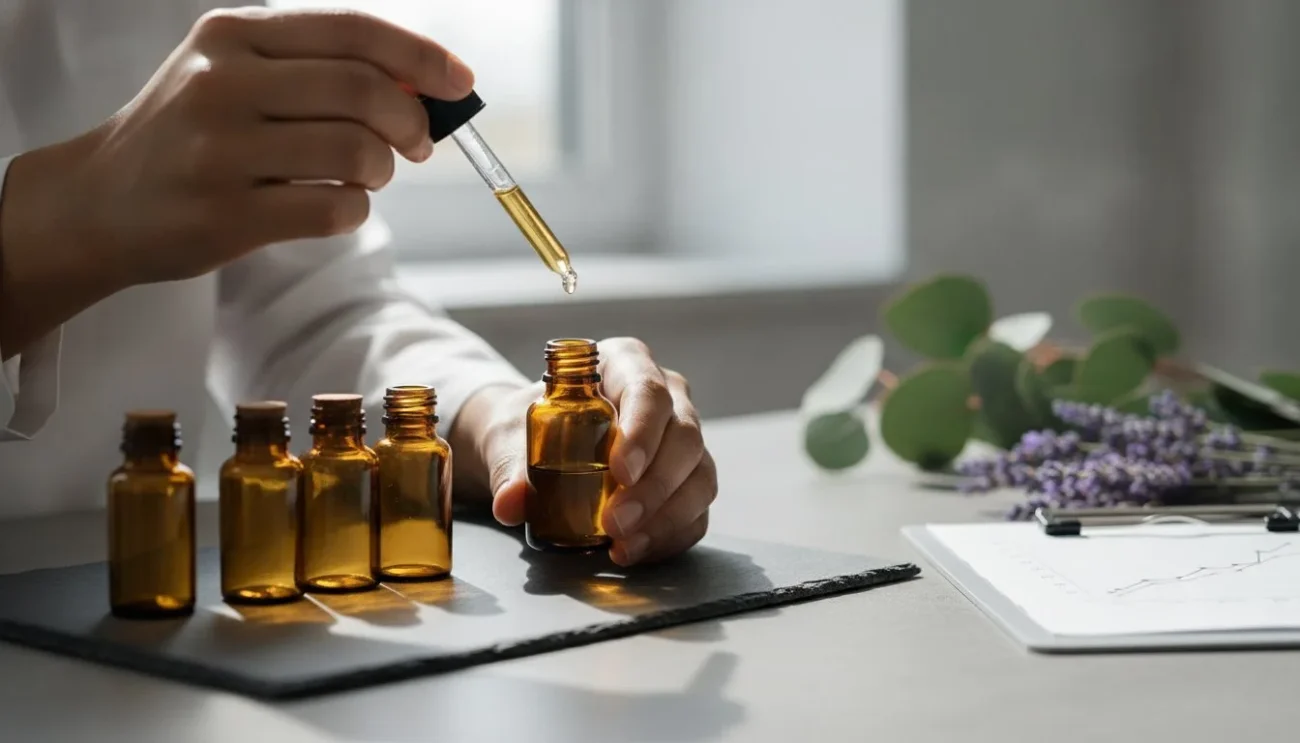
Measuring must be methodical. Always pour your carrier oil into a clean glass vessel first. Add your essential oil drops one by one to ensure absolute accuracy. Cap the bottle and roll it slowly between your palms to integrate the lipids without introducing excessive air. Before full-body application, conduct a patch test on the inner elbow for 24 hours. This step is non-negotiable for identifying potential idiosyncratic reactions. The 2 percent rule remains the industry gold standard for safe, effective daily use.
Creating Targeted Blends for Hair and Skin Vitality
Targeted results require specific foundations. For scalp health, the dense viscosity of Castor oil or the refined nutrient profile of Argan provides the ideal environment for stimulating extracts like Rosemary. To achieve a more substantial texture for intensive body treatments, professionals often incorporate body butters into their liquid oil foundations. This creates a protective barrier that lasts. Complete your ritual by misting the skin with botanical hydrosols before applying your oil blend. This traps moisture and significantly enhances the absorption of the fatty acids.
Secure your professional-grade foundations by exploring our collection of pure botanical carrier oils today.
The Au Natural Standard: Elevating Your Wellness Ritual
Au Natural Organics rejects the compromises of mass production. We believe that the foundation of any wellness ritual must be as pure as the active extracts it carries. When you consider what is a carrier oil in the context of our brand, you’re looking at a source-verified, unadulterated lipid that honors the plant’s origin. Our commitment to ethical sourcing means we prioritize traditional processing methods that support global communities and preserve the biological life-force of the oil. Transitioning from synthetic, petroleum-based products to true botanical foundations is the single most effective way to transform long-term skin health and restore the dermal barrier.
The synergy of purity is most evident when combining these foundations with high-potency treatments. Professional-grade carrier oils are the non-negotiable partners for our most concentrated extracts. By choosing a base that is free from synthetic fragrances and hidden additives, you ensure that every molecule of your blend serves a therapeutic purpose. This uncompromising approach to quality is what defines the Au Natural standard; it’s a bridge between ancient botanical wisdom and modern professional needs.
Why Professional-Grade Carrier Oils Matter
Integrating Carrier Oils with Authentic Batana Oil
One of the most effective applications for our carriers is the optimization of authentic Batana oil. While raw Batana oil is a powerhouse for hair restoration, its thick, paste-like consistency can be challenging for daily use. By diluting it with a lighter carrier oil, you create a protocol that is easier to apply while maintaining its high-potency benefits.
You can customize your treatment based on your hair’s specific porosity. High-porosity hair thrives when Batana is paired with a denser oil like Avocado, while low-porosity hair benefits from a lighter, more penetrative base like Grapeseed or Jojoba. This customization ensures the nutrients reach the hair shaft effectively. We invite you to explore our collection of pure botanical carrier oils to build a custom wellness ritual that reflects your commitment to quality and ethical integrity.
Master the Botanical Foundation
The integrity of your aromatherapy practice depends on the quality of your base. Understanding what is a carrier oil means recognizing its role as a functional, biological partner rather than a passive additive. By prioritizing cold-pressed extraction and adhering to precise dilution frameworks, you protect the skin’s barrier while maximizing the therapeutic potential of every drop. You now possess the professional framework required to select oils based on molecular compatibility and ethical standards. Don’t settle for refined, inert lipids that compromise your results.
True wellness requires expert-verified botanical purity and ingredients ethically sourced from traditional global producers. Our foundations are entirely free from synthetic fragrances and harsh chemicals, ensuring a clean and dignified ritual for your skin and hair. This commitment to transparency and quality is the only way to achieve consistent, professional-grade results in your daily wellness practice.
Discover the Au Natural Organics collection of pure, cold-pressed carrier oils and begin your transition to unadulterated botanical care. Your journey toward professional-grade mastery begins with the right foundation.
Frequently Asked Questions
What is the best carrier oil for sensitive skin?
Sweet almond and jojoba oils are the premier choices for sensitive skin due to their non-reactive nature. These oils mirror the skin’s natural lipids, ensuring they soothe inflammation without triggering immune responses. Jojoba, technically a liquid wax ester, is particularly effective for those with a compromised barrier. It provides a protective layer that calms redness while facilitating the gentle absorption of essential oils without causing distress to the epidermis.
Can I use coconut oil from the grocery store as a carrier oil?
Grocery store coconut oil is generally unsuitable for therapeutic use because it often undergoes heavy refining and bleaching. While it serves culinary purposes, these industrial processes strip the oil of its botanical integrity and protective antioxidants. For professional results, you must use source-verified, cold-pressed coconut oil. This ensures you avoid hidden additives and chemical residues that are common in mass-market food products intended for high-heat cooking.
How long do carrier oils stay fresh before they expire?
Most carrier oils remain fresh for six months to two years, though stability depends on the specific fatty acid profile. Jojoba oil is exceptionally stable and resistant to rancidity; it can last for several years when stored correctly. In contrast, oils high in polyunsaturated fats, like rosehip, have a shorter lifespan of approximately six months. Always store your oils in amber glass and keep them away from direct sunlight to preserve their efficacy.
What is a carrier oil for hair growth specifically?
Castor and argan oils are the most effective foundations for stimulating hair growth. When you ask what is a carrier oil for hair vitality, you are looking for a base that can penetrate the scalp and deliver nutrients to the follicle. Castor oil provides ricinoleic acid to boost circulation, while argan offers essential vitamins. For maximum restoration, these bases should be combined with authentic Batana oil to create a high-potency hair ritual.
Do carrier oils have a scent that will mask my essential oils?
Pure carrier oils typically possess a neutral or faintly nutty aroma that doesn’t interfere with your essential oil blend. Unrefined oils like tamanu or sea buckthorn have stronger, earthy profiles that may influence the final scent, but most standard bases remain subtle. This allows the volatile aromatic compounds of your essential oils to lead the sensory experience. If you find an oil is completely odorless, it has likely been heavily refined or deodorized.
What happens if I use an essential oil without a carrier oil?
Applying an essential oil without a carrier oil risks severe skin sensitization, chemical burns, and allergic reactions. Essential oils are highly concentrated phytochemicals that evaporate rapidly and penetrate too deeply when applied “neat.” A carrier oil provides a necessary lipid barrier that slows absorption and protects the integrity of the epidermis. Skipping this foundation often leads to long-term dermal damage and immune system overstimulation.
Can I mix multiple carrier oils together in one blend?
You can absolutely mix multiple carrier oils to create a customized botanical synergy. Combining a “dry” oil like grapeseed with a richer base like avocado allows you to fine-tune the absorption rate and nutrient density of your blend. This practice is common in professional formulation to address complex skin needs, such as balancing oily zones while hydrating dry patches. Each oil adds a different fatty acid profile to the final product.
How do I know if my carrier oil is cold-pressed?
Identifying a cold-pressed oil requires evaluating its color, aroma, and packaging. True cold-pressed oils retain the vibrant pigments of the parent plant, such as the deep gold of jojoba or the green of unrefined avocado. They possess a grounded, natural scent rather than being odorless or smelling of chemicals. To understand what is a carrier oil of high quality, ensure the label explicitly states the extraction method and the oil is housed in light-blocking amber glass.
Leave a comment
You must be logged in to post a comment.