Synthetic silicones are not a cure for a disintegrated hair shaft; they are merely a cosmetic mask for structural failure. You’ve likely felt the mushy texture of over-processed strands or watched as extreme breakage occurs after a chemical service gone wrong. It’s exhausting to waste money on synthetic fillers that fail to address chronic scalp irritation or internal damage. We understand this frustration. Our commitment to raw botanical integrity means we prioritize actual recovery over temporary, artificial shine.
This professional guide outlines the precise botanical protocol for repairing chemically damaged hair with batana oil, focusing on reconstructing the hair shaft and restoring lipid integrity at a cellular level. You’ll learn how authentic, unrefined Batana oil interacts with the hair’s natural structure to reverse the effects of severe processing. We move beyond surface-level fixes to provide a clear, repeatable repair routine rooted in science. This approach ensures you understand the mechanics of botanical reconstruction while restoring the elasticity and raw strength your hair requires to thrive again.
Key Takeaways
- Identify the structural failure behind “mushy” hair texture and how chemical processing compromises the hair’s hydrophobic integrity.
- Implement a professional protocol for repairing chemically damaged hair with batana oil, utilizing bio-available fatty acids to reconstruct the hair shaft from within.
- Recognize the “Silicone Trap” in commercial products and understand why synthetic coatings hinder the restoration of natural lipid barriers.
- Master the warm-oil saturation technique to maximize the penetration of reparative tocopherols into bleached and over-processed strands.
- Distinguish authentic, unrefined Honduran Batana paste from inferior refined oils by applying the “Smell and Color” purity standard.
The Anatomy of Chemical Damage: How Treatments Compromise Hair Integrity
Chemical processing is a violent intervention. Bleach, perms, and relaxers force the hair cuticle to lift, exposing the delicate internal cortex to aggressive agents. Once exposed, the cortex loses its essential proteins and structural lipids. This structural collapse is the starting point for anyone serious about repairing chemically damaged hair with batana oil. Without a deep understanding of this degradation, any attempt at repair is merely guesswork.
Healthy hair is naturally hydrophobic. It repels excess water thanks to the 18-MEA lipid layer, a microscopic fatty acid coating that serves as the hair’s primary defense against environmental stress. Chemical treatments strip this layer away instantly. When the 18-MEA layer vanishes, the hair loses its hydrophobic integrity. It becomes hydrophilic, absorbing water like a sponge and swelling beyond its capacity. This leads to the characteristic “mushy” or “gummy” texture when wet. The hair loses its snap. It loses its structural soul.
Standard conditioners cannot fix this failure. Most commercial products rely on synthetic silicones to coat the hair shaft, providing a temporary slip that masks the underlying ruin. They do not replace the lost lipids. Deep structural damage requires a bio-available solution that mimics the hair’s natural composition. This is why the nutrient-dense profile of the Elaeis oleifera palm, the botanical source of authentic Batana oil, is so critical for professional-grade recovery.
The Impact of Bleach and Oxidative Color
Hydrogen peroxide is an aggressive oxidant. It dissolves melanin to lighten the hair, but it also weakens the disulfide bonds that provide internal strength and elasticity. The long-term consequence is permanent porosity and chronic moisture loss. Porosity is the hair’s inability to retain moisture due to the presence of physical gaps and holes in the damaged cuticle. Moisture enters easily and exits even faster, leaving the hair brittle, dull, and prone to snapping at the slightest tension.
Relaxers and Perms: Breaking the Bonds
High-pH treatments like relaxers and perms work by breaking and reforming the hair’s internal architecture to change its shape. This process creates a severe protein-moisture imbalance that leaves the hair rigid and fragile. Recovering from these intensive chemical sessions requires more than just water-based hydration. It demands a lipid-heavy recovery strategy to seal the cuticle and reinforce the cortex. Repairing chemically damaged hair with batana oil provides the necessary fatty acids to stabilize this compromised architecture and restore a sense of natural movement.
The Reconstructive Power of Raw Batana Oil: Essential Fatty Acids and Tocopherols
Batana oil is not a surface treatment. It’s a biochemical reconstructor. Its efficacy lies in its exceptional concentration of Oleic and Linoleic acids. These essential fatty acids mimic the scalp’s natural sebum, providing a bio-identical solution for hair that has lost its protective oils through aggressive processing. When repairing chemically damaged hair with batana oil, you aren’t just adding shine. You’re replacing the biological foundation of the hair shaft itself.
Chemical residues from bleach and relaxers often linger within the hair, creating free radicals that continue to degrade the structure long after the salon service is over. Tocopherols, or Vitamin E, act as potent antioxidants to neutralize these destructive elements. Raw Batana oil is exceptionally rich in these compounds. Because its molecular size is optimized for absorption, it can penetrate the cortex to deliver these nutrients internally. The unique, thick paste consistency of the raw oil is a definitive indicator of this nutrient density. It remains unrefined and potent.
Lipid Replenishment: Filling the Gaps
Think of Batana oil as a botanical cement. It fills the structural gaps in the raised cuticles of damaged hair, restoring the lipid barrier that chemical processing destroys. There’s a direct relationship between fatty acid availability and hair elasticity. Without these lipids, the hair remains rigid and prone to snapping under the slightest tension. Raw Batana oil is superior to refined alternatives because it retains the full spectrum of vitamins and fats required by lipid-starved strands. It provides the heavy-duty nourishment that processed hair demands.
Scalp Recovery and Follicle Health
Chemical burns and chronic inflammation are common, painful side effects of aggressive treatments. Batana oil provides immediate relief for these irritations, creating a stable and calm environment for new growth. It’s a holistic approach to recovery. You must repair the existing length while protecting the scalp from further distress. There is a powerful synergistic effect when using authentic batana oil alongside a clean, botanical regimen. If you’re serious about your recovery journey, choosing a source that values unrefined botanical integrity is the only logical step forward.
Batana Oil vs. Commercial Conditioners: Why Synthetic Silicones Fail Damaged Hair
Most commercial “repair” masks are deceptive. They prioritize optical shine over structural health. These products typically rely on high concentrations of Dimethicone and other synthetic silicones to create an immediate, silky feel. The illusion is brief. True health is earned. While these silicones provide temporary slip, they contribute to the “Silicone Trap,” a cycle where the hair feels soft but remains fundamentally broken beneath a plastic-like seal.
Repairing chemically damaged hair with batana oil requires a rejection of the quick-fix culture that dominates modern beauty aisles. Synthetic coatings are hydrophobic in a destructive way; they prevent actual moisture and reparative lipids from entering the cortex. Over time, this buildup leads to hair that is heavy, dull, and increasingly brittle. In contrast, pure Batana oil is a bio-available alternative. It integrates with the hair’s natural structure rather than merely suffocating the cuticle. From a cost-benefit perspective, a single jar of unrefined Batana oil often outlasts several drugstore treatments because its nutrient density requires far less product for superior results.
Identifying Synthetic Fillers in Hair Care
Long-term Health vs. Instant Gratification
Botanical repair is not an overnight event. It’s a cumulative process. While silicones give you a result in seconds, the only sustainable method for repairing chemically damaged hair with batana oil involves patience and structural reconstruction. True restoration of elasticity takes weeks of consistent application as the fatty acids slowly fill the voids left by chemical stripping. This philosophy of deep, internal nourishment extends beyond hair care. For those seeking to understand the broader science of lipid restoration, our guide on botanical body butters provides essential education on holistic moisture. Strength is built through persistence, not temporary coatings.

Batana Oil Repair Guide for Bleached and Processed Hair
Practical recovery demands a methodical approach. When dealing with extreme structural failure, a casual application is insufficient. Successfully repairing chemically damaged hair with batana oil is a process of saturation, heat, and time. This protocol ensures that the bio-available lipids discussed in previous sections actually reach the internal cortex to begin the work of reconstruction. It is about precision, not just product.
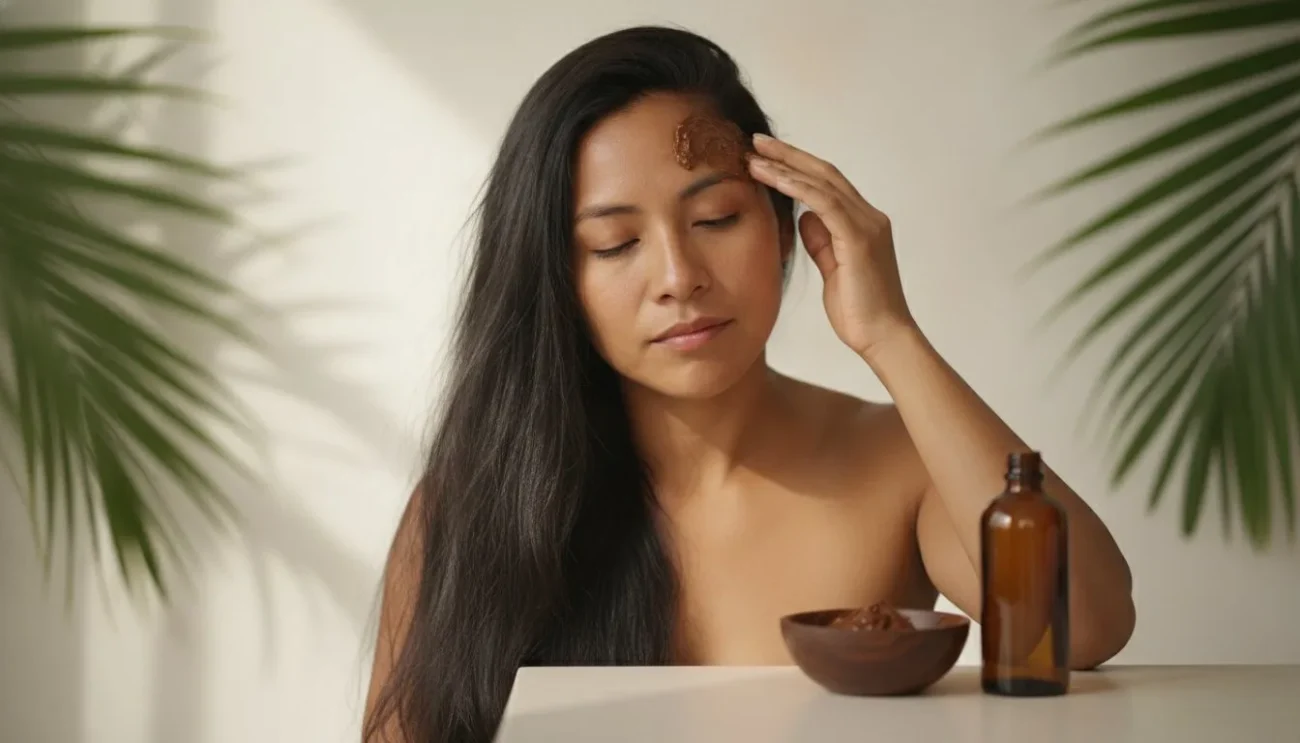
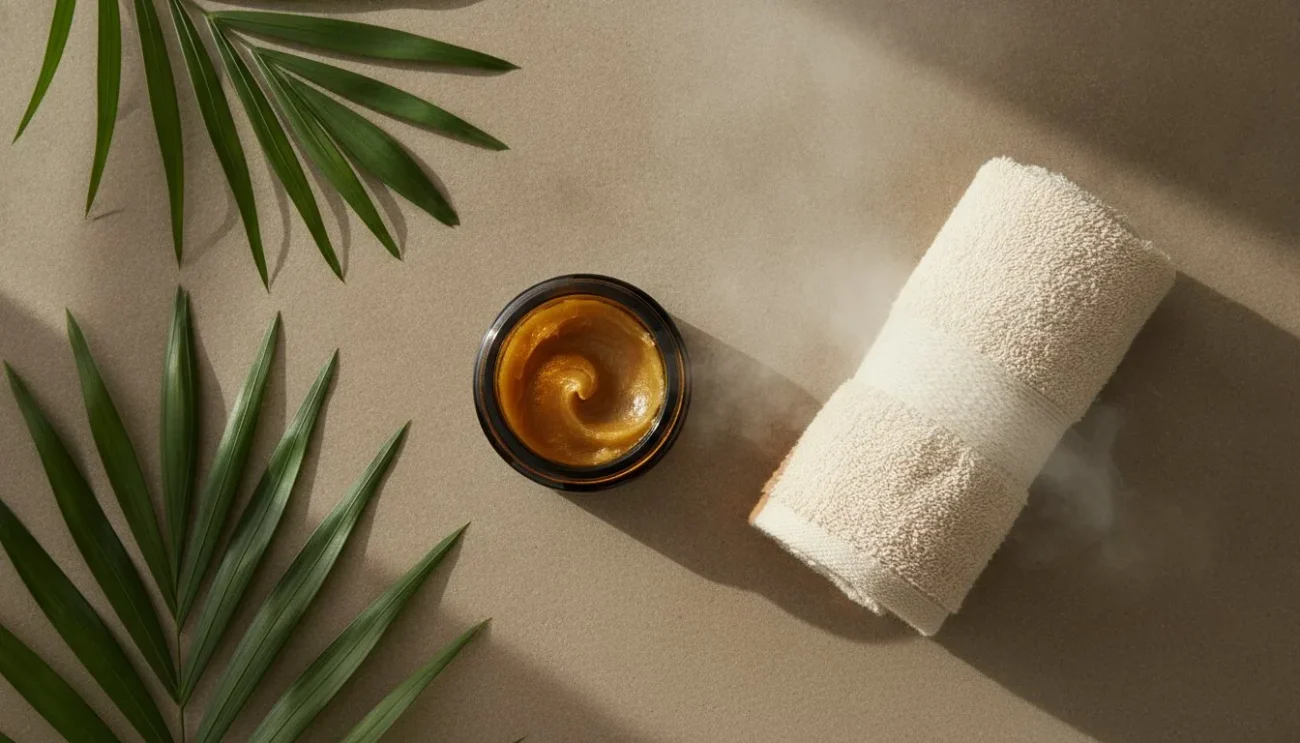
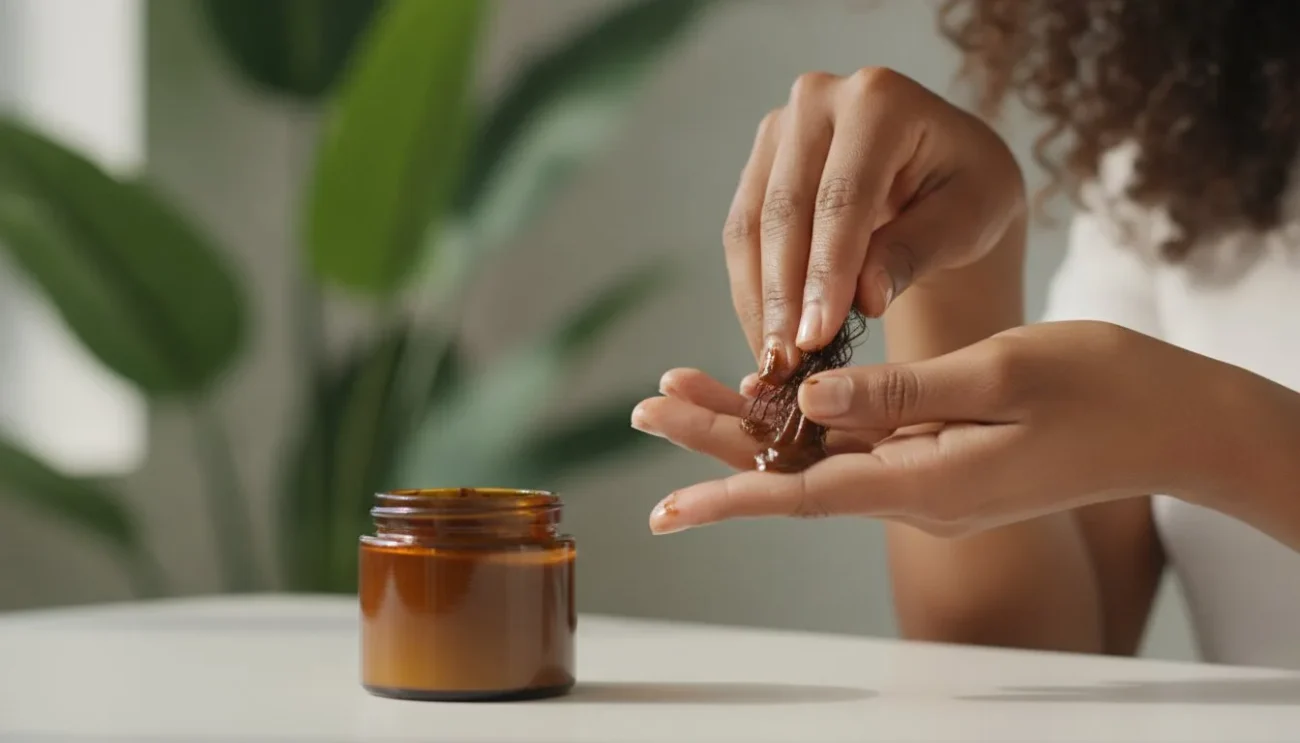
- Step 1: The Warm-Oil Preparation. Heat acts as a catalyst for penetration. Place your jar of raw Batana paste in a bowl of warm water until it reaches a liquid, oil-like consistency. Avoid microwaves; extreme or uneven heat can degrade the delicate tocopherols required for professional-grade repair.
- Step 2: Sectioning and Application. Work with dry hair for maximum absorption. Divide your hair into four quadrants and apply the oil from ends to mid-lengths, ensuring every compromised strand is thoroughly saturated. Focus heavily on the areas where the “mushy” texture is most prevalent.
- Step 3: The Incubation Period. This is the most critical phase for deep repair. Once the hair is saturated, cover it with a plastic cap. The natural heat from your scalp, or a low-heat hooded dryer, drives the fatty acids into the hair shaft. Allow at least 60 minutes for this process to take effect.
- Step 4: Gentle Cleansing. Do not undo your progress with harsh sulfates. Use a gentle, sulfate-free cleanser to remove excess oil. You may need two light washes, but the goal is to leave a microscopic layer of protection on the cuticle.
- Step 5: Maintenance. Recovery is not a one-time event. Establish a weekly rhythm to maintain the lipid barrier and prevent future breakage during the grow-out phase.
The Intensive Overnight Treatment
Elastic hair is in a state of crisis. If your strands feel gummy or stretch without returning to their original shape, an intensive overnight mask is mandatory. This extended exposure allows for maximum lipid integration. For mid-length hair, a quantity equivalent to a large walnut is sufficient for full saturation without excessive waste. Wrap the hair in a silk or satin scarf after applying the plastic cap to maintain warmth and protect your bedding while you sleep.
Pre-Wash Protection for Daily Maintenance
Surfactants in standard shampoos are the enemy of processed strands. Use a small amount of Batana oil as a shield before you wash to prevent the stripping of natural oils. For those focusing on both repair and length retention, consider mixing Batana with other carrier oils for hair growth to create a customized scalp and hair treatment. Between washes, a pea-sized amount can be used as a split-end sealer on dry hair to maintain a smooth, hydrophobic surface. To begin your professional recovery protocol, secure your supply of pure unrefined batana oil today.
Sourcing Purity: Why Unrefined Honduran Batana Oil is Non-Negotiable for Repair
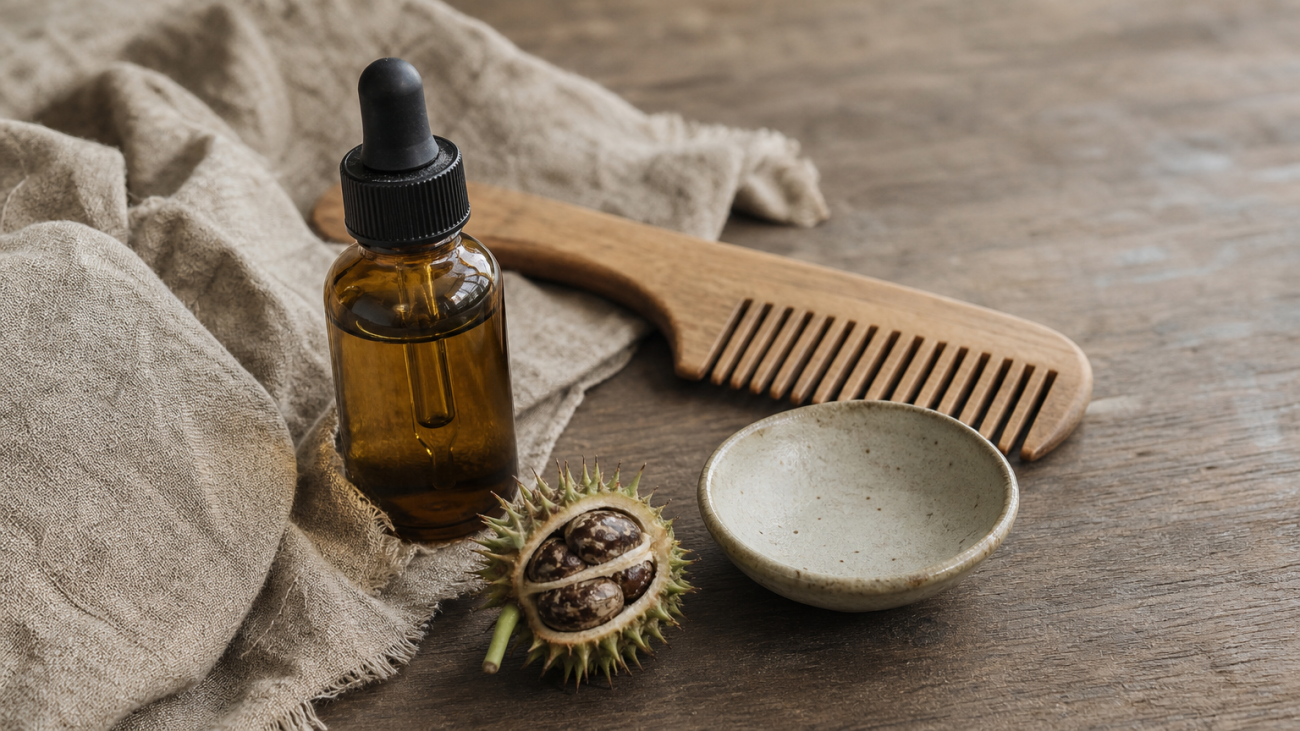
Efficacy is not a byproduct of marketing; it is a result of botanical integrity. When repairing chemically damaged hair with batana oil, the chemical profile of the oil must remain in its raw, unrefined state to provide the necessary tocopherols and fatty acids. Most commercial variants have been bleached or deodorized. This process creates a white or pale yellow oil that lacks the potent reparative qualities of the original paste. Authentic Batana oil is unmistakable. It possesses a deep, dark brown hue and a distinct, smoky aroma reminiscent of roasted coffee. If the oil lacks this sensory profile, it has likely been refined, losing the very nutrients required to reconstruct a shattered hair shaft.
The ethical dimension of sourcing is equally vital. Authentic Batana is harvested and processed by the Miskito people of Honduras using traditional methods that preserve its molecular structure. Supporting fair-trade sourcing ensures the longevity of this botanical resource while respecting the heritage of its guardians. We refuse to compromise on these standards because we understand that the recovery of your hair depends on the purity of our ingredients. Purity is the bridge between traditional wisdom and modern hair science.
Avoiding the “Fake Batana” Market
The surge in popularity of this ingredient has led to a flooded market of adulterated products. You must recognize the red flags. A sweet, vanilla-like scent or a liquid consistency at room temperature indicates a product that has been diluted or substituted with cheaper carrier oils. Many “Batana-scented” fragrance oils offer zero therapeutic value. They are merely synthetic perfumes that can further irritate a chemically sensitized scalp. Additionally, unrefined oil must be housed in glass packaging. Plastic containers can leach chemicals into the oil and fail to protect the delicate antioxidant profile from light-induced degradation.
The Au Natural Organics Standard
Our standards are uncompromising. We provide authentic, unrefined Batana oil sourced directly from traditional Honduran producers. We refuse to utilize synthetic additives, fillers, or fragrances that compromise the oil’s structural integrity. By maintaining the oil in its traditional paste form, we ensure you receive the maximum potency for repairing chemically damaged hair with batana oil. True recovery requires a rejection of refined, mass-produced alternatives. It demands the gold standard of botanical repair. Restore your hair’s integrity with a product that respects both nature and your hair’s internal architecture.
Restore Structural Integrity
Chemical damage is not a permanent state; it is a structural challenge that requires a disciplined recovery protocol. We have established that true restoration moves beyond surface-level shine to address the fundamental loss of lipids within the cortex. Repairing chemically damaged hair with batana oil is an act of biological reconstruction. By rejecting synthetic coatings and prioritizing raw, unrefined botanical integrity, you provide your strands with the bio-available nutrients they need to regain elasticity and strength.
Professional-grade results depend entirely on the purity of your source. Our 100% pure, unrefined paste is ethically sourced from the Miskito people of Honduras, ensuring it remains free from synthetic fragrances or fillers. This commitment to quality is the only way to bypass the “Silicone Trap” and achieve lasting health. Restore your hair with Authentic Raw Batana Oil and experience the uncompromising power of traditional botanical wisdom. Your journey to resilient, healthy hair begins with the right foundation. You are now equipped to lead your hair back to its natural, vibrant state.
Frequently Asked Questions
Can Batana oil really fix hair that is already breaking?
Batana oil reduces breakage by restoring the hair’s natural lipid barrier and improving its overall tensile strength. While it cannot fuse strands that have already snapped, it provides the essential fatty acids needed to stop the cycle of disintegration in compromised hair. Consistent application ensures the hair shaft remains flexible rather than brittle. This flexibility is the primary defense against the mechanical stress of daily brushing and styling.
How often should I use Batana oil on chemically damaged hair?
Use it once or twice weekly as an intensive treatment for the best results in repairing chemically damaged hair with batana oil. Over-processing requires a steady, deliberate supply of lipids to maintain structural integrity and prevent “mushy” textures. For daily maintenance, apply a pea-sized amount specifically to the ends of your hair. This creates a protective hydrophobic shield that prevents further moisture loss and environmental damage throughout the day.
Will Batana oil change my hair color, especially if I have blonde or bleached hair?
Raw Batana oil is naturally dark brown, but it typically does not stain hair when washed out thoroughly. However, if your hair is extremely porous from bleach, we recommend a patch test on a hidden strand first. The pigments are natural and unrefined. Most users find that the oil rinses away completely, leaving behind only the reparative nutrients and a healthy, restored shine.
Is it better to apply Batana oil to wet or dry hair for repair?
Apply Batana oil to dry hair to ensure maximum penetration of its reparative compounds. Hair that is already saturated with water cannot absorb the oil’s fatty acids as effectively. When the hair is dry, the lifted cuticles allow the oil to move directly into the cortex. This method ensures that the nutrients are delivered where they are most needed for deep, internal structural reconstruction.
Can I use Batana oil if I have a sensitive scalp from chemical burns?
How long does it take to see results when repairing hair with Batana oil?
You’ll notice an immediate improvement in softness and manageability, but structural reconstruction is a cumulative process. Significant changes in elasticity and the success of repairing chemically damaged hair with batana oil usually take four to six weeks of consistent use. True botanical repair is not an instant cosmetic fix. It’s a methodical restoration of the hair’s internal architecture and its vital lipid balance.
Does Batana oil help with heat damage as well as chemical damage?
Batana oil is exceptionally effective for heat damage because it addresses the same lipid depletion caused by aggressive chemical processing. High temperatures from flat irons and blow dryers strip the 18-MEA layer, leading to chronic brittleness and dullness. The essential fatty acids in Batana oil replenish these lost oils effectively. It restores the hydrophobic integrity of the hair, making it significantly more resilient against future thermal stress.
What is the difference between raw Batana oil and Batana hair masks found in stores?
Store-bought Batana masks are often diluted with water, synthetic silicones, and cheap fillers. These products provide a temporary, artificial slip but fail to deliver deep structural repair. Raw Batana oil is an unrefined, nutrient-dense paste that contains the full spectrum of original tocopherols. It offers professional-grade potency without the “Silicone Trap” that prevents genuine moisture from reaching the hair shaft during the recovery process.
Leave a comment
You must be logged in to post a comment.