The Ingredient Library
Copaiba
Copaifera officinalis
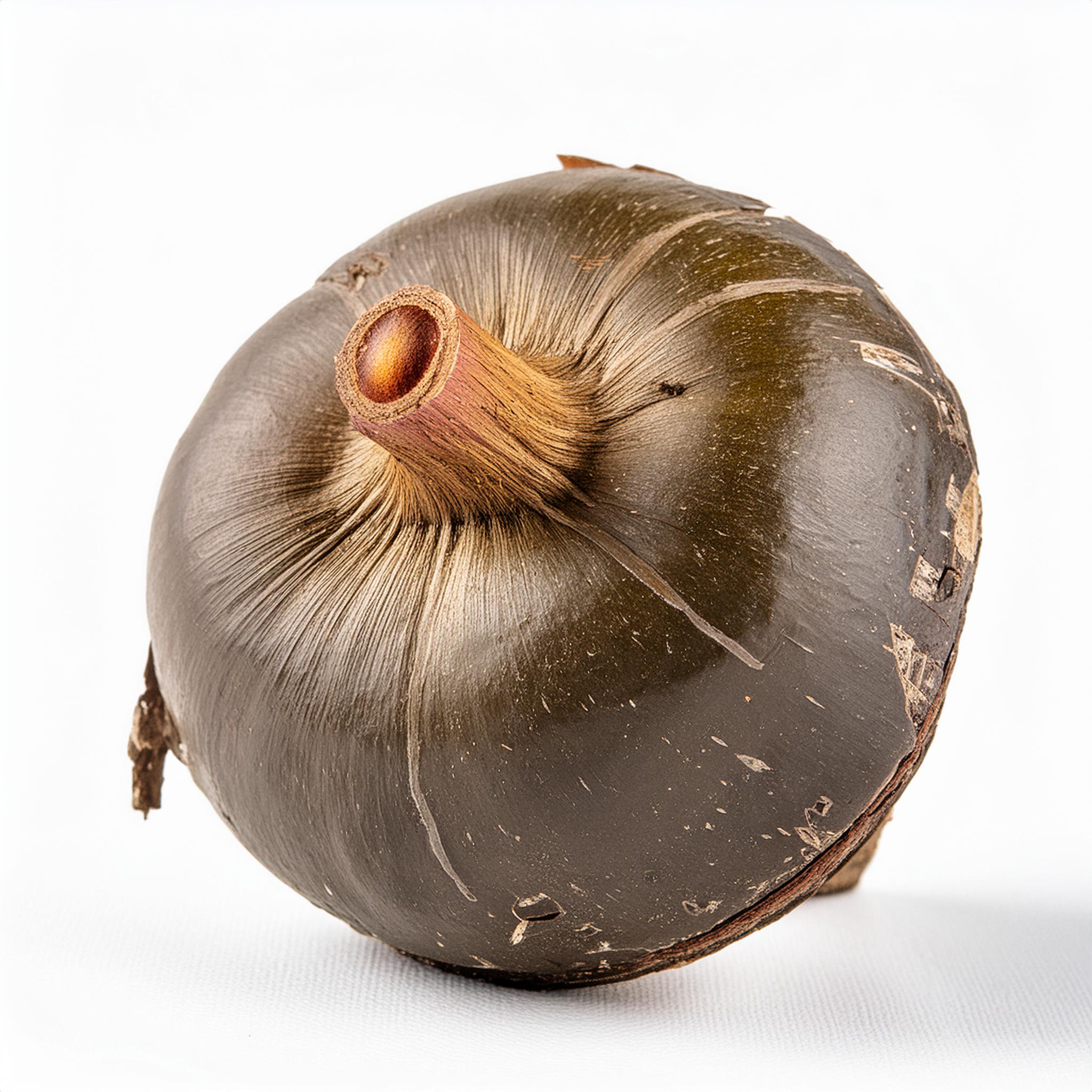
This Palo Santo and Copaiba oil blend pairs two South American essential oils: copaiba, distilled from Amazon tree resin, and palo santo, distilled from aged fallen wood.
Get to know copaiba oil
- Source
- Tree resin and wood
- Origin
- South America
- Extraction
- Steam distilled, blended
- Aroma
- Soft, woody, balsamic
What it is
Copaiba is an aromatic essential oil distilled from the plant.
Why it belongs in your routine
Blend of copaiba resin oil and palo santo wood oil.
How to use
Always dilute in a carrier oil before it touches skin. Never use undiluted. Patch test first.
Where does copaiba oil come from?
This is a blend of two essential oils. Copaiba comes from Copaifera trees, tall hardwoods of the Amazon and northern South America, including Copaifera officinalis in Venezuela and Colombia and related species in Brazil. Copaiba trees can reach 30 metres or more and hold a liquid oleoresin inside the trunk. Palo santo is Bursera graveolens, a smaller tree of the dry coastal forests of Ecuador and Peru, whose wood becomes fragrant as it ages.
Copaiba essential oil is clear to pale yellow with a soft, woody, slightly peppery scent, rich in beta-caryophyllene. Palo santo oil is sweeter and brighter, with citrusy, minty and woody notes that come mainly from limonene and alpha-terpineol. Together they give a warm, balsamic and quietly sweet scent. The blend is used in diffusers, room mists, massage blends and meditation or yoga spaces.
Sourcing & extraction
How copaiba oil is sourced and extracted
Why it is rare
Copaiba resin is tapped from wild forest trees in limited amounts per tree. Palo santo oil is typically taken only from dead wood that has lain on the ground for years, and the tree is protected in Peru, so its supply is tightly controlled.
How it is gathered
Copaiba oleoresin is gathered by forest communities in the Amazon, who drill a hole into the trunk, collect the flowing resin and then plug the hole so the tree can be tapped again later. Palo santo wood is collected in Ecuador and Peru from branches and trunks that have fallen naturally. The wood is left to age for several years, often three or more, before distilling. Each oil is distilled separately and then combined.
How it is made
Steam distilled and blended
- Copaiba resin is tapped from the trunk through a drilled hole and the hole is sealed after collection.
- The copaiba resin is steam distilled, and the volatile essential oil is separated from the heavier resin.
- Fallen palo santo wood is aged for several years, then chipped and steam distilled to give its oil.
- The two essential oils are measured and mixed in set proportions, then filtered and bottled together.
How to use copaiba oil
- Add a few drops to a diffuser for its aroma.
- For skin, dilute 1 to 2 drops in a teaspoon of carrier oil before applying.
- Keep away from eyes and never use undiluted on skin.
For external use only. Patch test on a small area before first use and stop if irritation occurs. If you are pregnant, nursing or have a medical condition, ask a healthcare professional before use.
From ingredient to routine
Products with Copaiba
Find this ingredient in our collection.

Questions about Copaiba
Where does Copaiba come from?
Copaiba oleoresin is gathered by forest communities in the Amazon, who drill a hole into the trunk, collect the flowing resin and then plug the hole so the tree can be tapped again later. Palo santo wood is collected in Ecuador and Peru from branches and trunks that have fallen naturally. The wood is left to age for several years, often three or more, before distilling. Each oil is distilled separately and then combined.
How is Copaiba extracted?
Steam distilled and blended. Copaiba resin is tapped from the trunk through a drilled hole and the hole is sealed after collection. The copaiba resin is steam distilled, and the volatile essential oil is separated from the heavier resin. Fallen palo santo wood is aged for several years, then chipped and steam distilled to give its oil. The two essential oils are measured and mixed in set proportions, then filtered and bottled together.
Why is Copaiba considered rare?
Copaiba resin is tapped from wild forest trees in limited amounts per tree. Palo santo oil is typically taken only from dead wood that has lain on the ground for years, and the tree is protected in Peru, so its supply is tightly controlled.