The Ingredient Library
Ylang Ylang
Cananga odorata
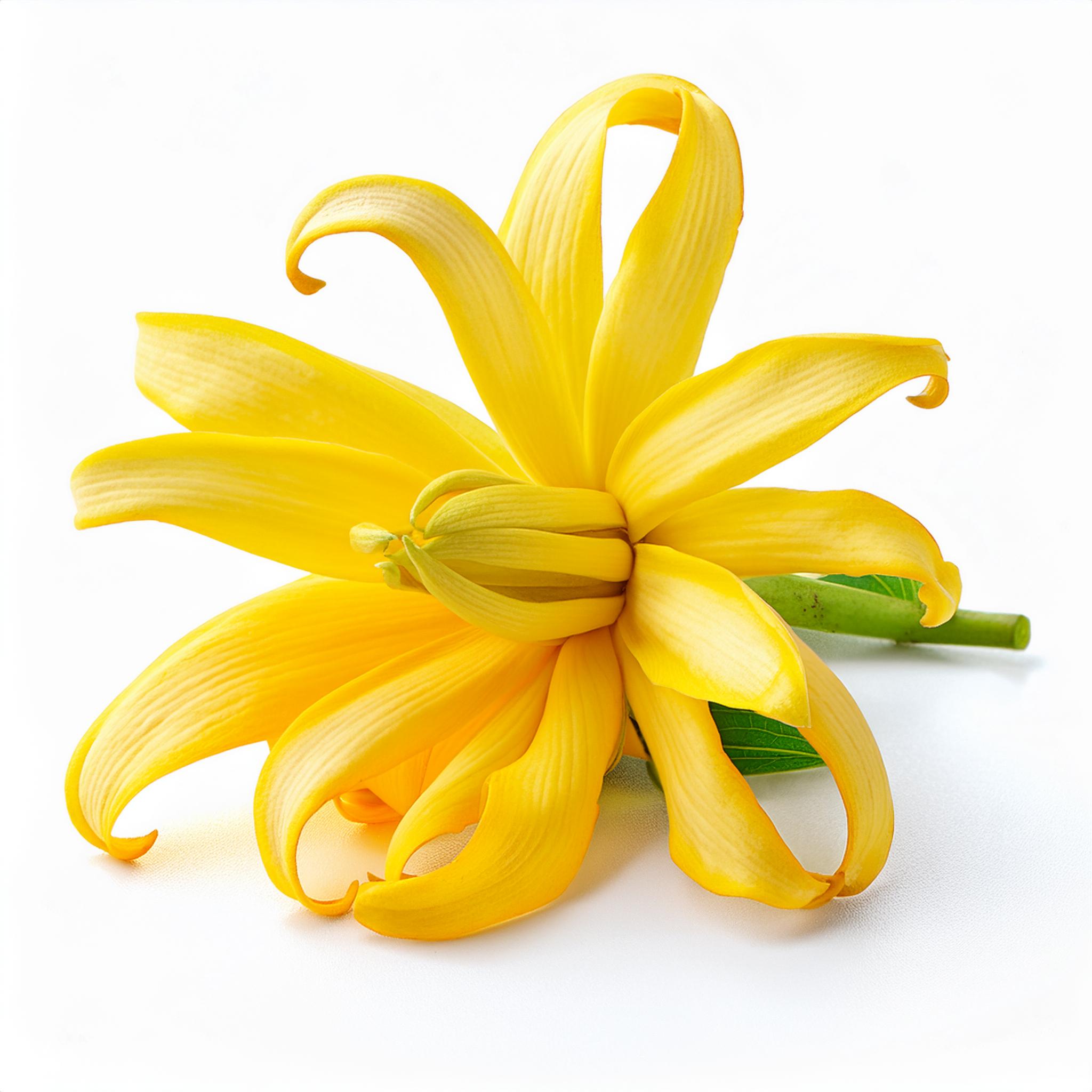
Ylang ylang essential oil is steam-distilled from the yellow flowers of a tropical tree grown mainly in the Comoros and on Madagascar's Nosy Be, and one distillation is split into several graded fractions.
Get to know Ylang Ylang
- Source
- Fresh flowers
- Origin
- Comoros, Madagascar
- Extraction
- Steam-distilled
- Aroma
- Sweet, heady, floral
What it is
Ylang Ylang is an aromatic essential oil distilled from the plant.
Why it belongs in your routine
Sweet floral oil distilled from ylang ylang flowers of the Comoros.
How to use
Always dilute in a carrier oil before it touches skin. Never use undiluted. Patch test first.
Where Ylang Ylang comes from
Ylang ylang is a fast-growing tropical tree of the custard apple family, native to Southeast Asia, from the Philippines to Indonesia. In the wild it can pass 20 metres, but on plantations the trees are pruned to about 2 to 3 metres, with drooping branches, so the flowers can be picked by hand. The long, twisted petals open green and turn deep yellow when they are ready for distilling.
Ylang ylang oil ranges from pale to golden yellow and has a sweet, heady floral scent with fruity and slightly spicy notes. It contains linalool, benzyl acetate, para-cresyl methyl ether, germacrene D and other compounds, in proportions that vary between fractions. It is used in perfumes, body oils, soaps, hair oils and floral blends.
Sourcing & extraction
How Ylang Ylang is sourced and extracted
Why it is rare
Most of the world's ylang ylang comes from a few islands in the Indian Ocean. The flowers must be picked by hand at dawn and distilled the same day, and distillation runs for many hours to collect the full set of fractions.
How it is gathered
Ylang ylang is grown mostly on the islands of Anjouan, Grande Comore and Mohéli in the Comoros, on Mayotte and on Nosy Be off north-western Madagascar. Pickers, often women, typically gather the yellow flowers by hand early in the morning, when the scent is strongest. Flowering continues through much of the year. The flowers are carried in baskets to small village stills, many heated with wood, and distilled the same day.
How it is made
Fractional steam distillation of flowers
- Fully yellow flowers are picked by hand at dawn and taken to the still within hours so the scent is not lost.
- The flowers are loaded into the still with water or steam, and the distillation is run slowly for many hours.
- Oil is collected in timed fractions: the first hour gives Extra, then Grades I, II and III as distillation continues.
- Each fraction is separated from the water and filtered, and some fractions are recombined and sold as complete oil.
How to use Ylang Ylang
- Add a few drops to a diffuser for its aroma.
- For skin, dilute 1 to 2 drops in a teaspoon of carrier oil before applying.
- Keep away from eyes and never use undiluted on skin.
For external use only. Patch test on a small area before first use and stop if irritation occurs. If you are pregnant, nursing or have a medical condition, ask a healthcare professional before use.
From ingredient to routine
Products with Ylang Ylang
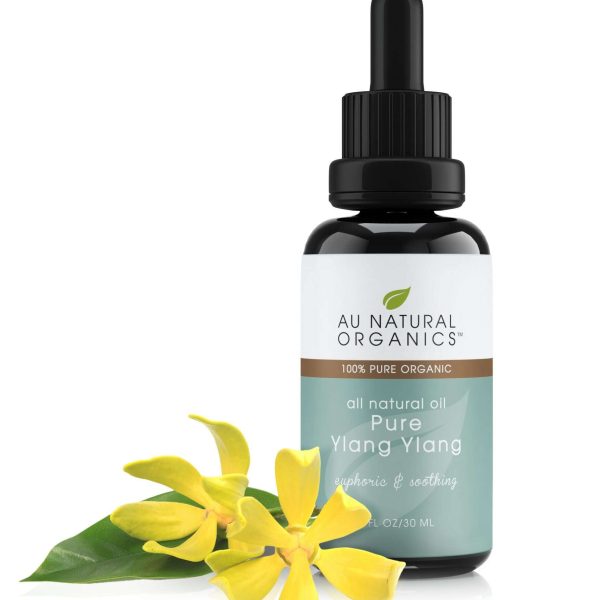
Find this ingredient in our collection.
Questions about Ylang Ylang
Where does Ylang Ylang come from?
Ylang ylang is grown mostly on the islands of Anjouan, Grande Comore and Mohéli in the Comoros, on Mayotte and on Nosy Be off north-western Madagascar. Pickers, often women, typically gather the yellow flowers by hand early in the morning, when the scent is strongest. Flowering continues through much of the year. The flowers are carried in baskets to small village stills, many heated with wood, and distilled the same day.
How is Ylang Ylang extracted?
Fractional steam distillation of flowers. Fully yellow flowers are picked by hand at dawn and taken to the still within hours so the scent is not lost. The flowers are loaded into the still with water or steam, and the distillation is run slowly for many hours. Oil is collected in timed fractions: the first hour gives Extra, then Grades I, II and III as distillation continues. Each fraction is separated from the water and filtered, and some fractions are recombined and sold as complete oil.
Why is Ylang Ylang considered rare?
Most of the world's ylang ylang comes from a few islands in the Indian Ocean. The flowers must be picked by hand at dawn and distilled the same day, and distillation runs for many hours to collect the full set of fractions.