The Ingredient Library
Soursop
Annona muricata
Soursop seed oil is pressed from the black seeds of the tropical soursop fruit, grown across the Caribbean and Latin America, where the seeds are left over once the white pulp has gone into juices.
Get to know Soursop
- Source
- Fruit seeds
- Origin
- Tropical Americas
- Extraction
- Cold-pressed
- Texture
- Light, silky
What it is
Soursop is a botanical carrier oil used in hair and skin care.
Why it belongs in your routine
Light golden oil pressed from the seeds of tropical soursop fruit.
How to use
Warm a few drops between your palms and smooth over hair or skin. Patch test before use.
Where Soursop comes from
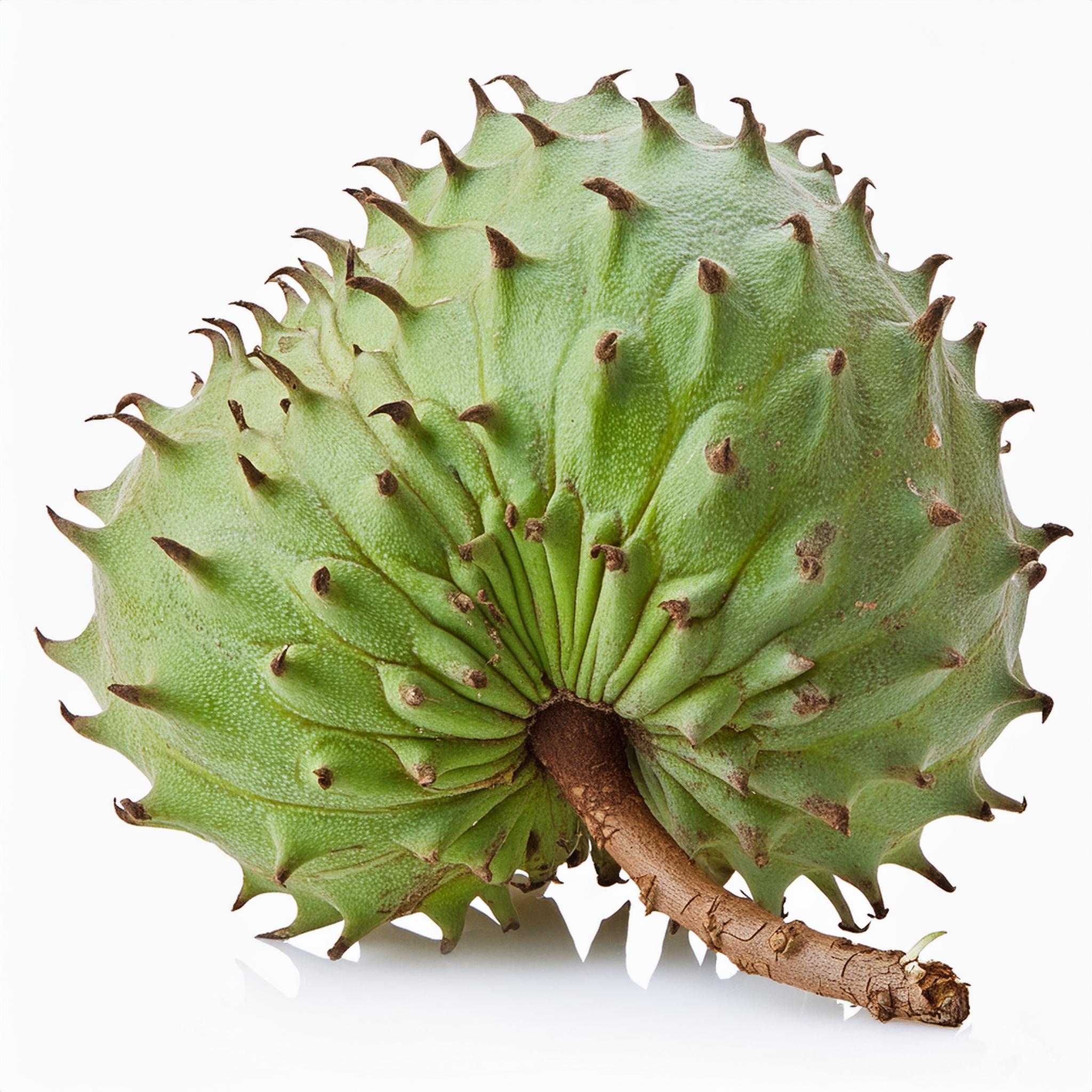
Soursop, also called guanábana or graviola, is a small evergreen tree of the custard apple family that grows to around 5 to 10 metres. It is native to the tropical Americas and the Caribbean and is now grown throughout the tropics. The large, heart-shaped green fruit is covered in soft spines and holds sweet, fibrous white pulp studded with dozens of shiny black seeds.
Soursop oil is light golden with a mild, faintly nutty smell. It is made up largely of oleic and linoleic acids, with smaller amounts of palmitic acid, which gives it a silky, medium feel that absorbs without much residue. It is used in face oils, hair oils, lotions and soaps.
Sourcing & extraction
How Soursop is sourced and extracted
Why it is rare
Soursop seed oil is a by-product of fruit processing, so supply depends on how much pulp is processed in a given season. The seeds are small, hard-coated and must be cleaned, dried and pressed separately, and only a modest amount of oil comes from each batch.
How it is gathered
Soursop fruit is grown on smallholdings and in home gardens in countries such as Mexico, Brazil, Colombia, Peru and the Caribbean islands. Farmers typically pick the fruit while still firm and let it ripen off the tree, since it softens and bruises quickly. Fruit processors scoop out the pulp for juice, ice cream and frozen purée, and the black seeds that remain are washed, dried and sent to be pressed for oil.
How it is made
Cold-pressed from the seeds
- Seeds left over from soursop pulp processing are washed to remove the remaining fibre and fruit sugars.
- They are dried in the sun or in low-heat dryers until the moisture content is low enough for pressing.
- The dried seeds are fed into an expeller press that crushes them and squeezes out the oil without added solvents.
- The oil is allowed to settle and is then filtered to remove fine seed particles before bottling.
How to use Soursop
- Start with a few drops and warm them between your palms.
- Massage into clean skin, or work through the lengths of damp or dry hair.
- Use on its own, or add a few drops to your moisturizer or conditioner.
For external use only. Patch test on a small area before first use and stop if irritation occurs. If you are pregnant, nursing or have a medical condition, ask a healthcare professional before use.
From ingredient to routine
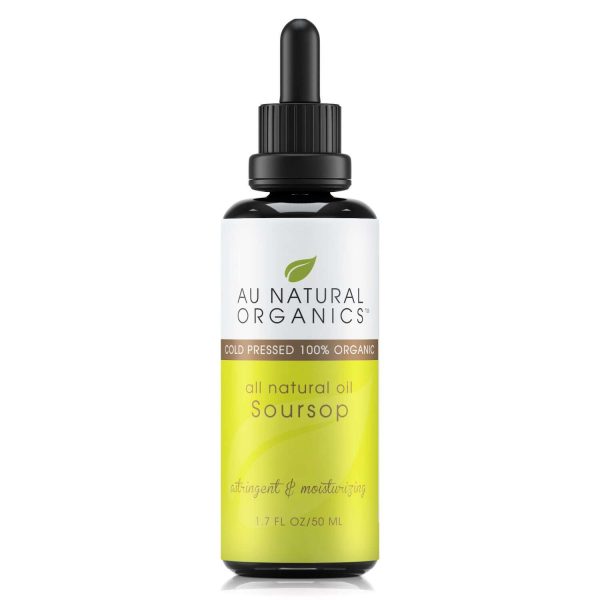
Products with Soursop
Find this ingredient in our collection.
Questions about Soursop
Where does Soursop come from?
Soursop fruit is grown on smallholdings and in home gardens in countries such as Mexico, Brazil, Colombia, Peru and the Caribbean islands. Farmers typically pick the fruit while still firm and let it ripen off the tree, since it softens and bruises quickly. Fruit processors scoop out the pulp for juice, ice cream and frozen purée, and the black seeds that remain are washed, dried and sent to be pressed for oil.
How is Soursop extracted?
Cold-pressed from the seeds. Seeds left over from soursop pulp processing are washed to remove the remaining fibre and fruit sugars. They are dried in the sun or in low-heat dryers until the moisture content is low enough for pressing. The dried seeds are fed into an expeller press that crushes them and squeezes out the oil without added solvents. The oil is allowed to settle and is then filtered to remove fine seed particles before bottling.
Why is Soursop considered rare?
Soursop seed oil is a by-product of fruit processing, so supply depends on how much pulp is processed in a given season. The seeds are small, hard-coated and must be cleaned, dried and pressed separately, and only a modest amount of oil comes from each batch.