The Ingredient Library
Apple Seed
Malus domestica
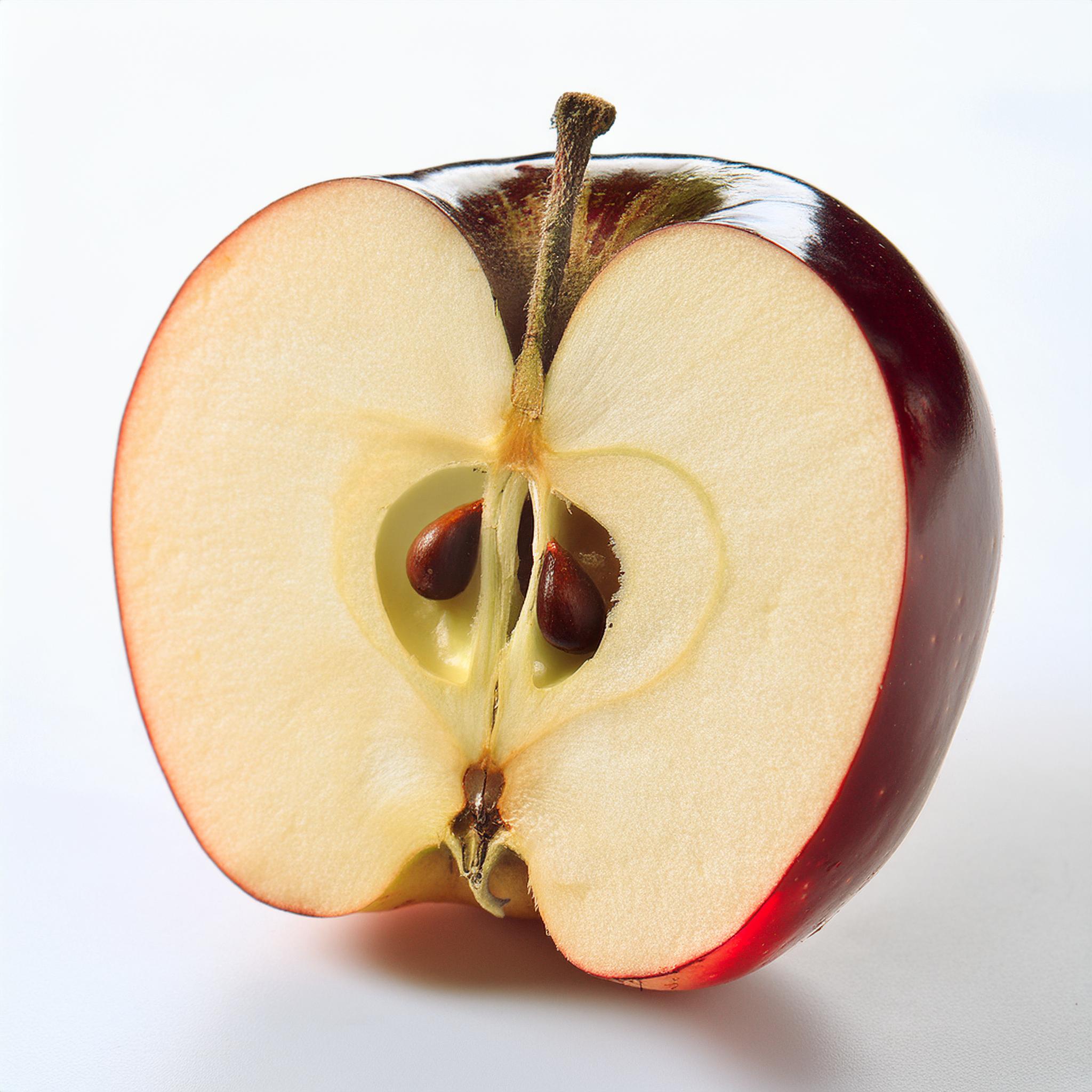
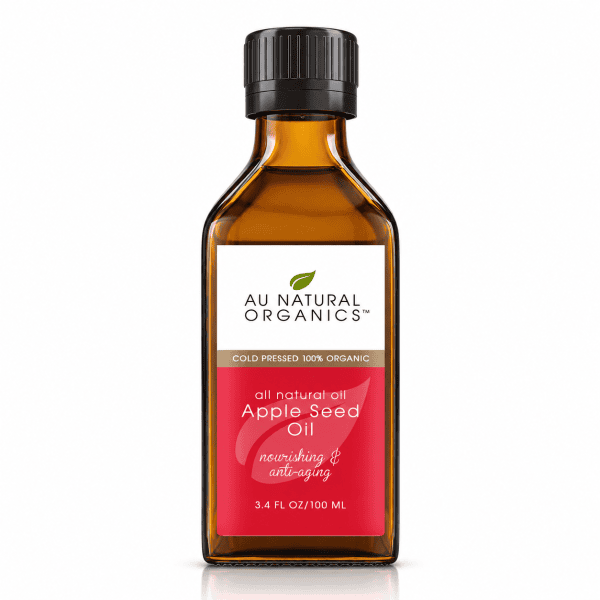
Apple seed oil is cold-pressed from pips recovered from apple pomace left over after juice and cider making, and it carries a faint marzipan scent from the seeds.
Get to know apple seed oil
- Source
- Seed (pip)
- Origin
- European orchards
- Extraction
- Cold-pressed
- Texture
- Light, silky
What it is
Apple Seed is a botanical carrier oil used in hair and skin care.
Why it belongs in your routine
Light, almond-scented oil pressed from apple pips left after juicing.
How to use
Warm a few drops between your palms and smooth over hair or skin. Patch test before use.
Where does apple seed oil come from?
Apple seed oil comes from the pips of the cultivated apple, Malus domestica (older name Pyrus malus), a fruit tree of the rose family grown in temperate orchards around the world. Apple trees are usually kept to three to five metres for easy picking, and each fruit holds five seed chambers with one or two small, shiny brown pips in each. Most apple seed oil is made in Europe, where the juice and cider trade produces large amounts of pomace.
The oil is pale golden with a soft, sweet, almond or marzipan-like smell. Linoleic acid usually makes up about half of its fatty acids, with oleic acid next, and it naturally contains vitamin E. It feels light and absorbs quickly with a silky finish, and is used in face oils, serums, lip products and hair oils.
Sourcing & extraction
How apple seed oil is sourced and extracted
Why it is rare
A single apple holds only a few tiny pips, and they make up a very small share of the pomace left after pressing. Separating them from skins and pulp takes sieving and drying, so large volumes of fruit waste give only a modest amount of seed.
How it is gathered
Apples are picked in late summer and autumn and pressed for juice, cider and purée. What remains is pomace, a wet mix of skins, cores and pips. Specialist processors dry this pomace and pass it through sieves and air separators to recover the pips. The clean pips are stored dry and then sent to small oil mills, which press them through the rest of the year.
How it is made
Cold-pressed from the pips
- Wet pomace from juice or cider presses is dried so the pips can be separated from skins and pulp.
- Sieves and air currents pull the small, heavy pips away from the lighter dried fruit material.
- Cleaned pips are pressed at low temperature in a screw press, releasing a pale golden oil.
- The oil is settled and filtered to remove seed fragments, then bottled away from light.
How to use apple seed oil
- Start with a few drops and warm them between your palms.
- Massage into clean skin, or work through the lengths of damp or dry hair.
- Use on its own, or add a few drops to your moisturizer or conditioner.
For external use only. Patch test on a small area before first use and stop if irritation occurs. If you are pregnant, nursing or have a medical condition, ask a healthcare professional before use.
From ingredient to routine
Products with Apple Seed
Find this ingredient in our collection.
Questions about Apple Seed
Where does Apple Seed come from?
Apples are picked in late summer and autumn and pressed for juice, cider and purée. What remains is pomace, a wet mix of skins, cores and pips. Specialist processors dry this pomace and pass it through sieves and air separators to recover the pips. The clean pips are stored dry and then sent to small oil mills, which press them through the rest of the year.
How is Apple Seed extracted?
Cold-pressed from the pips. Wet pomace from juice or cider presses is dried so the pips can be separated from skins and pulp. Sieves and air currents pull the small, heavy pips away from the lighter dried fruit material. Cleaned pips are pressed at low temperature in a screw press, releasing a pale golden oil. The oil is settled and filtered to remove seed fragments, then bottled away from light.
Why is Apple Seed considered rare?
A single apple holds only a few tiny pips, and they make up a very small share of the pomace left after pressing. Separating them from skins and pulp takes sieving and drying, so large volumes of fruit waste give only a modest amount of seed.