The Ingredient Library
Pequi
Caryocar brasiliense
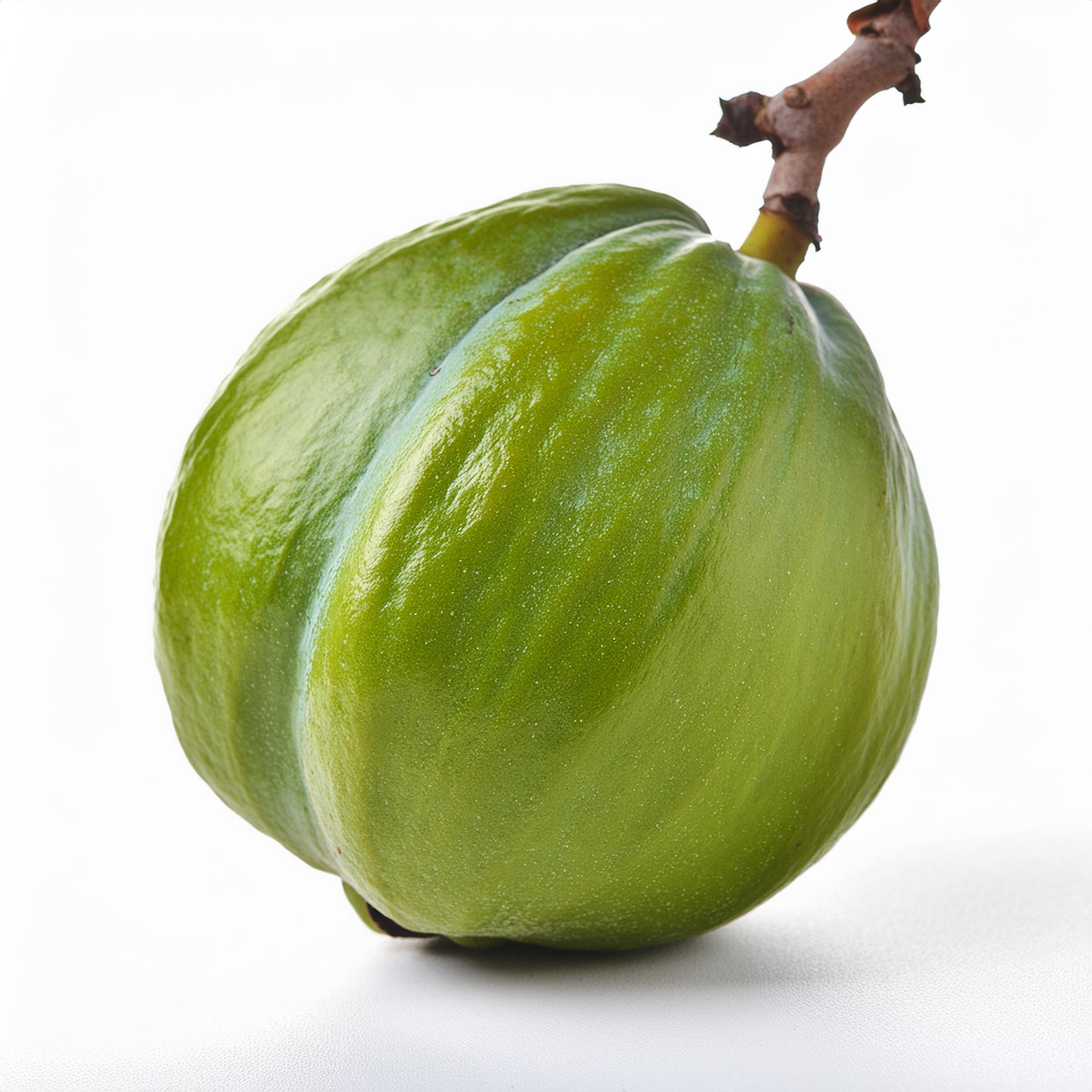
Pequi oil comes from the deep orange fruit pulp of Caryocar brasiliense, a wild tree of Brazil's Cerrado savanna. Fruit is gathered from the ground after it falls during the summer rains.
Get to know pequi oil
- Source
- Fruit pulp
- Origin
- Cerrado, Brazil
- Extraction
- Pressed or boiled
- Texture
- Rich, semi-solid when cool
What it is
Pequi is a botanical carrier oil used in hair and skin care.
Why it belongs in your routine
Rich orange oil from the fruit pulp of the wild Cerrado pequi tree.
How to use
Warm a few drops between your palms and smooth over hair or skin. Patch test before use.
Where does pequi oil come from?
Pequi oil comes from Caryocar brasiliense, a slow-growing, twisted-trunk tree of the Cerrado, the vast tropical savanna of central Brazil covering states such as Goiás, Minas Gerais and Mato Grosso. It usually grows 6 to 10 metres tall. Its green, orange-sized fruits hold one to four seeds, each wrapped in a layer of bright yellow-orange pulp over a woody pit covered in sharp, fine spines.
The oil is deep yellow to orange, coloured by natural carotenoids, and has a strong, fruity, slightly cheese-like smell. It is mainly made of oleic and palmitic acids, which make it rich and often semi-solid at cooler temperatures. In cosmetics it is used in hair oils and masks, body butters, balms and soaps, where it adds richness and colour.
Sourcing & extraction
How pequi oil is sourced and extracted
Why it is rare
Pequi trees are almost entirely wild and fruit only once a year. The pulp is a thin layer over a spiny pit, so separating it takes careful hand work, and the fruit spoils within days of falling.
How it is gathered
Pequi is gathered by rural and extractivist families across the Cerrado during the fruiting season, usually from around November to February, when the rains come. The ripe fruits fall to the ground by themselves and are collected there, never picked from the tree. Families remove the green outer skin, keep the orange seeds, and sell them at roadside stands and local markets or to community processing units, where the pulp is scraped off and turned into oil.
How it is made
Pressed from the fruit pulp
- Fallen pequi fruits are collected and the green outer husk is removed to free the orange-coated seeds.
- The seeds are often boiled, and the pulp is then scraped away from the spiny pit by hand, taking care to avoid the spines.
- The pulp is dried and pressed, or traditionally boiled in water so the oil rises to the surface and can be skimmed off.
- The oil is settled and filtered to remove water and fibre, then bottled.
How to use pequi oil
- Start with a few drops and warm them between your palms.
- Massage into clean skin, or work through the lengths of damp or dry hair.
- Use on its own, or add a few drops to your moisturizer or conditioner.
For external use only. Patch test on a small area before first use and stop if irritation occurs. If you are pregnant, nursing or have a medical condition, ask a healthcare professional before use.
From ingredient to routine
Products with Pequi
Find this ingredient in our collection.

Questions about Pequi
Where does Pequi come from?
Pequi is gathered by rural and extractivist families across the Cerrado during the fruiting season, usually from around November to February, when the rains come. The ripe fruits fall to the ground by themselves and are collected there, never picked from the tree. Families remove the green outer skin, keep the orange seeds, and sell them at roadside stands and local markets or to community processing units, where the pulp is scraped off and turned into oil.
How is Pequi extracted?
Pressed from the fruit pulp. Fallen pequi fruits are collected and the green outer husk is removed to free the orange-coated seeds. The seeds are often boiled, and the pulp is then scraped away from the spiny pit by hand, taking care to avoid the spines. The pulp is dried and pressed, or traditionally boiled in water so the oil rises to the surface and can be skimmed off. The oil is settled and filtered to remove water and fibre, then bottled.
Why is Pequi considered rare?
Pequi trees are almost entirely wild and fruit only once a year. The pulp is a thin layer over a spiny pit, so separating it takes careful hand work, and the fruit spoils within days of falling.