The Ingredient Library
Pomegranate
Punica granatum
Pomegranate seed oil is pressed from the small woody seeds left after pomegranates are juiced, mainly in Turkey, India and Iran. It is one of the few oils rich in punicic acid.
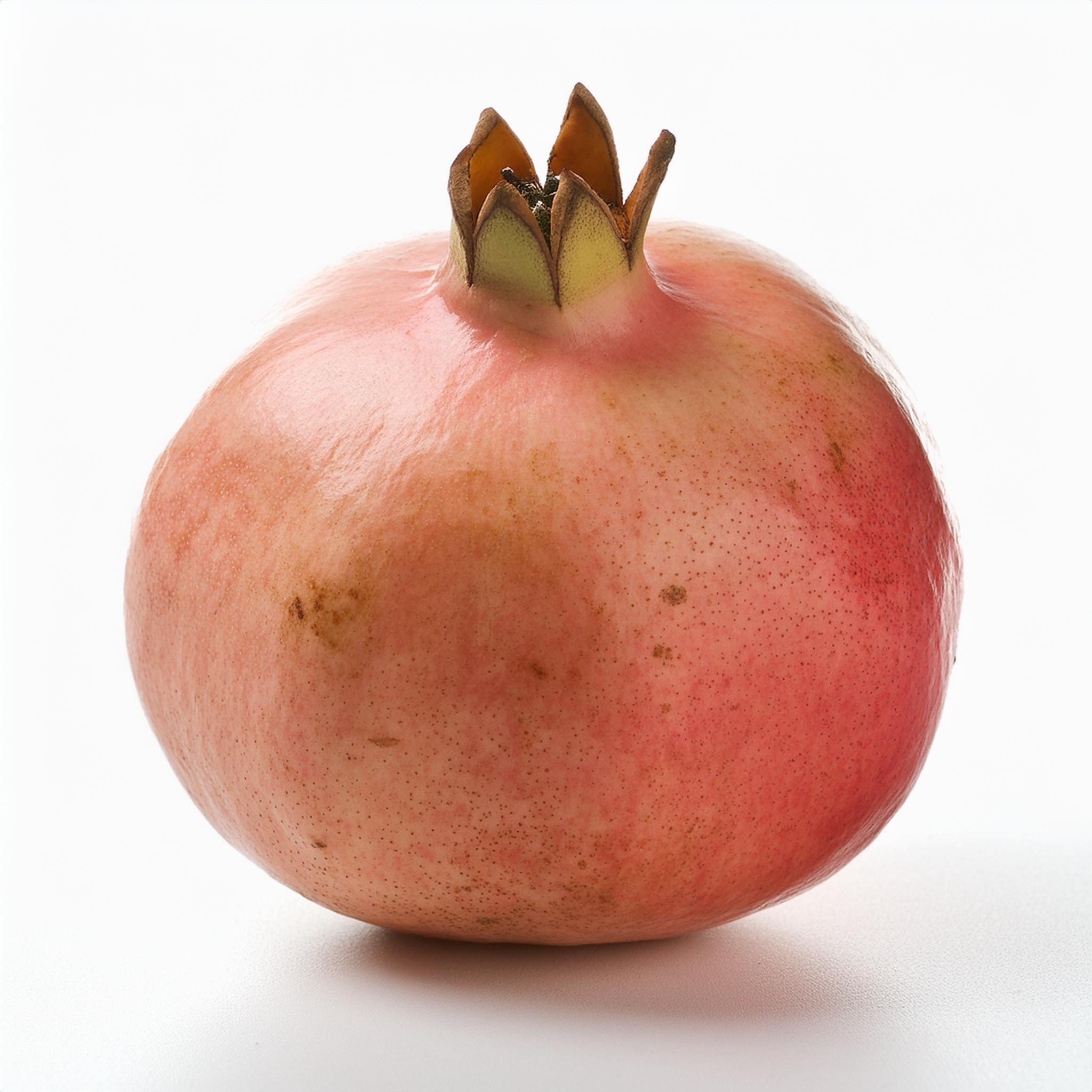
Get to know Pomegranate
- Source
- Seed
- Origin
- Turkey, India, Iran
- Extraction
- Cold-pressed or CO2
- Texture
- Rich, slightly tacky
What it is
Pomegranate is a botanical carrier oil used in hair and skin care.
Why it belongs in your routine
Rich seed oil from juiced pomegranates, naturally high in punicic acid.
How to use
Warm a few drops between your palms and smooth over hair or skin. Patch test before use.
Where Pomegranate comes from
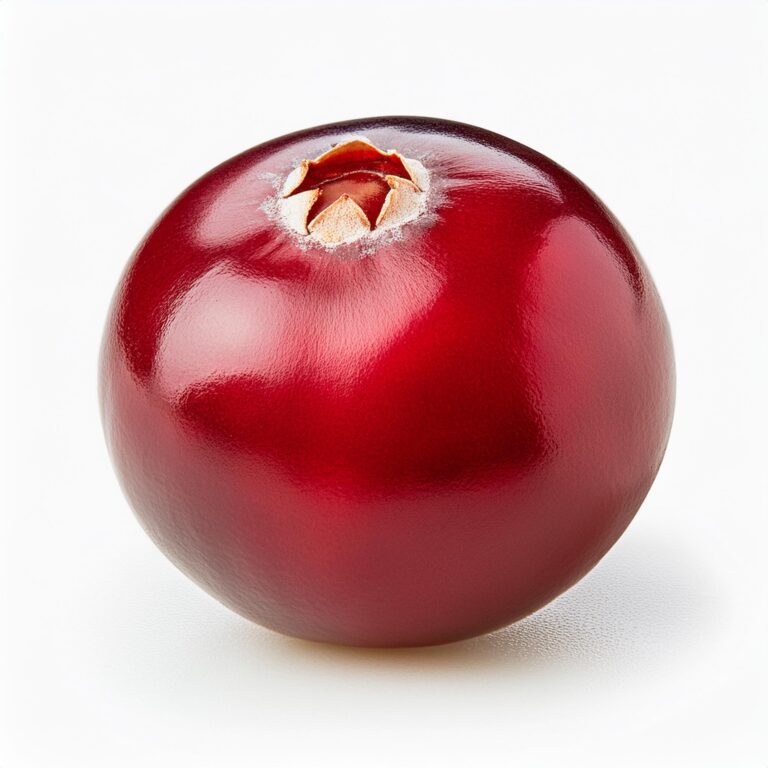
Pomegranate seed oil comes from Punica granatum, a shrub or small tree that grows 5 to 10 metres tall, with glossy narrow leaves and bright red-orange flowers. It is native to the region from Iran to northern India and has been grown around the Mediterranean for thousands of years. Its leathery fruit is packed with hundreds of seeds, each wrapped in a juicy red aril.
The oil is pale yellow and has a mild, faintly fruity scent. Its most unusual component is punicic acid, a conjugated fatty acid that typically makes up around two thirds or more of the oil and is found in very few other plants. It feels rich and slightly tacky, so it is often used at a low percentage in face oils, serums, creams and balms.
Sourcing & extraction
How Pomegranate is sourced and extracted
Why it is rare
The small seed inside each aril holds only a modest amount of oil, so a large weight of fruit is needed to fill a single bottle. The seeds come from the juice industry and must be dried quickly to keep the oil fresh.
How it is gathered
Pomegranates are harvested by hand in autumn, from about September to November, in orchards across Turkey, India, Iran and other warm, dry regions. Most of the crop is eaten fresh or pressed for juice. At juicing plants, the seeds are separated from the arils and pulp, washed and dried. The dried seeds are then sold to oil producers, who press them or extract them with CO2.
How it is made
Cold-pressed or CO2-extracted
- After juicing, the pomegranate seeds are separated from the pulp and membranes and washed.
- The seeds are dried carefully to a low moisture level so they store well and press cleanly.
- The dried seeds are either cold-pressed in a screw press or extracted with supercritical CO2.
- The resulting oil is settled and filtered, then bottled in dark glass to protect its delicate fatty acids.
How to use Pomegranate
- Start with a few drops and warm them between your palms.
- Massage into clean skin, or work through the lengths of damp or dry hair.
- Use on its own, or add a few drops to your moisturizer or conditioner.
For external use only. Patch test on a small area before first use and stop if irritation occurs. If you are pregnant, nursing or have a medical condition, ask a healthcare professional before use.
From ingredient to routine
Products with Pomegranate
Find this ingredient in our collection.

Questions about Pomegranate
Where does Pomegranate come from?
Pomegranates are harvested by hand in autumn, from about September to November, in orchards across Turkey, India, Iran and other warm, dry regions. Most of the crop is eaten fresh or pressed for juice. At juicing plants, the seeds are separated from the arils and pulp, washed and dried. The dried seeds are then sold to oil producers, who press them or extract them with CO2.
How is Pomegranate extracted?
Cold-pressed or CO2-extracted. After juicing, the pomegranate seeds are separated from the pulp and membranes and washed. The seeds are dried carefully to a low moisture level so they store well and press cleanly. The dried seeds are either cold-pressed in a screw press or extracted with supercritical CO2. The resulting oil is settled and filtered, then bottled in dark glass to protect its delicate fatty acids.
Why is Pomegranate considered rare?
The small seed inside each aril holds only a modest amount of oil, so a large weight of fruit is needed to fill a single bottle. The seeds come from the juice industry and must be dried quickly to keep the oil fresh.