The Ingredient Library
Muru Muru
Astrocaryum murumuru
Murumuru butter is the pale fat pressed from the kernel of a spiny Amazon palm, gathered from the forest floor by river communities in Brazil when the fruit falls.
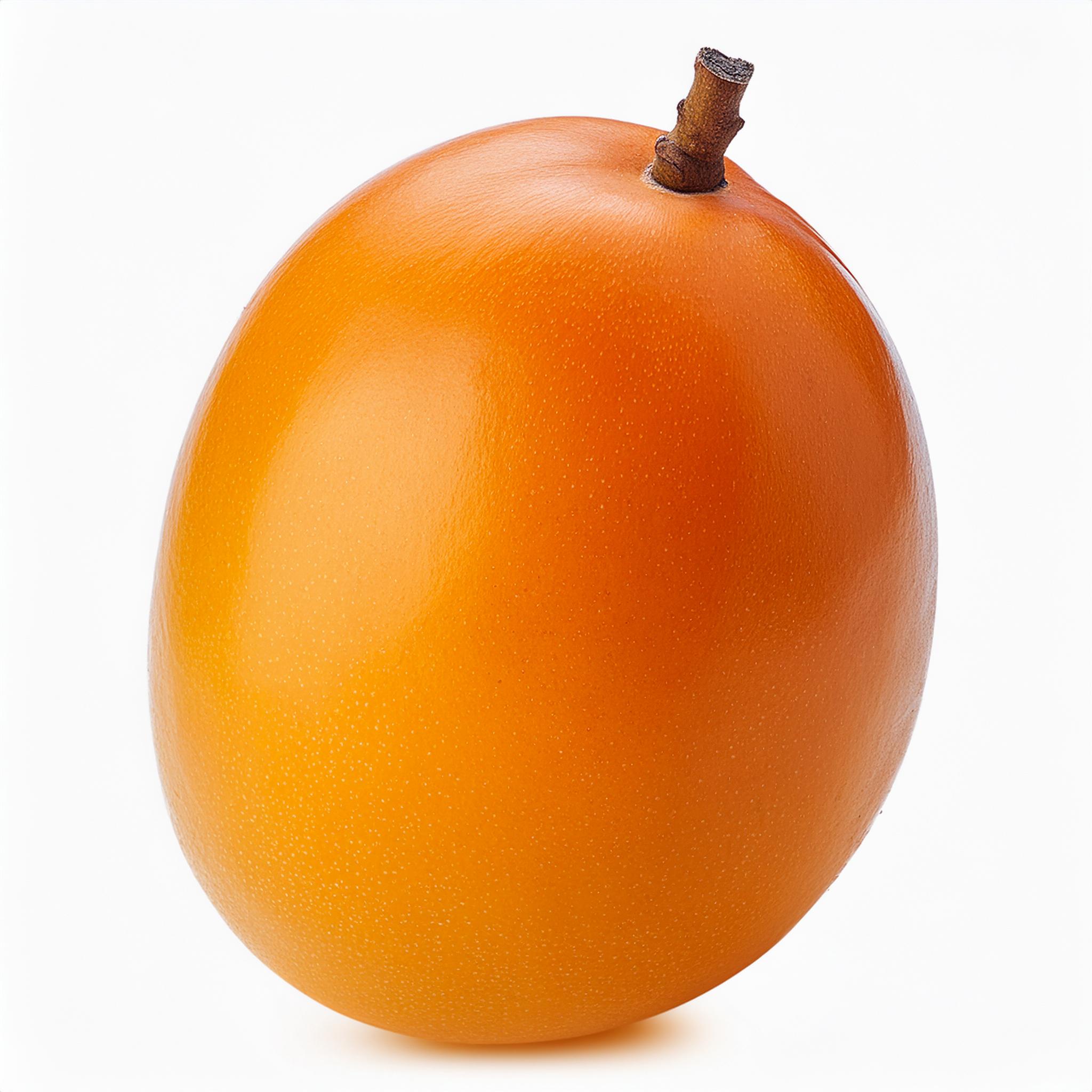
Get to know murumuru butter
- Source
- Palm nut kernel
- Origin
- Brazilian Amazon
- Extraction
- Pressed from kernel
- Texture
- Firm, smooth, non-greasy
What it is
Muru Muru is a rich plant butter used in body and hair care.
Why it belongs in your routine
Firm, smooth kernel butter from the spiny Amazonian murumuru palm.
How to use
Warm a small amount between your fingertips until it melts, then apply to dry areas.
Where does murumuru butter come from?
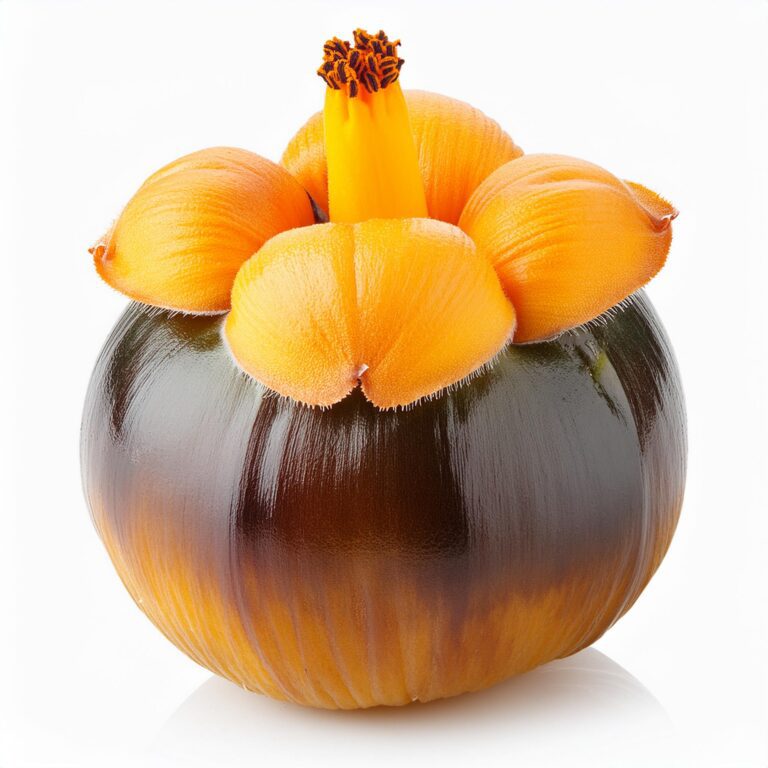
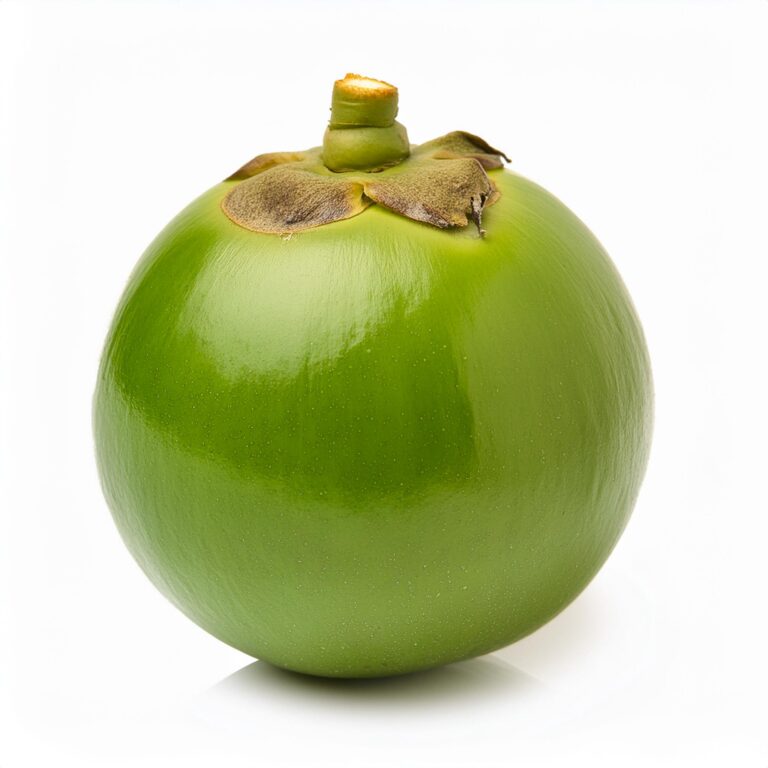
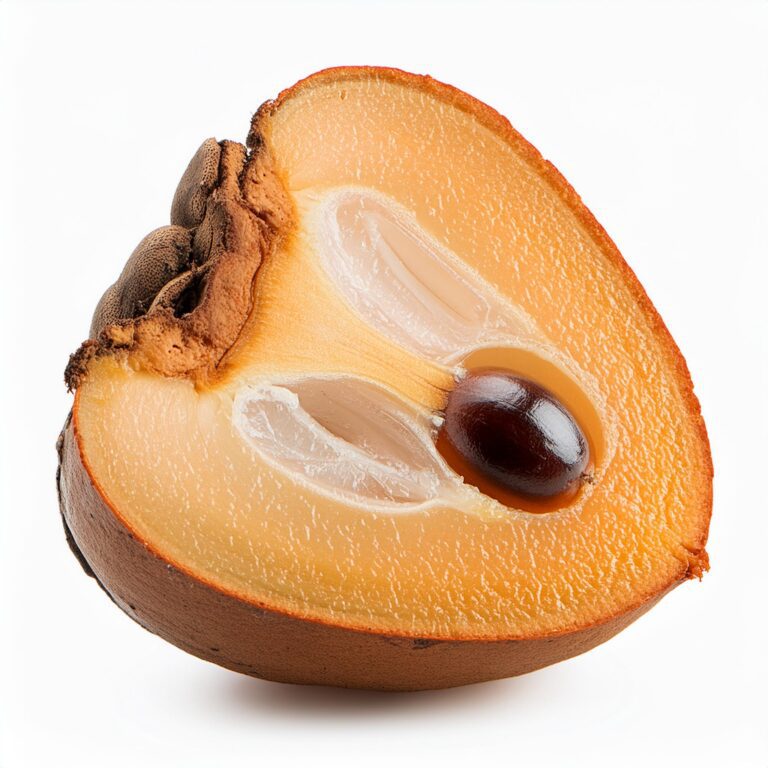
The murumuru palm, Astrocaryum murumuru, grows in the Amazon basin, especially on seasonally flooded land along rivers in Brazil, Peru and Bolivia. It reaches around 8 to 10 metres, and its trunk, leaves and fruit stalks are covered in long, sharp black spines. The yellow fruits hang in heavy clusters, and each one holds a hard nut with an oily white kernel.
Murumuru butter is white to pale yellow and fairly firm, with little scent. Like other Amazonian palm fats, it is rich in lauric and myristic acids, which gives a smooth, non-greasy feel as it melts on the skin. It is used in hair masks, conditioners, lip balms and body butters, where it conditions and adds shine to hair.
Sourcing & extraction
How murumuru butter is sourced and extracted
Why it is rare
The spines make the palm hard to climb, so fruit is gathered only once it has fallen, and much of it lies on land that floods for part of the year. All harvest is from wild palms, and the nuts must be cracked to reach the kernel.
How it is gathered
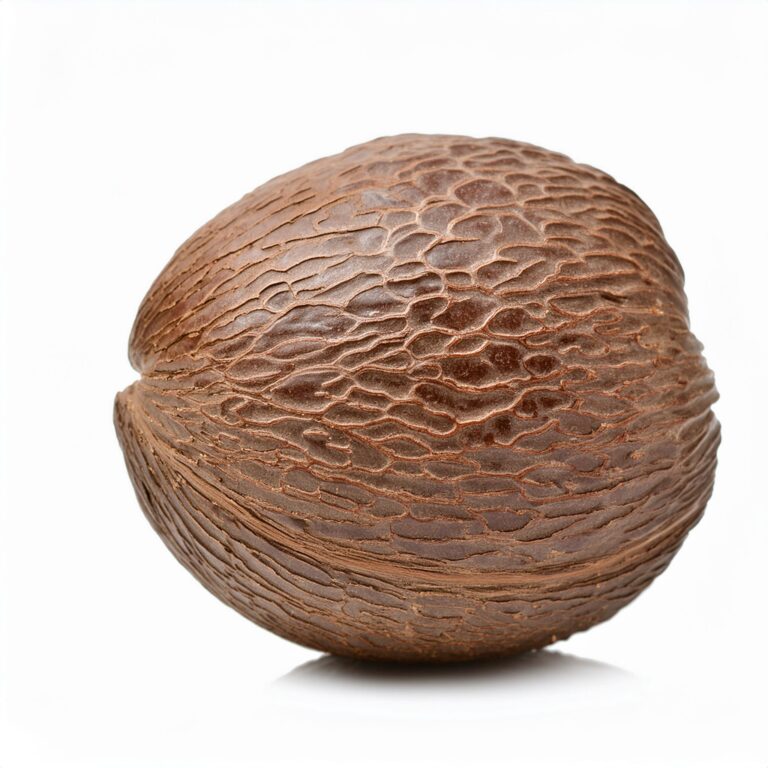
In the Brazilian states of Pará and Amazonas, murumuru fruits drop during the rainy season, usually in the first months of the year. Riverside families collect them from the ground, often by canoe where the forest is flooded. The fruits are left to dry so the pulp falls away, the nuts are cracked, and the kernels are dried again before being sold to regional processors who press the butter.
How it is made
Pressed from the dried kernel
- Fallen murumuru fruits are gathered from the forest floor or flooded forest, often by canoe.
- The fruits are dried, the pulp is removed, and the hard nuts are cracked to free the kernels.
- The kernels are sun-dried or oven-dried, then ground into a coarse meal.
- The meal is heated gently and pressed, and the fat is filtered and poured into moulds to set.
How to use murumuru butter
- Scoop a small amount and warm it between your fingertips.
- Massage into dry areas such as elbows, hands and feet, or the ends of your hair.
- Use it as a base for homemade balms and body butters.
For external use only. Patch test on a small area before first use and stop if irritation occurs. If you are pregnant, nursing or have a medical condition, ask a healthcare professional before use.
From ingredient to routine
Products with Muru Muru
Find this ingredient in our collection.

Questions about Muru Muru
Where does Muru Muru come from?
In the Brazilian states of Pará and Amazonas, murumuru fruits drop during the rainy season, usually in the first months of the year. Riverside families collect them from the ground, often by canoe where the forest is flooded. The fruits are left to dry so the pulp falls away, the nuts are cracked, and the kernels are dried again before being sold to regional processors who press the butter.
How is Muru Muru extracted?
Pressed from the dried kernel. Fallen murumuru fruits are gathered from the forest floor or flooded forest, often by canoe. The fruits are dried, the pulp is removed, and the hard nuts are cracked to free the kernels. The kernels are sun-dried or oven-dried, then ground into a coarse meal. The meal is heated gently and pressed, and the fat is filtered and poured into moulds to set.
Why is Muru Muru considered rare?
The spines make the palm hard to climb, so fruit is gathered only once it has fallen, and much of it lies on land that floods for part of the year. All harvest is from wild palms, and the nuts must be cracked to reach the kernel.