The Ingredient Library
Red Raspberry
Rubus idaeus
Red raspberry seed oil is cold-pressed from the tiny seeds left over when raspberries are made into juice and purée, mainly in Europe and Chile. It is high in linoleic and alpha-linolenic acids.
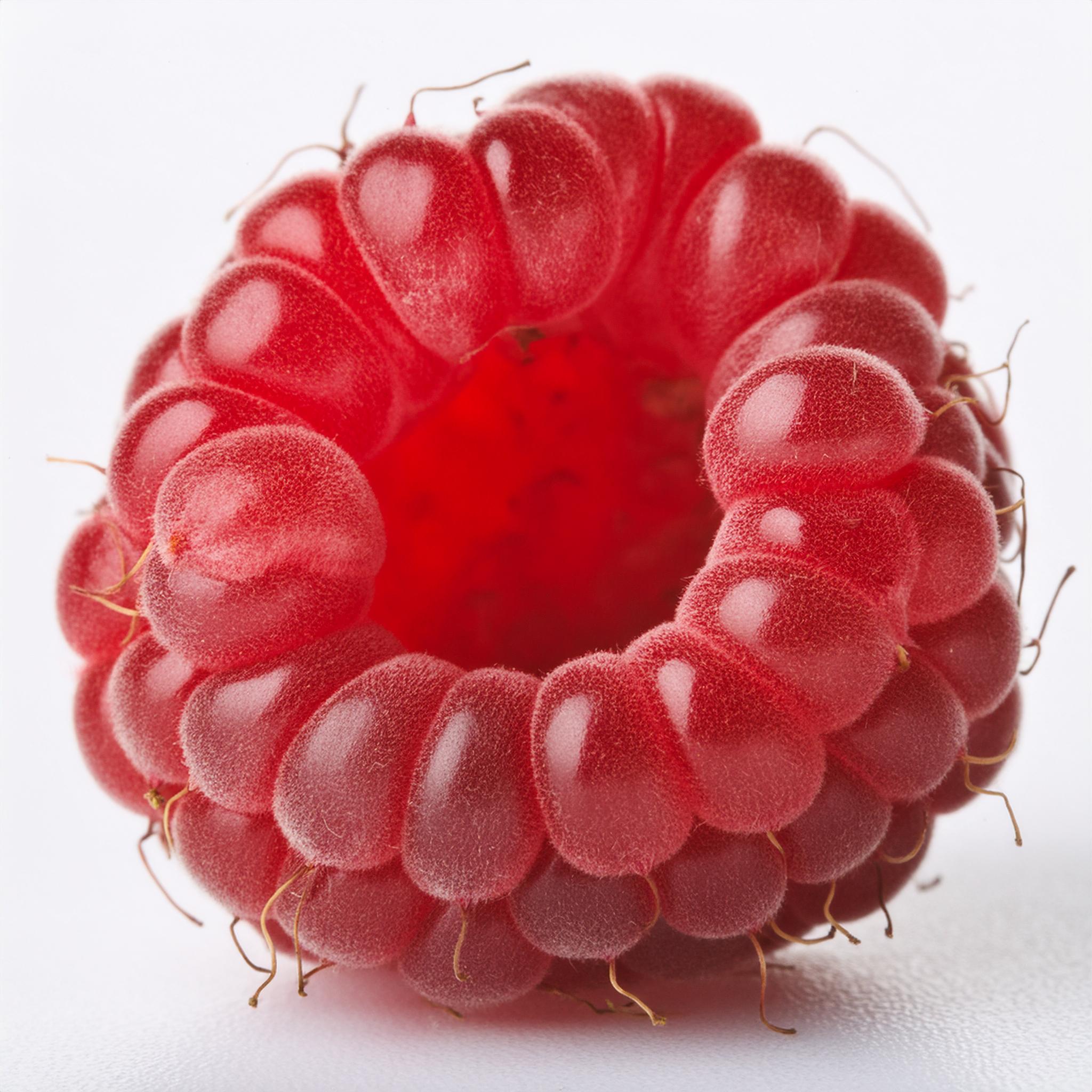
Get to know Red Raspberry
- Source
- Fruit seed
- Origin
- Europe, Chile, N. America
- Extraction
- Cold-pressed
- Texture
- Light, smooth
What it is
Red Raspberry is a botanical carrier oil used in hair and skin care.
Why it belongs in your routine
Light seed oil pressed from raspberry pips left after fruit processing.
How to use
Warm a few drops between your palms and smooth over hair or skin. Patch test before use.
Where Red Raspberry comes from
Red raspberry seed oil comes from Rubus idaeus, a deciduous shrub with prickly, arching canes up to about 2 metres tall and leaves that are pale and downy underneath. Native to Europe and northern Asia, it is now grown widely in cool-temperate regions. Serbia and Poland are major European growers, and Chile, the United States and Canada also produce large crops of the soft red fruit.
Raspberry seed oil is golden to amber and has a faint fruity smell. It usually contains around 50 percent linoleic acid and 25 to 30 percent alpha-linolenic acid, along with vitamin E and carotenoids. It feels light and smooth and absorbs well, so it appears in face oils, serums, lip products and light creams.
Sourcing & extraction
How Red Raspberry is sourced and extracted
Why it is rare
Each raspberry has dozens of tiny seeds, but together they make up only a few percent of the fruit's weight. A large volume of fruit waste has to be collected and sieved to gather enough seed for pressing, and the oil is delicate.
How it is gathered
Raspberries are picked by hand or machine in summer, usually from June to August in Europe and in the southern summer in Chile. Most of the crop is frozen or processed into juice, purée and seedless jam. At processing plants, the seeds are sieved out of the pulp as a by-product, washed and dried. The dried seed is then sold on to specialist oil presses.
How it is made
Cold-pressed from the seed
- Seeds are sieved from raspberry pulp after juicing or purée making and washed to remove fruit residue.
- The seeds are dried at low temperature so they keep and press well.
- The dried seeds are pressed in a screw press without added heat to release the oil.
- The oil is settled, filtered and bottled, often under nitrogen or in dark glass to slow oxidation.
How to use Red Raspberry
- Start with a few drops and warm them between your palms.
- Massage into clean skin, or work through the lengths of damp or dry hair.
- Use on its own, or add a few drops to your moisturizer or conditioner.
For external use only. Patch test on a small area before first use and stop if irritation occurs. If you are pregnant, nursing or have a medical condition, ask a healthcare professional before use.
From ingredient to routine
Products with Red Raspberry
Find this ingredient in our collection.

Questions about Red Raspberry
Where does Red Raspberry come from?
Raspberries are picked by hand or machine in summer, usually from June to August in Europe and in the southern summer in Chile. Most of the crop is frozen or processed into juice, purée and seedless jam. At processing plants, the seeds are sieved out of the pulp as a by-product, washed and dried. The dried seed is then sold on to specialist oil presses.
How is Red Raspberry extracted?
Cold-pressed from the seed. Seeds are sieved from raspberry pulp after juicing or purée making and washed to remove fruit residue. The seeds are dried at low temperature so they keep and press well. The dried seeds are pressed in a screw press without added heat to release the oil. The oil is settled, filtered and bottled, often under nitrogen or in dark glass to slow oxidation.
Why is Red Raspberry considered rare?
Each raspberry has dozens of tiny seeds, but together they make up only a few percent of the fruit's weight. A large volume of fruit waste has to be collected and sieved to gather enough seed for pressing, and the oil is delicate.