The Ingredient Library
Barbary Fig
Opuntia ficus-indica
Barbary fig seed oil, also called prickly pear seed oil, is cold-pressed from the tiny seeds of cactus fruit in Morocco; about a tonne of fruit is needed for a single litre.
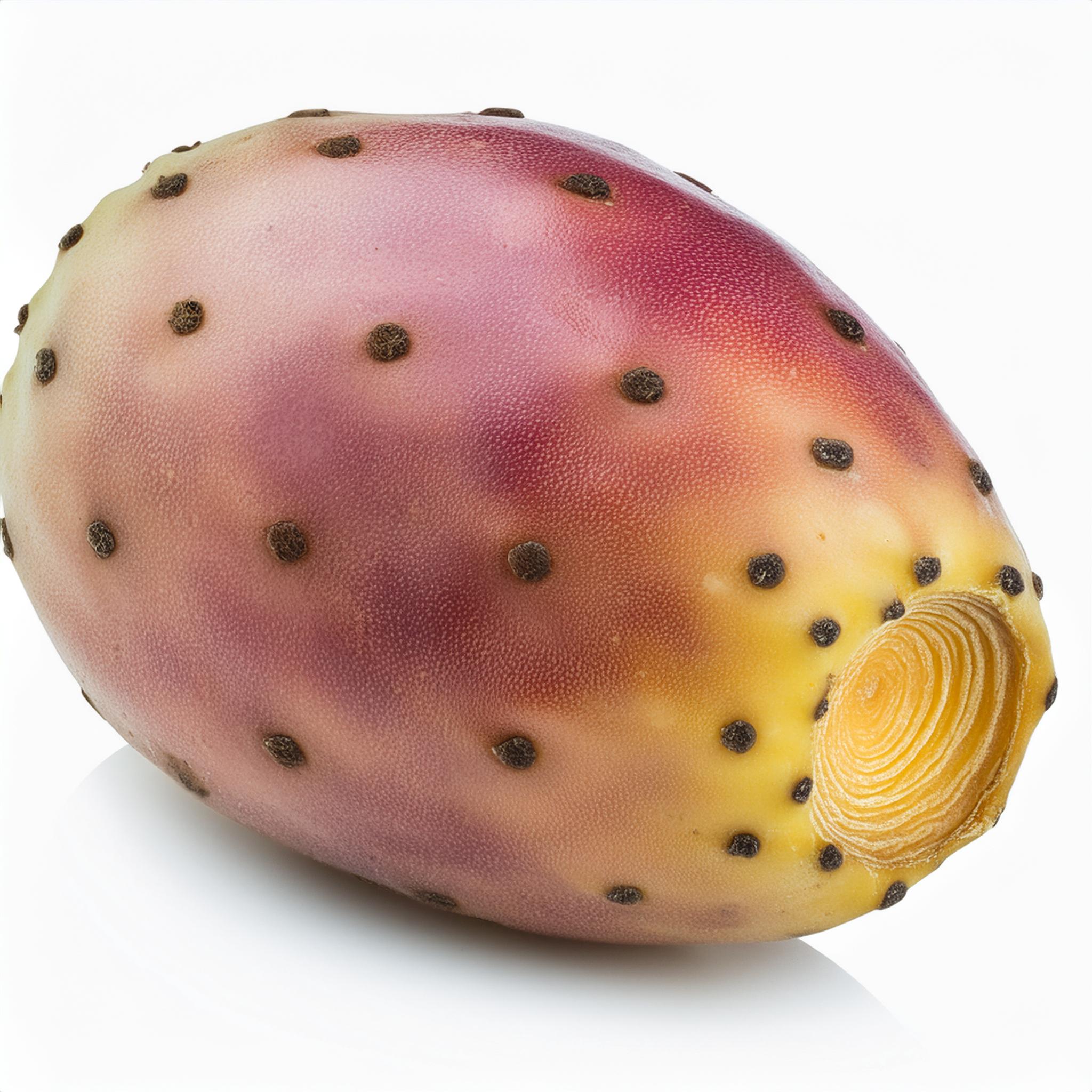
Get to know Barbary Fig
- Source
- Seed
- Origin
- Southern Morocco
- Extraction
- Cold-pressed
- Texture
- Light, dry, fast-absorbing
What it is
Barbary Fig is a botanical carrier oil used in hair and skin care.
Why it belongs in your routine
Light seed oil from Moroccan cactus fruit, about a tonne of fruit per litre.
How to use
Warm a few drops between your palms and smooth over hair or skin. Patch test before use.
Where Barbary Fig comes from
The barbary fig, Opuntia ficus-indica, is the prickly pear cactus, first domesticated in Mexico and brought to the Mediterranean centuries ago. In Morocco it now grows in large hedges and plantations, especially around Sidi Ifni, Guelmim and the Anti-Atlas. The plant forms flat, spiny pads up to about five metres high, and its oval fruit ripens yellow, orange or red, packed with small, hard seeds.
Barbary fig seed oil is pale green to golden with a fresh, grassy smell. Linoleic acid usually makes up around 60 percent of its fatty acids, and it naturally contains notable amounts of vitamin E, mostly as gamma-tocopherol, and plant sterols. It feels light and dry and absorbs quickly, which is why it is used in face oils, serums, eye area products and fine hair oils.
Sourcing & extraction
How Barbary Fig is sourced and extracted
Why it is rare
Each cactus fruit holds only a few grams of seed, and the seeds contain just five to six percent oil. Around 1,000 kg of fruit, or roughly 30 kg of seed, is usually needed for one litre of barbary fig seed oil.
How it is gathered
Barbary fig seed oil comes mainly from the southwest of Morocco. Harvesters, often members of local cooperatives, pick the spiny fruit in late summer, roughly July to September, using gloves or tongs. The fruit is peeled and the pulp eaten, sold or made into juice and jam. The seeds are separated from the pulp by hand or machine, washed, dried in the sun and then taken to local mills for pressing.
How it is made
Cold-pressed from the seed
- Ripe fruit is peeled and the pulp is rubbed or blended so the hard seeds can be separated out.
- The seeds are washed several times and dried in the sun until they are completely dry.
- Dried seeds are cold-pressed in a screw press, which releases a small amount of pale green oil.
- The oil is left to settle, then filtered several times until clear before bottling.
How to use Barbary Fig
- Start with a few drops and warm them between your palms.
- Massage into clean skin, or work through the lengths of damp or dry hair.
- Use on its own, or add a few drops to your moisturizer or conditioner.
For external use only. Patch test on a small area before first use and stop if irritation occurs. If you are pregnant, nursing or have a medical condition, ask a healthcare professional before use.
From ingredient to routine
Products with Barbary Fig
Find this ingredient in our collection.


Questions about Barbary Fig
Where does Barbary Fig come from?
Barbary fig seed oil comes mainly from the southwest of Morocco. Harvesters, often members of local cooperatives, pick the spiny fruit in late summer, roughly July to September, using gloves or tongs. The fruit is peeled and the pulp eaten, sold or made into juice and jam. The seeds are separated from the pulp by hand or machine, washed, dried in the sun and then taken to local mills for pressing.
How is Barbary Fig extracted?
Cold-pressed from the seed. Ripe fruit is peeled and the pulp is rubbed or blended so the hard seeds can be separated out. The seeds are washed several times and dried in the sun until they are completely dry. Dried seeds are cold-pressed in a screw press, which releases a small amount of pale green oil. The oil is left to settle, then filtered several times until clear before bottling.
Why is Barbary Fig considered rare?
Each cactus fruit holds only a few grams of seed, and the seeds contain just five to six percent oil. Around 1,000 kg of fruit, or roughly 30 kg of seed, is usually needed for one litre of barbary fig seed oil.