The Ingredient Library
Pistacia Terebinthus
Pistacia terebinthus
Terebinth oil, known in Turkey as menengic oil, is pressed from the small fruits of Pistacia terebinthus, a wild relative of the pistachio gathered on the hillsides of southeastern Turkey.
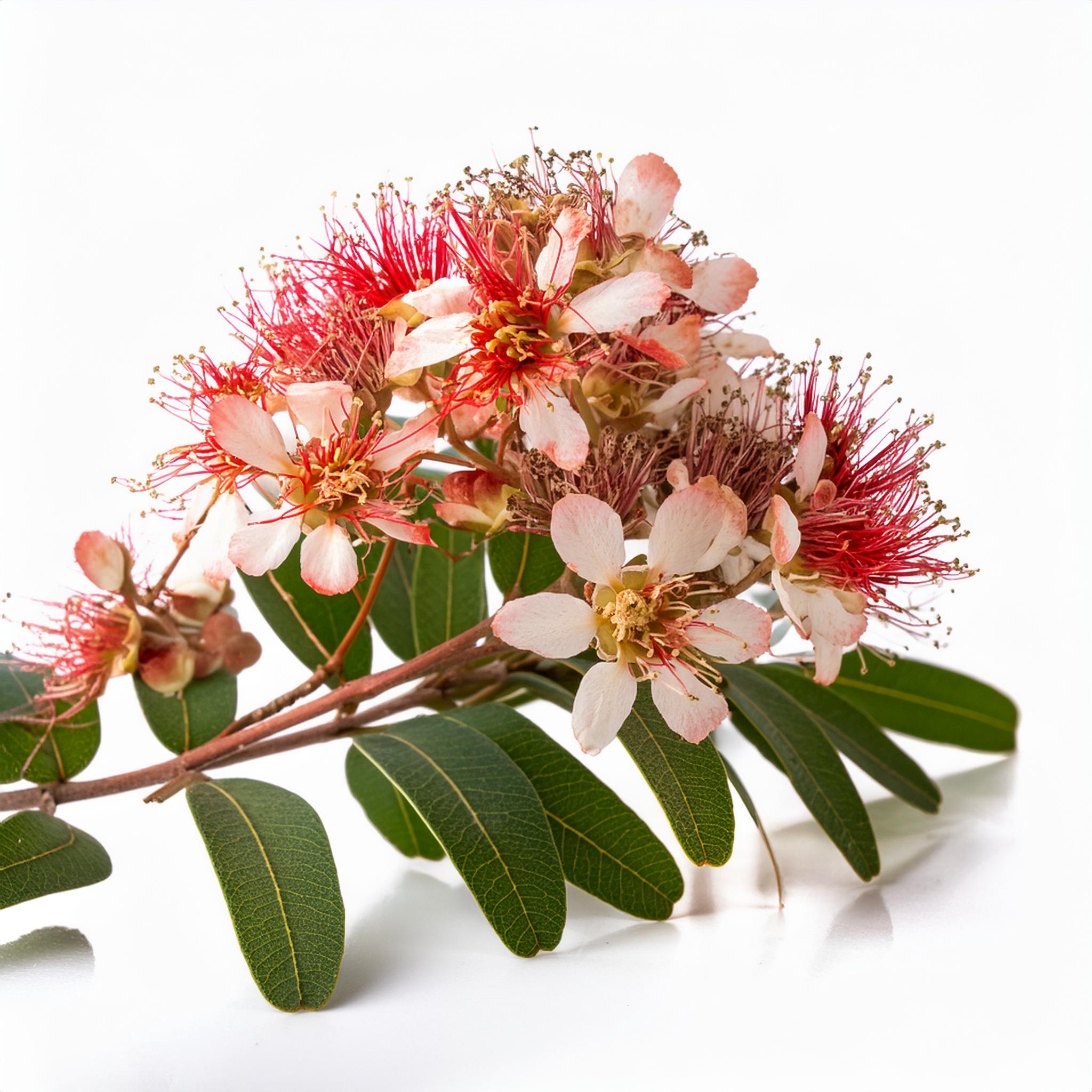
Get to know Pistacia Terebinthus
- Source
- Fruit
- Origin
- Southeast Turkey
- Extraction
- Cold-pressed
- Texture
- Medium, smooth
What it is
Pistacia Terebinthus is a botanical carrier oil used in hair and skin care.
Why it belongs in your routine
Nutty, oleic-rich oil pressed from wild Turkish terebinth (menengic) fruit.
How to use
Warm a few drops between your palms and smooth over hair or skin. Patch test before use.
Where Pistacia Terebinthus comes from
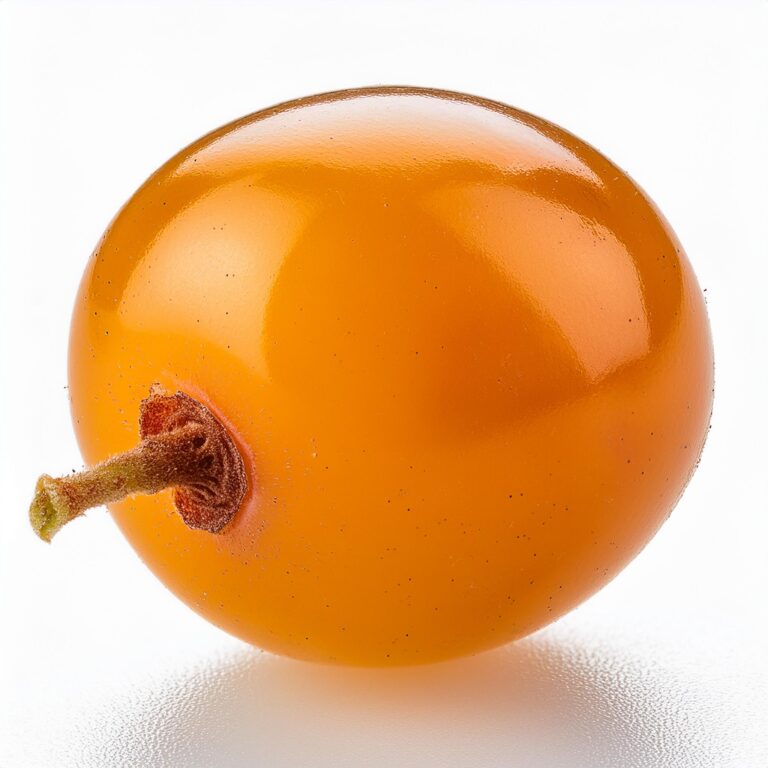
Terebinth oil comes from Pistacia terebinthus, a deciduous shrub or small tree of the pistachio family that usually grows up to about 5 metres. It is native across the Mediterranean, from Morocco and Portugal to Greece and Turkey. Its fruits are pea-sized drupes, 5 to 7 mm across, that turn from red to blue-green and brown as they ripen, hanging in dense clusters.
The oil is golden to greenish, with a nutty, resinous scent close to the smell of the roasted fruit. It is rich in oleic acid, with palmitic and linoleic acids in smaller amounts. It feels smooth and conditioning, and is used in body oils, balms, hair oils and soap. In Turkey the oil has long been used for soap making, and the roasted fruit makes menengic coffee.
Sourcing & extraction
How Pistacia Terebinthus is sourced and extracted
Why it is rare
Terebinth trees are seldom planted, so nearly all the fruit comes from wild trees on rocky hillsides. The fruits are tiny and ripen over late summer, and gathering enough of them for pressing is slow hand work.
How it is gathered
In southeastern Turkey, around provinces such as Gaziantep, Mardin and Diyarbakir, menengic fruit is gathered from wild trees in late summer and early autumn. Villagers pick the clusters by hand or beat the branches so the fruits fall onto cloths. The fruit is dried in the sun, cleaned of stems and leaves and sold to local markets, where part of it is roasted for menengic coffee and part goes to small presses for oil.
How it is made
Cold-pressed from the fruit
- Ripe terebinth fruits are picked by hand from wild trees and spread in the sun to dry.
- The dried fruits are cleaned of stalks, leaves and grit, and sorted.
- The fruits are fed into a screw press that crushes them and releases the oil without added heat.
- The oil is settled so solids can sink, then filtered and bottled.
How to use Pistacia Terebinthus
- Start with a few drops and warm them between your palms.
- Massage into clean skin, or work through the lengths of damp or dry hair.
- Use on its own, or add a few drops to your moisturizer or conditioner.
For external use only. Patch test on a small area before first use and stop if irritation occurs. If you are pregnant, nursing or have a medical condition, ask a healthcare professional before use.
From ingredient to routine
Products with Pistacia Terebinthus
Find this ingredient in our collection.
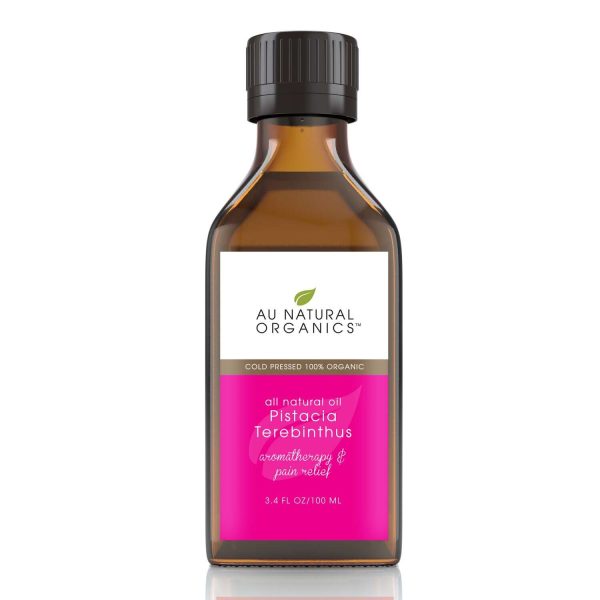
Questions about Pistacia Terebinthus
Where does Pistacia Terebinthus come from?
In southeastern Turkey, around provinces such as Gaziantep, Mardin and Diyarbakir, menengic fruit is gathered from wild trees in late summer and early autumn. Villagers pick the clusters by hand or beat the branches so the fruits fall onto cloths. The fruit is dried in the sun, cleaned of stems and leaves and sold to local markets, where part of it is roasted for menengic coffee and part goes to small presses for oil.
How is Pistacia Terebinthus extracted?
Cold-pressed from the fruit. Ripe terebinth fruits are picked by hand from wild trees and spread in the sun to dry. The dried fruits are cleaned of stalks, leaves and grit, and sorted. The fruits are fed into a screw press that crushes them and releases the oil without added heat. The oil is settled so solids can sink, then filtered and bottled.
Why is Pistacia Terebinthus considered rare?
Terebinth trees are seldom planted, so nearly all the fruit comes from wild trees on rocky hillsides. The fruits are tiny and ripen over late summer, and gathering enough of them for pressing is slow hand work.