
Description
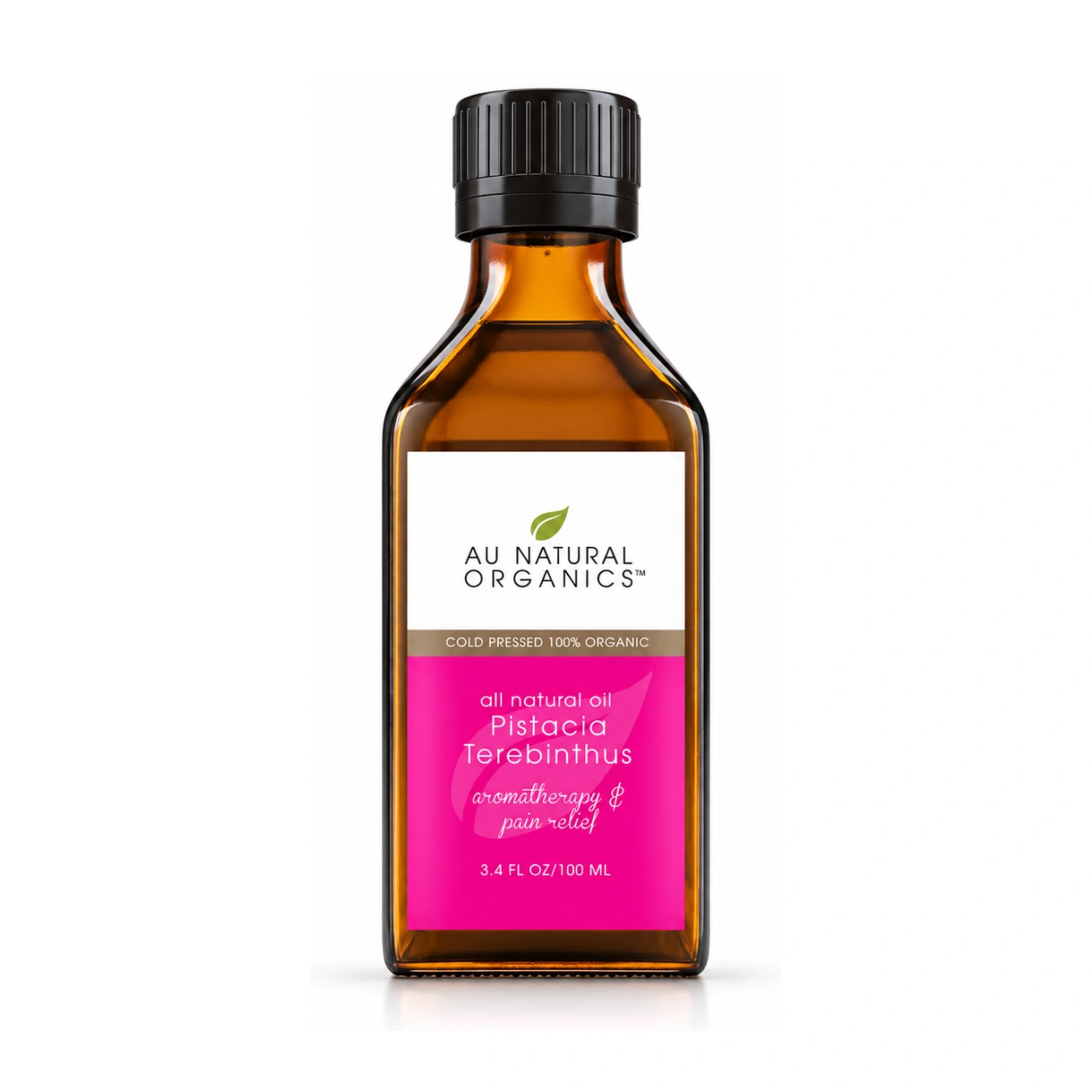
The terebinth is a small tree of the pistachio family that grows wild on rocky hillsides across the Mediterranean. In southeastern Turkey, around Gaziantep, Mardin and Diyarbakir, villagers gather its pea-sized fruits in late summer by hand or by beating the branches onto cloths. The fruit is sun-dried and cleaned. Some is roasted for menengic coffee, and some goes to small presses for oil. The oil is golden to greenish with a nutty, resinous scent, rich in oleic acid and smooth on the skin.
Details
| Botanical name | Pistacia terebinthus (terebinth, menengic) |
|---|---|
| Origin | Southeastern Turkey |
| Part used | Fruit |
| Extraction | Cold-pressed |
| Texture | Medium, smooth |
| Ingredients | 100% Pistacia terebinthus fruit oil |
Why supply is limited: terebinth trees are seldom planted, so nearly all the fruit comes from wild trees, and gathering the tiny fruits is slow hand work.
How to use
- Body: smooth over damp skin after bathing.
- Hair: work a few drops through dry lengths.
- Balms and soap: add to balms and soap recipes.
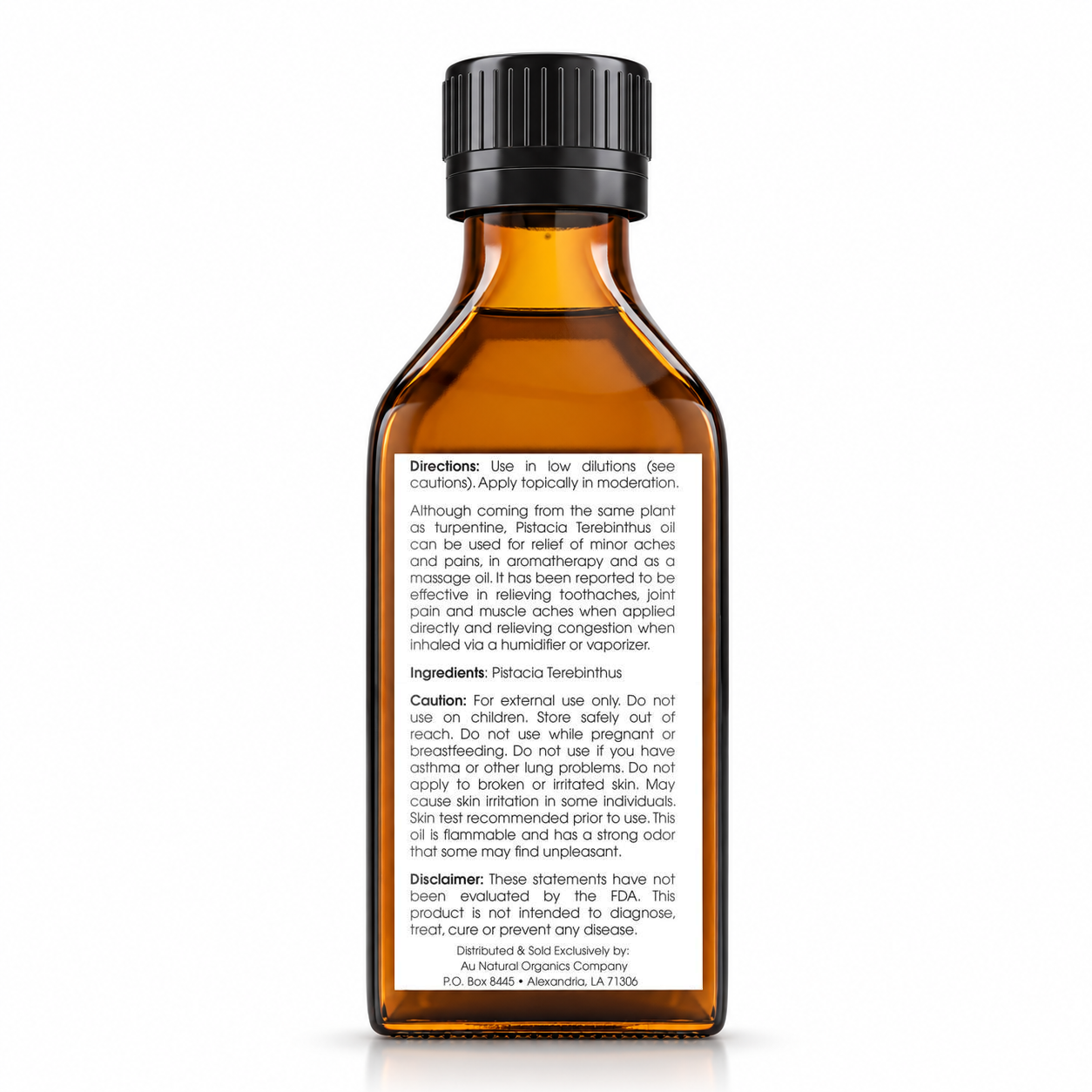
Patch test on the inner arm before first use. Keep away from the eyes. Store somewhere cool and dark with the cap closed.
FAQs
What is menengic oil?
It is the Turkish name for terebinth oil, from Pistacia terebinthus.
Is it related to pistachio?
Yes. The terebinth is a wild relative of the pistachio tree.
What does it smell like?
Nutty and resinous, close to the smell of the roasted fruit.



Reviews
There are no reviews yet.