The Ingredient Library
Cranberry
Vaccinium macrocarpon
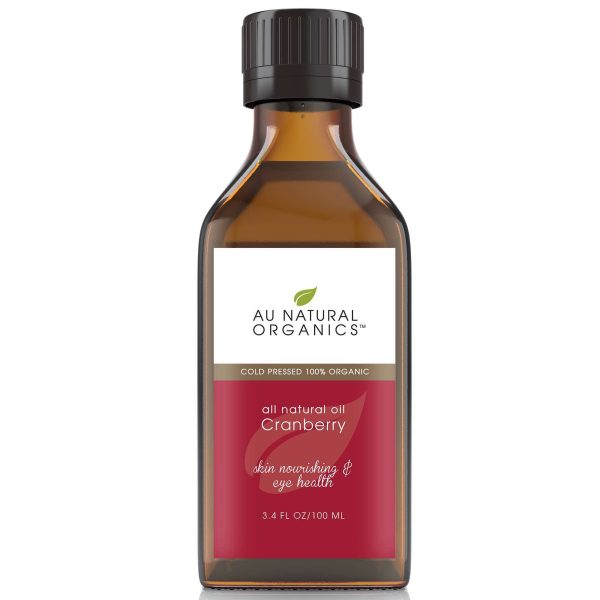
Cranberry seed oil is cold-pressed from the tiny seeds of North American cranberries, collected after juicing. It has an unusually even balance of omega-3 and omega-6 fatty acids.
Get to know cranberry seed oil
- Source
- Berry seed
- Origin
- USA and Canada
- Extraction
- Cold-pressed
- Texture
- Light, smooth
What it is
Cranberry is a botanical carrier oil used in hair and skin care.
Why it belongs in your routine
Light oil from cranberry seeds with balanced omega-3 and omega-6.
How to use
Warm a few drops between your palms and smooth over hair or skin. Patch test before use.
Where does cranberry seed oil come from?
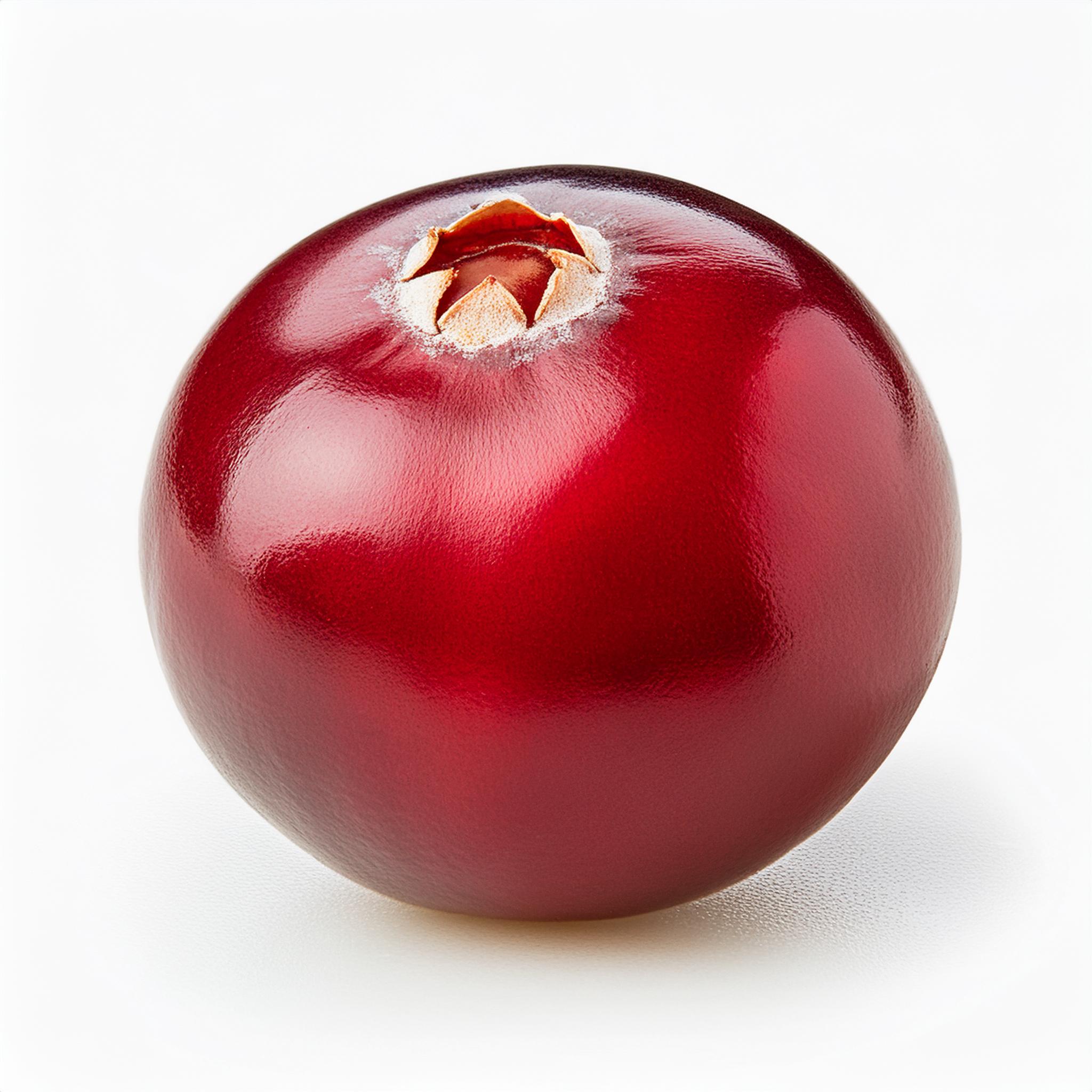
Cranberry seed oil comes from Vaccinium macrocarpon, a low, trailing evergreen shrub native to the bogs and wetlands of north-eastern North America. The plant spreads by runners across sandy, acidic beds and carries small pink flowers in early summer. Its red berries ripen in autumn. Cranberries are farmed mainly in Wisconsin and Massachusetts in the United States and in Quebec and British Columbia in Canada.
Cranberry seed oil is golden to greenish with a light, fruity, slightly nutty smell. It contains linoleic and alpha-linolenic acids in roughly equal proportions, a balance few plant oils share, along with oleic acid, tocopherols and tocotrienols. It feels light and smooth and absorbs well, so it is used in face oils, serums, lip products and light body oils.
Sourcing & extraction
How cranberry seed oil is sourced and extracted
Why it is rare
Cranberry seeds are tiny and only a small share of the berry's weight, so tonnes of fruit must be juiced to collect enough for pressing. Seed supply depends entirely on the juice industry, which keeps oil volumes small.
How it is gathered
Most cranberries are wet harvested between September and November. Growers flood the beds, loosen the berries with water reels so they float, then corral them with booms and pump them into trucks. The fruit goes to juice plants, where pressing leaves a pomace of skins and seeds. This pomace is dried and the seeds are separated and cleaned before being sold on to oil pressers.
How it is made
Cold-pressed from the seed
- Cranberry pomace from juice plants is dried, and the seeds are separated from the skins by sieving.
- The seeds are cleaned again and checked for moisture so that only dry, sound seed is pressed.
- A screw press crushes the seeds at low temperature, and the oil drains from the press barrel.
- The oil is allowed to settle, then filtered and bottled in dark containers to protect it from light.
How to use cranberry seed oil
- Start with a few drops and warm them between your palms.
- Massage into clean skin, or work through the lengths of damp or dry hair.
- Use on its own, or add a few drops to your moisturizer or conditioner.
For external use only. Patch test on a small area before first use and stop if irritation occurs. If you are pregnant, nursing or have a medical condition, ask a healthcare professional before use.
From ingredient to routine
Products with Cranberry
Find this ingredient in our collection.
Questions about Cranberry
Where does Cranberry come from?
Most cranberries are wet harvested between September and November. Growers flood the beds, loosen the berries with water reels so they float, then corral them with booms and pump them into trucks. The fruit goes to juice plants, where pressing leaves a pomace of skins and seeds. This pomace is dried and the seeds are separated and cleaned before being sold on to oil pressers.
How is Cranberry extracted?
Cold-pressed from the seed. Cranberry pomace from juice plants is dried, and the seeds are separated from the skins by sieving. The seeds are cleaned again and checked for moisture so that only dry, sound seed is pressed. A screw press crushes the seeds at low temperature, and the oil drains from the press barrel. The oil is allowed to settle, then filtered and bottled in dark containers to protect it from light.
Why is Cranberry considered rare?
Cranberry seeds are tiny and only a small share of the berry's weight, so tonnes of fruit must be juiced to collect enough for pressing. Seed supply depends entirely on the juice industry, which keeps oil volumes small.