The Ingredient Library
Pataua
Oenocarpus bataua
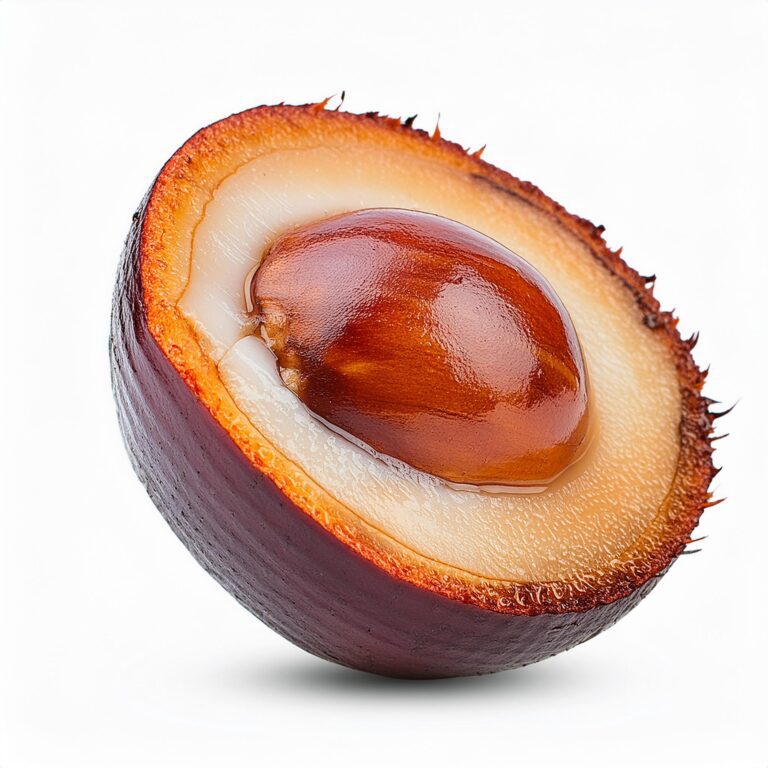
Pataua oil is pressed from the dark purple fruit pulp of Oenocarpus bataua, a tall palm of the Amazon rainforest. Its oleic-rich composition is often compared to olive oil.
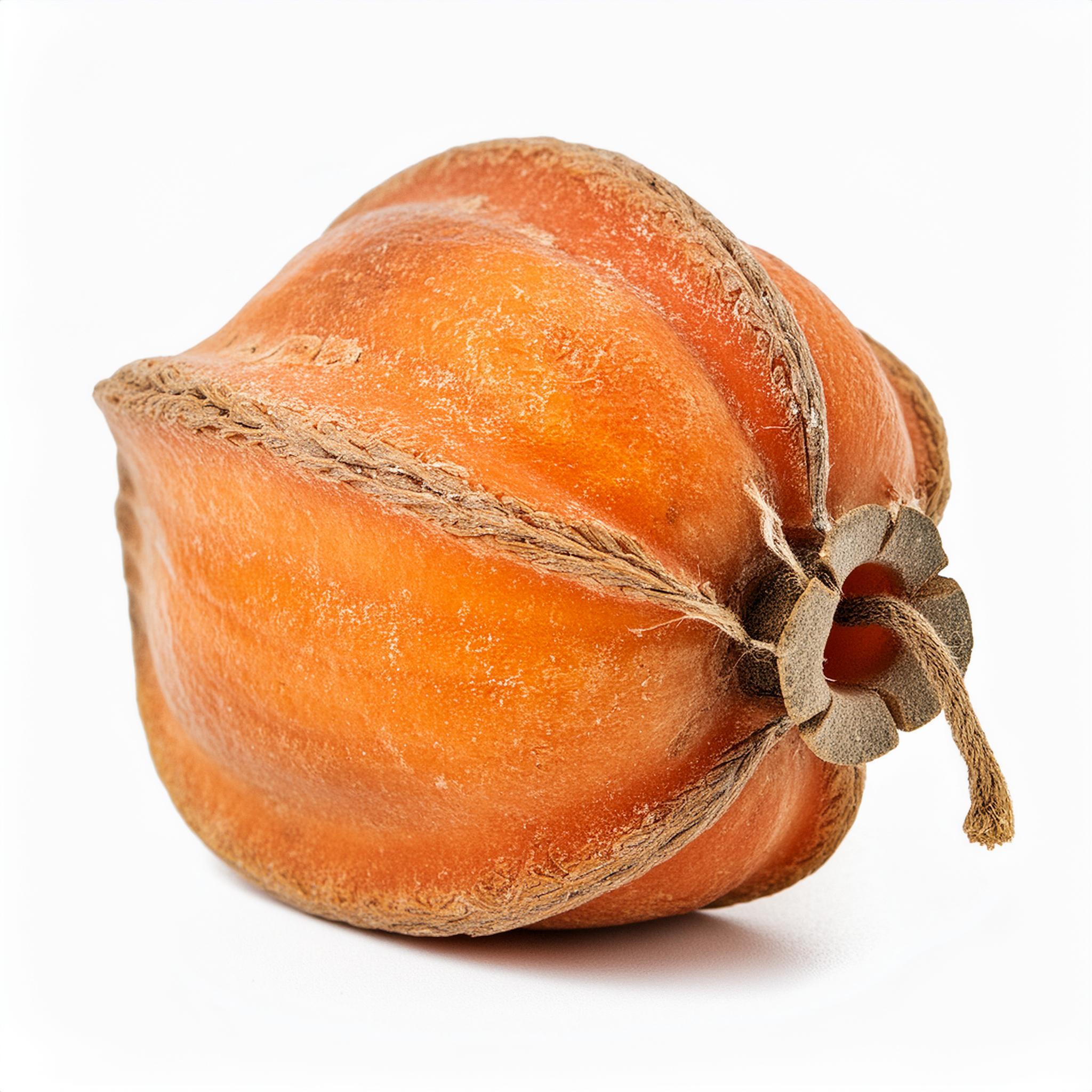
Get to know Pataua
- Source
- Fruit pulp
- Origin
- Amazon basin
- Extraction
- Cold-pressed
- Texture
- Light, silky
What it is
Pataua is a botanical carrier oil used in hair and skin care.
Why it belongs in your routine
Silky Amazon palm fruit oil, high in oleic acid, used on hair and skin.
How to use
Warm a few drops between your palms and smooth over hair or skin. Patch test before use.
Where Pataua comes from
Pataua oil comes from Oenocarpus bataua, a single-stemmed palm that grows 10 to 25 metres tall across the Amazon basin, from Colombia and Venezuela to Peru, Bolivia and Brazil. It thrives in wet, often flooded ground. Its fruit hangs in large bunches that can weigh many kilograms, and each fruit is a dark purple, olive-sized drupe with a thin layer of oily pulp around a hard seed.
The oil is yellow to light green and has a mild, slightly nutty scent. It is high in oleic acid, often around three quarters of the oil, with smaller amounts of palmitic and linoleic acids. Its composition is similar to olive oil, but it feels lighter. It is mainly used in hair oils and conditioners, where it adds shine and softness, and in body oils and balms.
Sourcing & extraction
How Pataua is sourced and extracted
Why it is rare
Pataua palms grow wild and are not farmed on plantations. The fruit bunches hang high on tall trunks, the fruit holds only about 8 to 10 percent oil, and the pulp spoils quickly, so fruit must be processed soon after harvest.
How it is gathered
Pataua fruit is gathered by riverside and indigenous communities in the Amazon, who have long used the palm for food and oil. Harvesters usually climb the trunk with a foot loop to cut the ripe bunches, a practice encouraged in place of felling the palm, which was once common. The bunches are lowered, the fruit is removed and carried by canoe or on foot to village processing sites or small mills in the forest regions.
How it is made
Cold-pressed from the fruit pulp
- Ripe fruit bunches are cut from the palm and the fruits are stripped off, sorted and washed.
- The fruits are soaked in warm water to soften the thin pulp, as communities have done for generations to make drinks and oil.
- The pulp is separated from the hard seeds and dried to lower its moisture.
- The dried pulp is pressed to release the oil, which is then settled and filtered before bottling.
How to use Pataua
- Start with a few drops and warm them between your palms.
- Massage into clean skin, or work through the lengths of damp or dry hair.
- Use on its own, or add a few drops to your moisturizer or conditioner.
For external use only. Patch test on a small area before first use and stop if irritation occurs. If you are pregnant, nursing or have a medical condition, ask a healthcare professional before use.
From ingredient to routine
Products with Pataua
Find this ingredient in our collection.

Questions about Pataua
Where does Pataua come from?
Pataua fruit is gathered by riverside and indigenous communities in the Amazon, who have long used the palm for food and oil. Harvesters usually climb the trunk with a foot loop to cut the ripe bunches, a practice encouraged in place of felling the palm, which was once common. The bunches are lowered, the fruit is removed and carried by canoe or on foot to village processing sites or small mills in the forest regions.
How is Pataua extracted?
Cold-pressed from the fruit pulp. Ripe fruit bunches are cut from the palm and the fruits are stripped off, sorted and washed. The fruits are soaked in warm water to soften the thin pulp, as communities have done for generations to make drinks and oil. The pulp is separated from the hard seeds and dried to lower its moisture. The dried pulp is pressed to release the oil, which is then settled and filtered before bottling.
Why is Pataua considered rare?
Pataua palms grow wild and are not farmed on plantations. The fruit bunches hang high on tall trunks, the fruit holds only about 8 to 10 percent oil, and the pulp spoils quickly, so fruit must be processed soon after harvest.