The Ingredient Library
Amaranth
Amaranthus cruentus
Amaranth oil is pressed from the tiny seeds of an ancient grain first grown in Mexico and Central America; the seeds hold so little oil that each litre takes many kilos of grain.
Get to know amaranth oil
- Source
- Seed
- Origin
- Americas, now worldwide
- Extraction
- Cold-pressed
- Texture
- Light, dry finish
What it is
Amaranth is a botanical carrier oil used in hair and skin care.
Why it belongs in your routine
Light seed oil from an ancient American grain, naturally rich in squalene.
How to use
Warm a few drops between your palms and smooth over hair or skin. Patch test before use.
Where does amaranth oil come from?
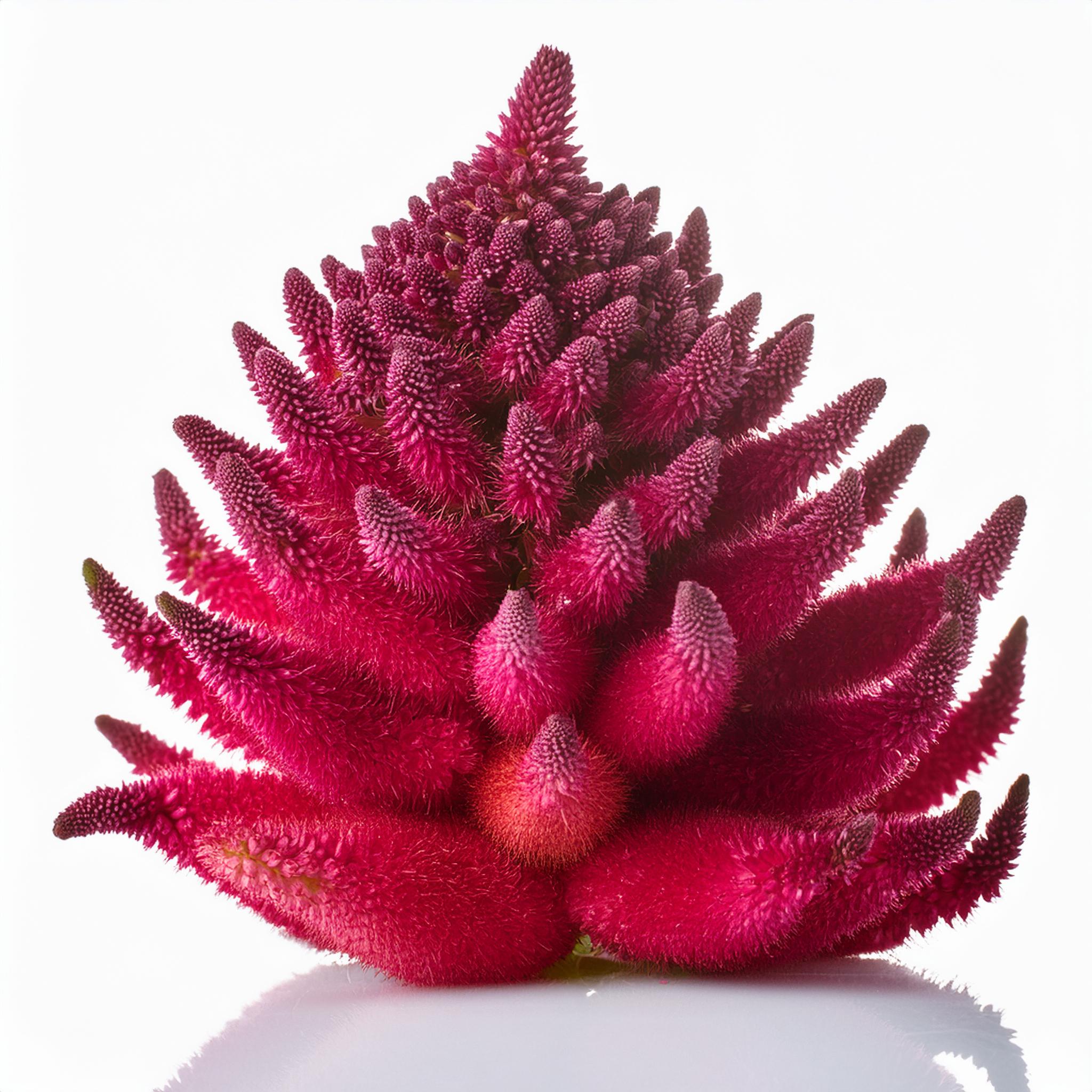
Amaranthus cruentus is a fast-growing annual that reaches one to two metres, topped by dense red, purple or gold seed heads. It was domesticated in Mexico and Central America thousands of years ago and grown by the Aztecs as a staple grain. Today it is farmed in Mexico, Peru, parts of Africa and Asia, and increasingly in Eastern Europe, where much of the world's amaranth oil is now produced.
Amaranth oil is pale golden with a mild, nutty, slightly grassy scent. Linoleic and oleic acid make up most of its fatty acids, and it is notable for naturally containing squalene, often at five to eight percent of the oil, which is unusually high for a plant. It feels light and absorbs quickly, so it is used in face oils, serums, hair oils and lightweight creams.
Sourcing & extraction
How amaranth oil is sourced and extracted
Why it is rare
Amaranth seeds are barely a millimetre across and usually contain only about five to nine percent oil, far less than sunflower or sesame. That low yield means large quantities of grain are needed for each batch, which keeps amaranth oil a small, specialist product.
How it is gathered
Amaranth is a farmed crop rather than a wild one. It is sown in late spring and the seed heads are usually harvested in early autumn, once they have dried and the seeds shake loose, either by combine on larger fields or by cutting and threshing by hand on small plots. The cleaned seed is dried and stored, then sent to specialist oil mills that press the seed or grind it before extraction.
How it is made
Cold-pressed from the seed
- Harvested seed is cleaned to remove chaff, dust and stray plant material, then dried to a low moisture level.
- The seed is fed through a screw press at low temperature, squeezing out a small amount of pale oil.
- The oil is left to rest so fine particles settle, then filtered until it runs clear and golden.
- Finished amaranth oil is bottled away from light and air to protect its squalene and unsaturated fats.
How to use amaranth oil
- Start with a few drops and warm them between your palms.
- Massage into clean skin, or work through the lengths of damp or dry hair.
- Use on its own, or add a few drops to your moisturizer or conditioner.
For external use only. Patch test on a small area before first use and stop if irritation occurs. If you are pregnant, nursing or have a medical condition, ask a healthcare professional before use.
From ingredient to routine
Products with Amaranth
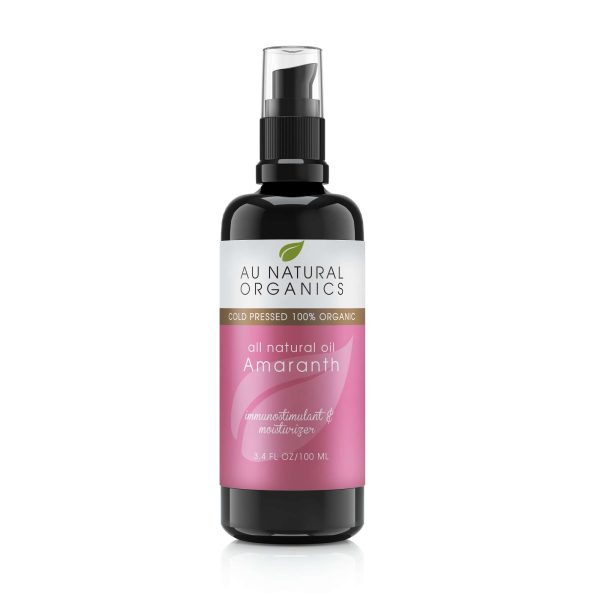
Find this ingredient in our collection.
Questions about Amaranth
Where does Amaranth come from?
Amaranth is a farmed crop rather than a wild one. It is sown in late spring and the seed heads are usually harvested in early autumn, once they have dried and the seeds shake loose, either by combine on larger fields or by cutting and threshing by hand on small plots. The cleaned seed is dried and stored, then sent to specialist oil mills that press the seed or grind it before extraction.
How is Amaranth extracted?
Cold-pressed from the seed. Harvested seed is cleaned to remove chaff, dust and stray plant material, then dried to a low moisture level. The seed is fed through a screw press at low temperature, squeezing out a small amount of pale oil. The oil is left to rest so fine particles settle, then filtered until it runs clear and golden. Finished amaranth oil is bottled away from light and air to protect its squalene and unsaturated fats.
Why is Amaranth considered rare?
Amaranth seeds are barely a millimetre across and usually contain only about five to nine percent oil, far less than sunflower or sesame. That low yield means large quantities of grain are needed for each batch, which keeps amaranth oil a small, specialist product.