The Ingredient Library
Cucumber Seed
Cucumis sativus
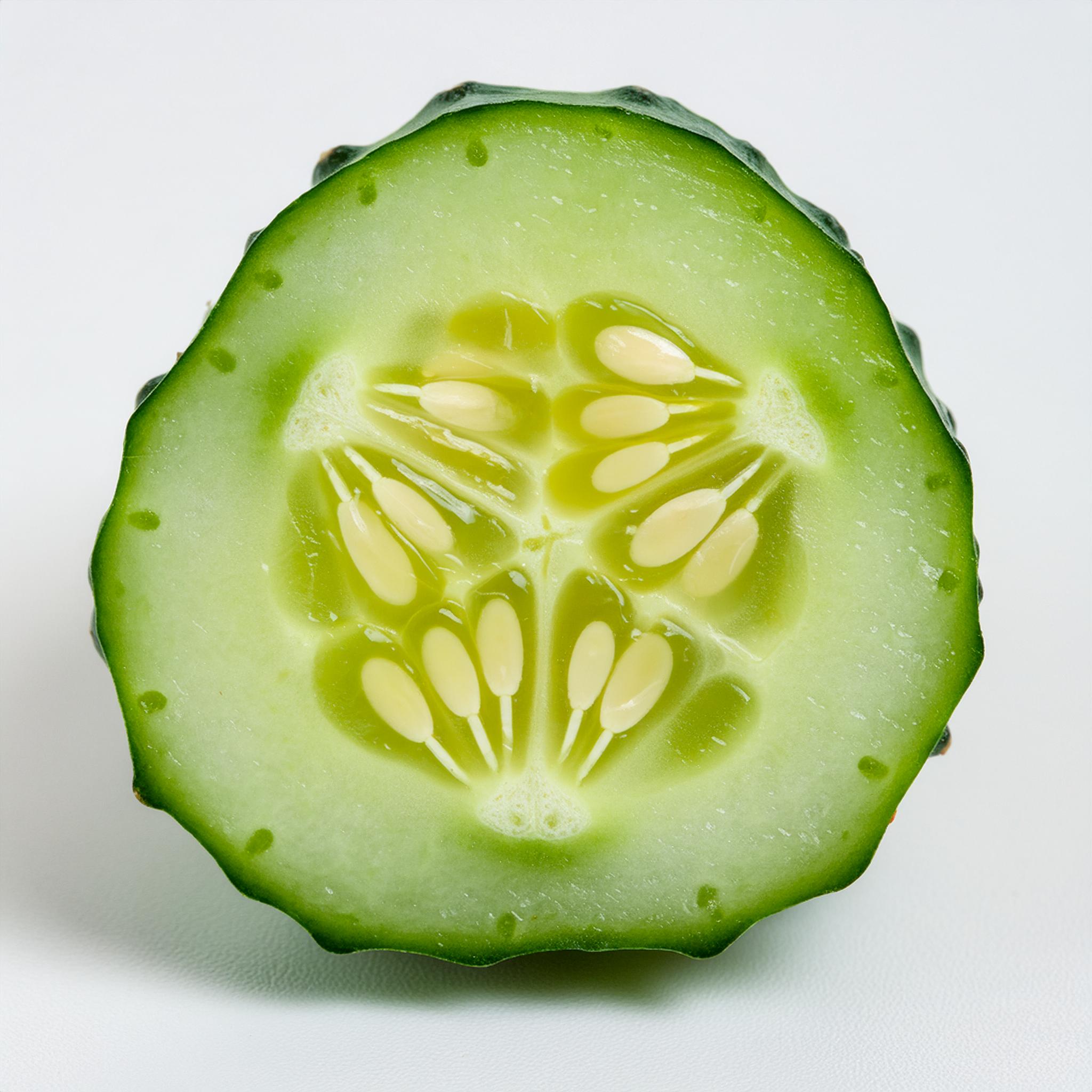
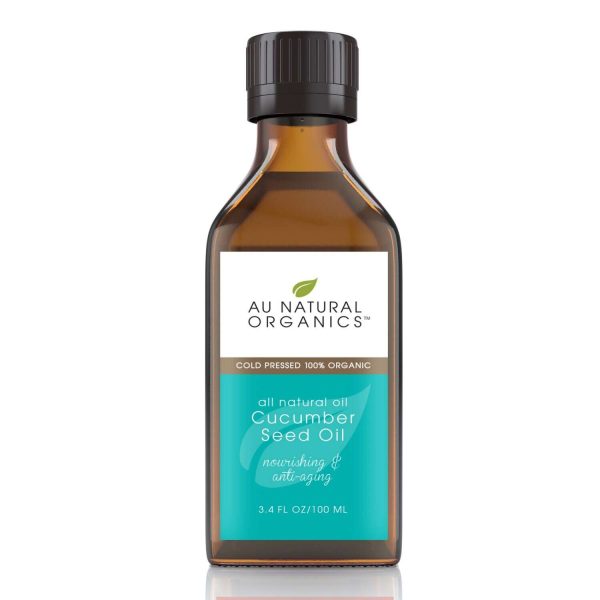
Cucumber seed oil is cold-pressed from the flat seeds of mature cucumbers, a vine crop first grown in India. It is a light, pale oil high in linoleic acid with a clean, fresh feel.
Get to know Cucumber Seed
- Source
- Seed
- Origin
- Grown worldwide
- Extraction
- Cold-pressed
- Texture
- Very light, dry
What it is
Cucumber Seed is a botanical carrier oil used in hair and skin care.
Why it belongs in your routine
Light, fresh-feeling oil pressed from mature cucumber seeds.
How to use
Warm a few drops between your palms and smooth over hair or skin. Patch test before use.
Where Cucumber Seed comes from
Cucumber seed oil comes from Cucumis sativus, a climbing annual vine of the gourd family, first domesticated in India and now grown across the world. The plant has large rough leaves, yellow flowers and curling tendrils that let it climb. For seed, the fruit is left on the vine well past the salad stage, until it turns yellow or brown and the flat, cream-coloured seeds inside are fully mature.
Cucumber seed oil is pale yellow with little smell. It is high in linoleic acid, often around 60 percent or more, with oleic and palmitic acids and naturally occurring tocopherols. It feels very light and dry, absorbing quickly without shine. It is used in face oils, serums, eye area products and light moisturisers, often blended with heavier oils.
Sourcing & extraction
How Cucumber Seed is sourced and extracted
Why it is rare
Cucumbers are almost always picked unripe for eating, so seed for oil has to come from fruit left to ripen fully on the vine. The seeds make up a small part of each fruit, and only a few growers supply seed for pressing.
How it is gathered
Cucumbers grown for seed are left on the vine until the fruit is overripe, usually in late summer. The fruits are picked, crushed and left to ferment briefly so the jelly coating the seeds breaks down. The seeds are then washed out, dried on screens or in dryers, and cleaned. Much of this seed is produced for sowing, and lots that are surplus or grown for pressing go to oil presses.
How it is made
Cold-pressed from the seed
- Overripe fruits are crushed and the seeds washed free of the jelly-like pulp that surrounds them.
- The seeds are dried thoroughly on screens or in low-heat dryers until they are hard and stable.
- Dried seeds are pressed in a screw press without added heat, giving a pale yellow oil.
- The oil is filtered to remove fine particles, then stored in sealed containers away from light.
How to use Cucumber Seed
- Start with a few drops and warm them between your palms.
- Massage into clean skin, or work through the lengths of damp or dry hair.
- Use on its own, or add a few drops to your moisturizer or conditioner.
For external use only. Patch test on a small area before first use and stop if irritation occurs. If you are pregnant, nursing or have a medical condition, ask a healthcare professional before use.
From ingredient to routine
Products with Cucumber Seed
Find this ingredient in our collection.
Questions about Cucumber Seed
Where does Cucumber Seed come from?
Cucumbers grown for seed are left on the vine until the fruit is overripe, usually in late summer. The fruits are picked, crushed and left to ferment briefly so the jelly coating the seeds breaks down. The seeds are then washed out, dried on screens or in dryers, and cleaned. Much of this seed is produced for sowing, and lots that are surplus or grown for pressing go to oil presses.
How is Cucumber Seed extracted?
Cold-pressed from the seed. Overripe fruits are crushed and the seeds washed free of the jelly-like pulp that surrounds them. The seeds are dried thoroughly on screens or in low-heat dryers until they are hard and stable. Dried seeds are pressed in a screw press without added heat, giving a pale yellow oil. The oil is filtered to remove fine particles, then stored in sealed containers away from light.
Why is Cucumber Seed considered rare?
Cucumbers are almost always picked unripe for eating, so seed for oil has to come from fruit left to ripen fully on the vine. The seeds make up a small part of each fruit, and only a few growers supply seed for pressing.