The Ingredient Library
Manketti
Schinziophyton rautanenii
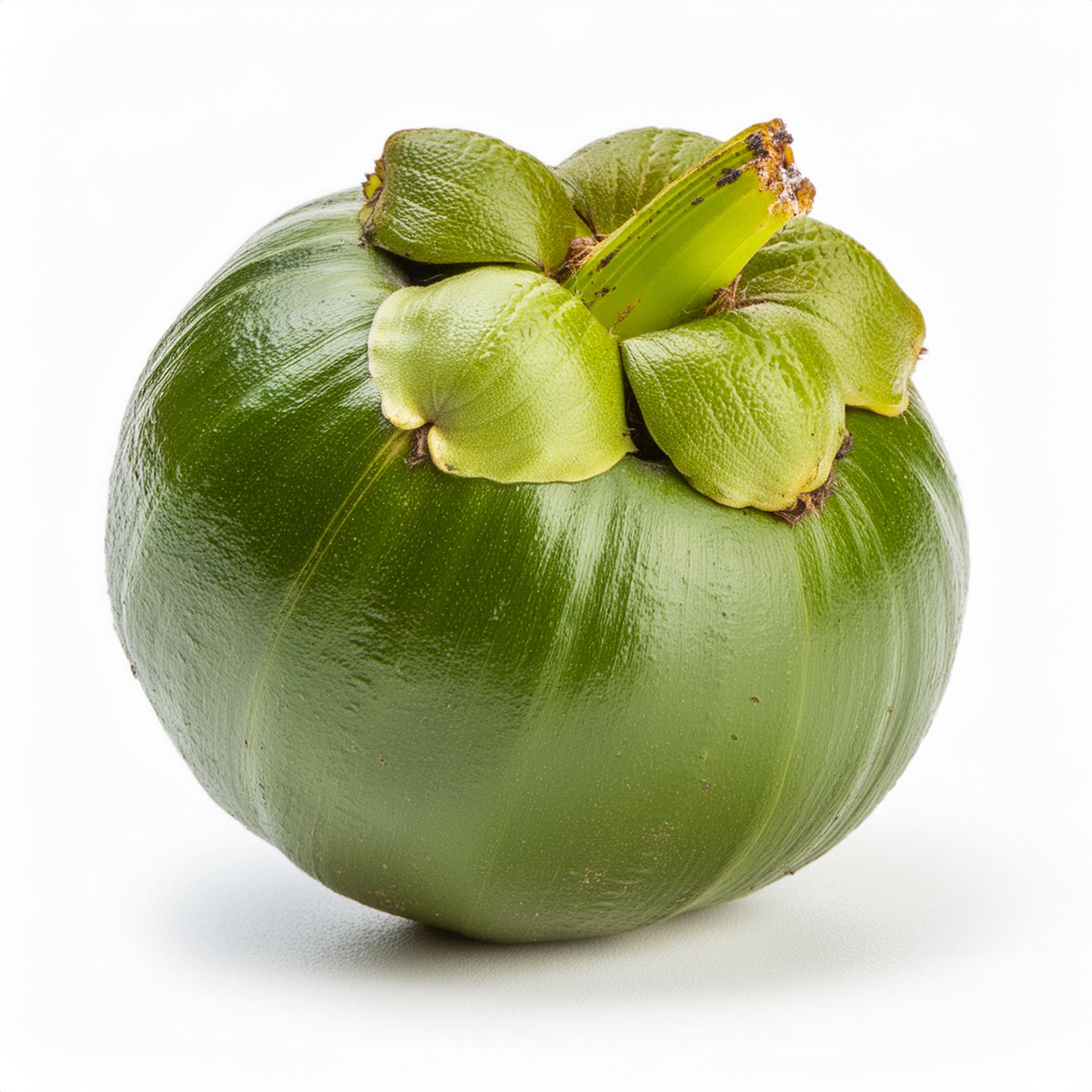
Manketti oil, also called mongongo oil, is pressed from the nuts of a Kalahari tree that grows in sandy ridges across Namibia, Botswana and Zambia, with each nut cracked by hand.
Get to know manketti oil
- Source
- Nut kernel
- Origin
- Namibia, Botswana, Zambia
- Extraction
- Cold-pressed
- Texture
- Light, silky, dry finish
What it is
Manketti is a botanical carrier oil used in hair and skin care.
Why it belongs in your routine
Light Kalahari nut oil from the hand-cracked mongongo nut.
How to use
Warm a few drops between your palms and smooth over hair or skin. Patch test before use.
Where does manketti oil come from?
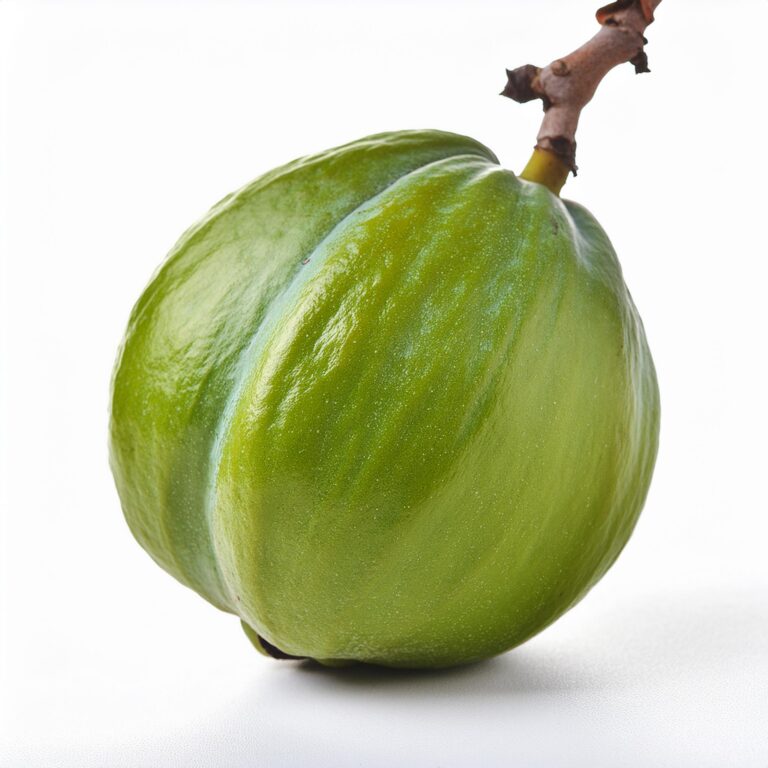
Schinziophyton rautanenii, the manketti or mongongo tree, grows on the deep sands of the Kalahari, with large stands in northern Namibia, Botswana, south-western Zambia and western Zimbabwe. It is a spreading tree of the spurge family with hand-shaped leaves. Its egg-sized fruits have a thin, sweet pulp around an extremely hard nut, and a single tree can drop around 1,000 fruits a year.
Manketti oil is pale yellow, light and quick to absorb. It naturally contains vitamin E and linoleic acid, along with eleostearic acid, an unusual conjugated fatty acid that forms a thin film as the oil dries. It is used in hair oils for shine, in lip and face oils, and in body oils where a light, non-greasy finish is wanted.
Sourcing & extraction
How manketti oil is sourced and extracted
Why it is rare
The nut shell is among the hardest of any wild African nut and is cracked by hand, usually with stones or small axes. All harvesting is from wild trees, and the trees grow only in a fairly narrow belt of Kalahari sand.
How it is gathered
The fruits fall at the end of the rainy season, around April and May, and collection often continues into June once the grass dies back. Women from local communities, including San families, gather the fallen fruit and dry it for several months. To crack the nuts, they are often scorched in a fire and then broken open with stones or small axes. The kernels are sold to local groups that press the oil.
How it is made
Cold-pressed from the nut kernel
- Fallen fruits are collected from beneath wild manketti trees and dried, often for several months, in storage.
- The dry pulp is removed, and the nuts are often lightly scorched before being cracked open with stones or axes.
- The kernels are picked out by hand, cleaned and checked for quality.
- The kernels are cold-pressed in a screw press, and the oil is left to settle and filtered before bottling.
How to use manketti oil
- Start with a few drops and warm them between your palms.
- Massage into clean skin, or work through the lengths of damp or dry hair.
- Use on its own, or add a few drops to your moisturizer or conditioner.
For external use only. Patch test on a small area before first use and stop if irritation occurs. If you are pregnant, nursing or have a medical condition, ask a healthcare professional before use.
From ingredient to routine
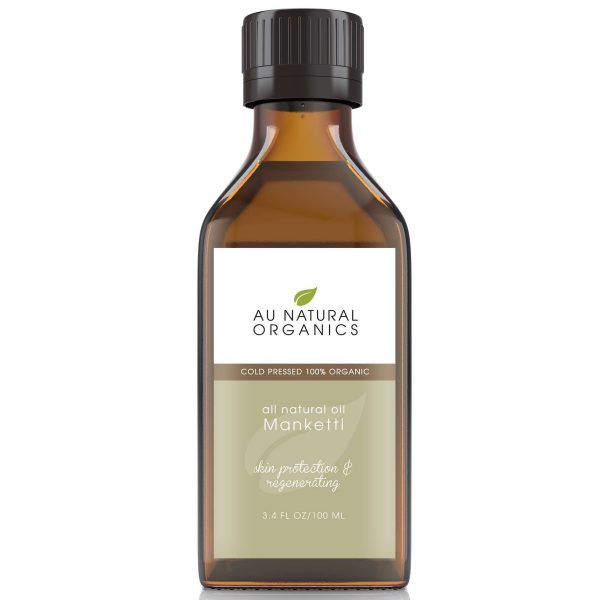
Products with Manketti
Find this ingredient in our collection.
Questions about Manketti
Where does Manketti come from?
The fruits fall at the end of the rainy season, around April and May, and collection often continues into June once the grass dies back. Women from local communities, including San families, gather the fallen fruit and dry it for several months. To crack the nuts, they are often scorched in a fire and then broken open with stones or small axes. The kernels are sold to local groups that press the oil.
How is Manketti extracted?
Cold-pressed from the nut kernel. Fallen fruits are collected from beneath wild manketti trees and dried, often for several months, in storage. The dry pulp is removed, and the nuts are often lightly scorched before being cracked open with stones or axes. The kernels are picked out by hand, cleaned and checked for quality. The kernels are cold-pressed in a screw press, and the oil is left to settle and filtered before bottling.
Why is Manketti considered rare?
The nut shell is among the hardest of any wild African nut and is cracked by hand, usually with stones or small axes. All harvesting is from wild trees, and the trees grow only in a fairly narrow belt of Kalahari sand.