
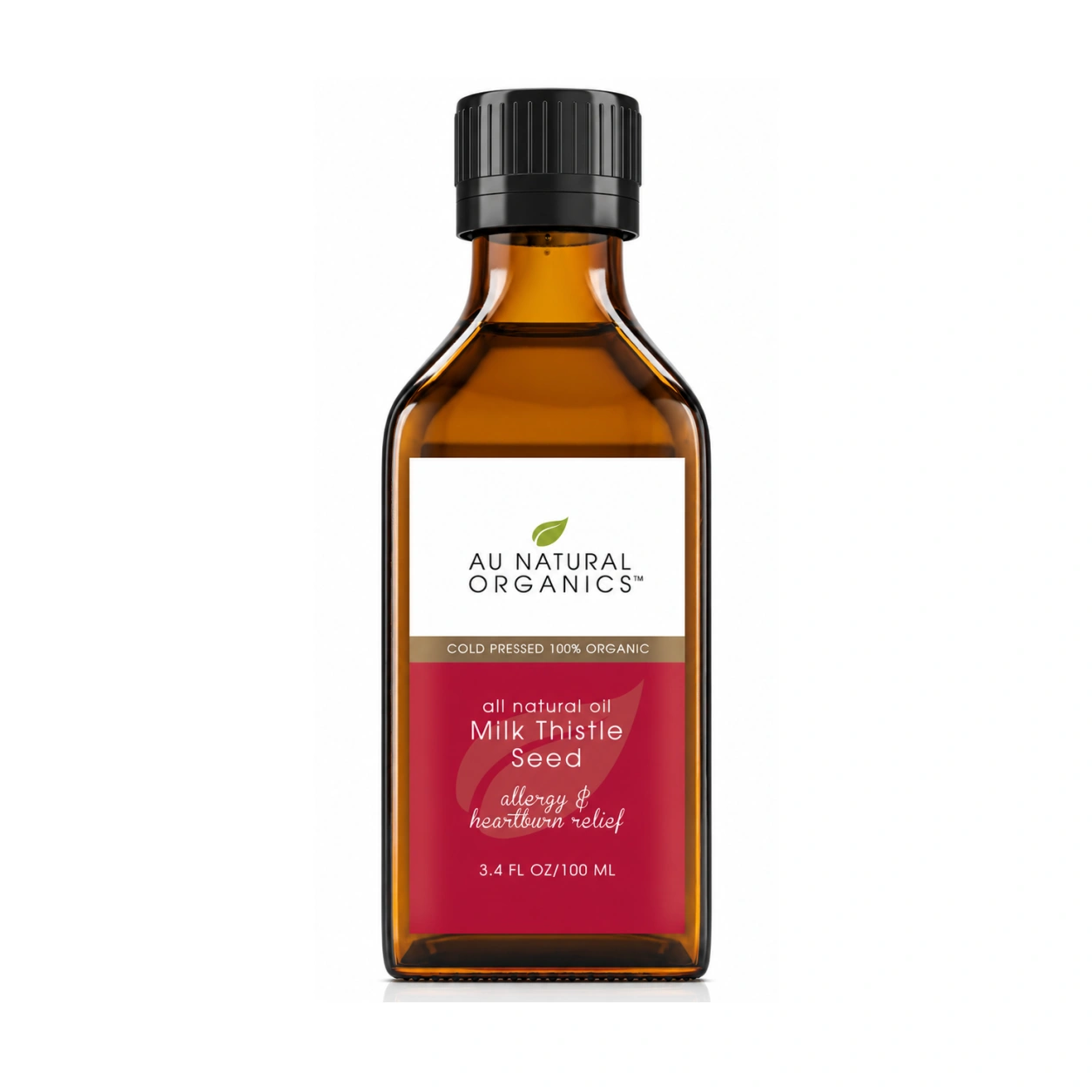
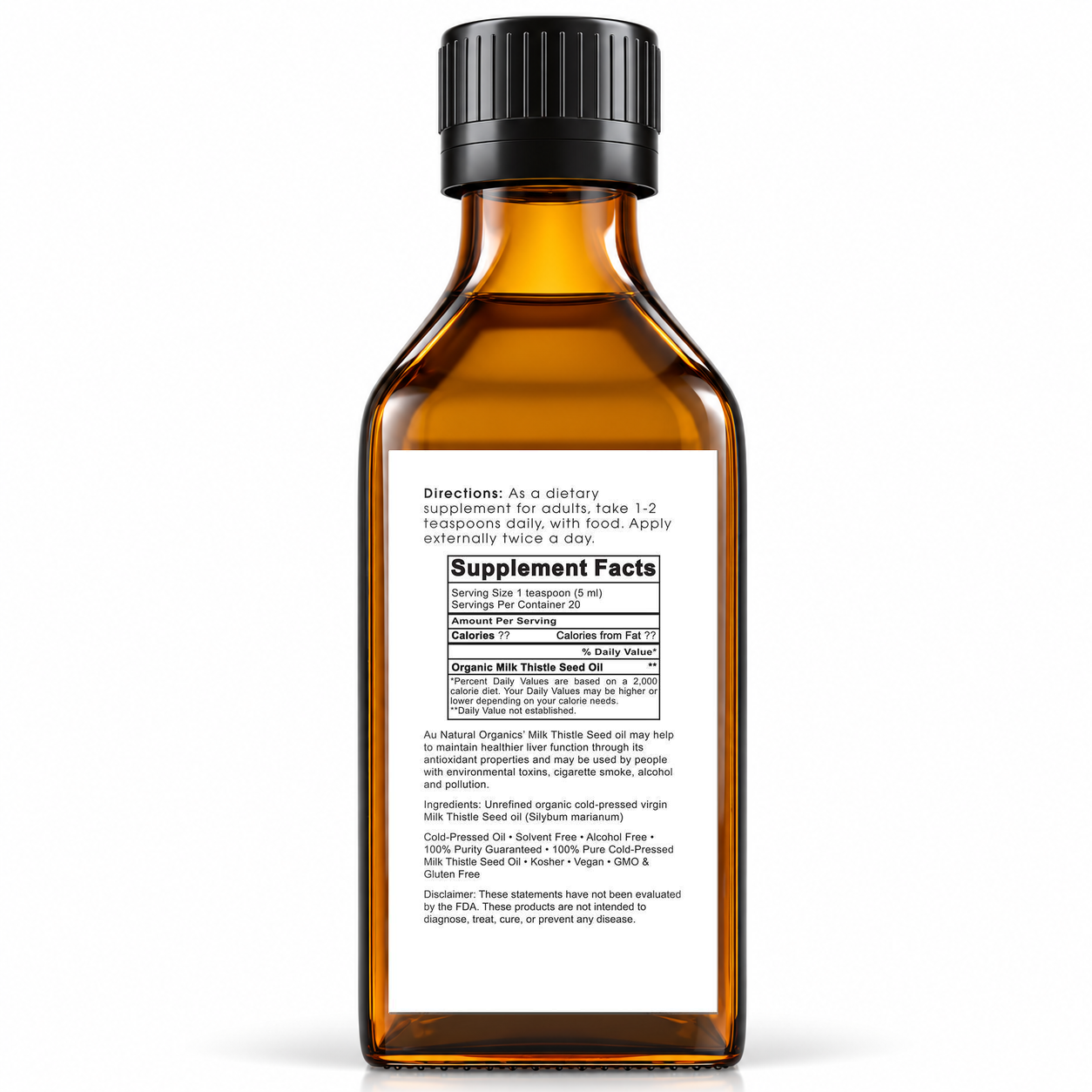
Description
Milk thistle is a tall Mediterranean thistle with glossy, white-veined leaves and spiny purple flower heads. Today it is grown as a field crop in countries such as Hungary, Poland and Germany. Farmers harvest the seed in late summer, clean and dry it, and some of it goes to small mills to be cold-pressed. The oil is golden yellow with a mild, nutty scent. About half of its fatty acids are linoleic acid, and it feels light and absorbs quickly.
Details
| Botanical name | Silybum marianum (milk thistle) |
|---|---|
| Origin | Europe |
| Part used | Seed |
| Extraction | Cold-pressed |
| Texture | Light, dry, fast-absorbing |
| Size | 3.4oz (100ml) |
| Ingredients | 100% Silybum marianum seed oil |
Why supply is limited: the seeds hold only 20 to 30 percent oil, and most of the crop goes to extract makers rather than oil presses.
How to use
- Face: press 2 to 3 drops into clean skin.
- Body: smooth over damp skin after bathing.
- Blends: use as a light base for face oils and serums.
Patch test on the inner arm before first use. Keep away from the eyes. Store somewhere cool and dark with the cap closed.
FAQs
Why is it called milk thistle?
The white veins on its leaves were said in folklore to be drops of milk.
Is it greasy?
No. It is light and dry and absorbs quickly.
What does it smell like?
A mild, nutty scent.
Read where milk thistle seed oil comes from and how it is made.
Reviews