The Ingredient Library
Mandarin
Citrus reticulata
Mandarin essential oil is cold-expressed from the peel of the mandarin fruit, with Sicily and Calabria in southern Italy among its classic sources for sweet, soft citrus oil.
Get to know Mandarin
- Source
- Fruit peel
- Origin
- Italy, Brazil
- Extraction
- Cold-expressed
- Aroma
- Sweet, soft citrus
What it is
Mandarin is an aromatic essential oil distilled from the plant.
Why it belongs in your routine
Sweet, soft citrus oil cold-pressed from mandarin peel.
How to use
Always dilute in a carrier oil before it touches skin. Never use undiluted. Patch test first.
Where Mandarin comes from
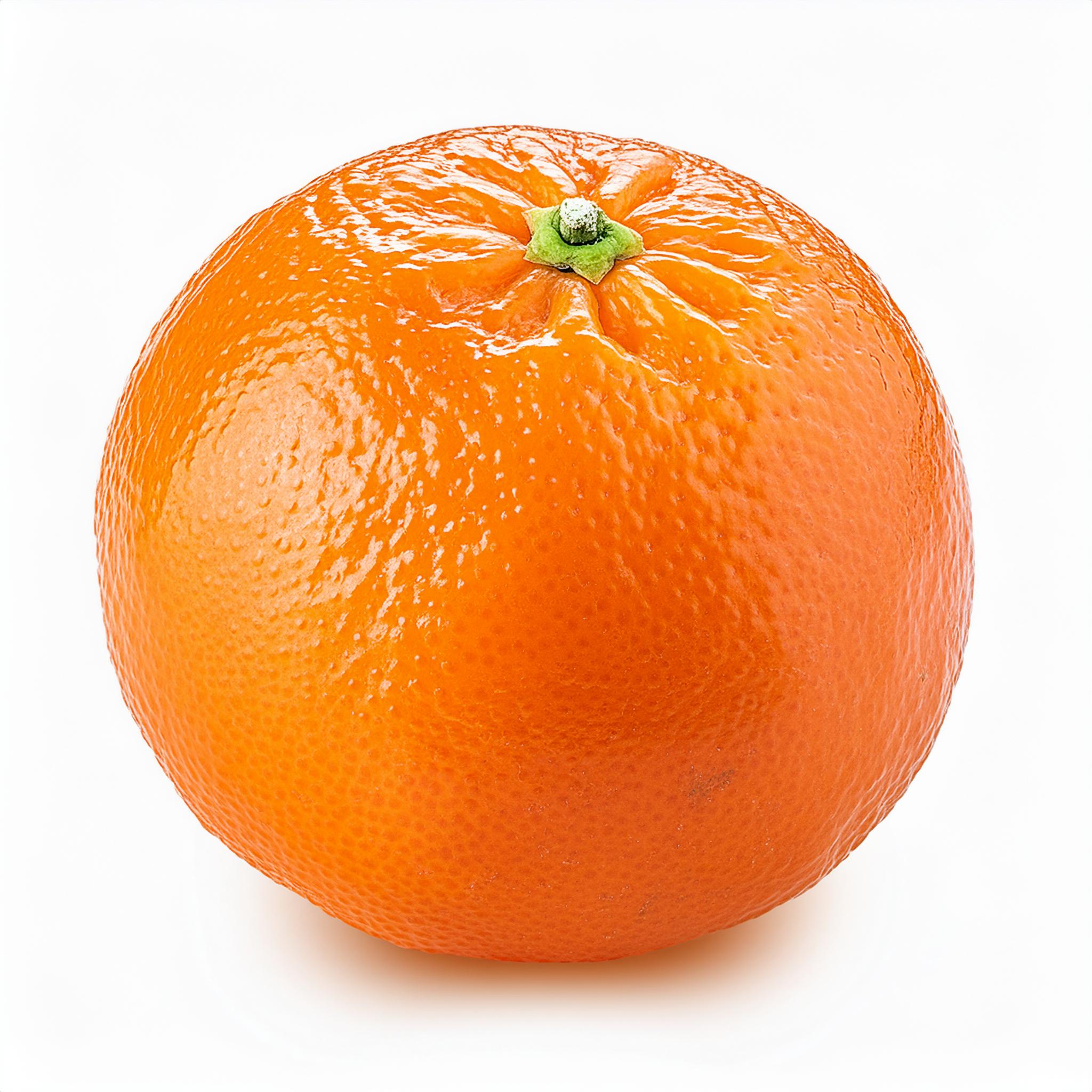
The mandarin, Citrus reticulata, is a small citrus tree originally from southern China and South-East Asia, now grown throughout the warm regions of the world. It stays fairly compact, with glossy leaves, and bears flattened orange fruits with loose, easily peeled skins. The skin is dotted with tiny oil glands, which is where the essential oil comes from.
Mandarin essential oil ranges from green to yellow-orange depending on when the fruit is picked, with green oil from unripe fruit and red mandarin oil from fully ripe fruit. It smells sweeter and softer than orange, and alongside limonene it naturally contains a small amount of methyl N-methylanthranilate, which gives a faint floral note. It is used in soaps, bath products and blends for children's rooms.
Sourcing & extraction
How Mandarin is sourced and extracted
Why it is rare
Mandarin oil depends on the citrus juice industry and on the time of harvest. Each fruit gives only a few drops, and the separate green, yellow and red oils come from narrow picking windows between autumn and winter.
How it is gathered
In Sicily and Calabria, and in larger volumes in Brazil and Argentina, mandarins are grown in orchards and picked by hand. Harvest usually runs from about October for green oil to January for red oil. The fruit goes to processing plants where the peel oil is taken off first, before the fruit is juiced. The oil is therefore a co-product of juice production rather than a crop grown for oil alone.
How it is made
Cold-expressed from the peel
- Mandarins are hand-picked and delivered whole to citrus processing plants near the orchards.
- The fruit is rolled across abrasive rollers or pricked so that the oil glands in the peel burst open.
- A fine spray of water rinses the released oil away from the peel, forming an oily emulsion.
- The emulsion is spun in a centrifuge to separate the essential oil, which is then cooled and filtered to remove waxes.
How to use Mandarin
- Add a few drops to a diffuser for its aroma.
- For skin, dilute 1 to 2 drops in a teaspoon of carrier oil before applying.
- Keep away from eyes and never use undiluted on skin.
For external use only. Patch test on a small area before first use and stop if irritation occurs. If you are pregnant, nursing or have a medical condition, ask a healthcare professional before use.
From ingredient to routine
Products with Mandarin
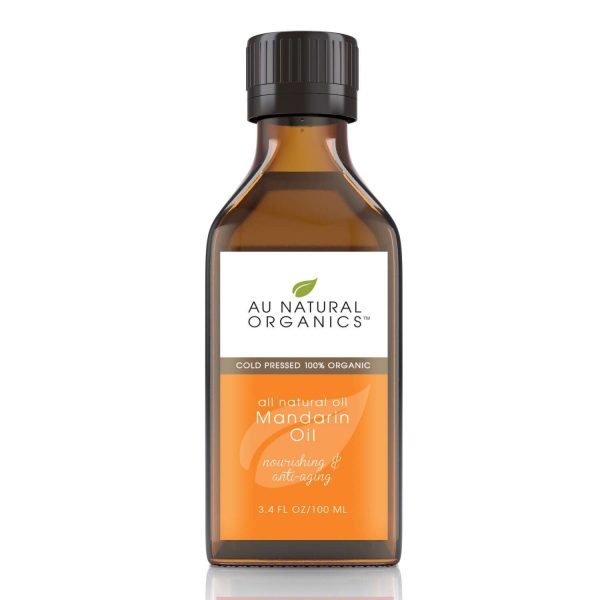
Find this ingredient in our collection.
Questions about Mandarin
Where does Mandarin come from?
In Sicily and Calabria, and in larger volumes in Brazil and Argentina, mandarins are grown in orchards and picked by hand. Harvest usually runs from about October for green oil to January for red oil. The fruit goes to processing plants where the peel oil is taken off first, before the fruit is juiced. The oil is therefore a co-product of juice production rather than a crop grown for oil alone.
How is Mandarin extracted?
Cold-expressed from the peel. Mandarins are hand-picked and delivered whole to citrus processing plants near the orchards. The fruit is rolled across abrasive rollers or pricked so that the oil glands in the peel burst open. A fine spray of water rinses the released oil away from the peel, forming an oily emulsion. The emulsion is spun in a centrifuge to separate the essential oil, which is then cooled and filtered to remove waxes.
Why is Mandarin considered rare?
Mandarin oil depends on the citrus juice industry and on the time of harvest. Each fruit gives only a few drops, and the separate green, yellow and red oils come from narrow picking windows between autumn and winter.