The Ingredient Library
Eucalyptus
Eucalyptus globulus
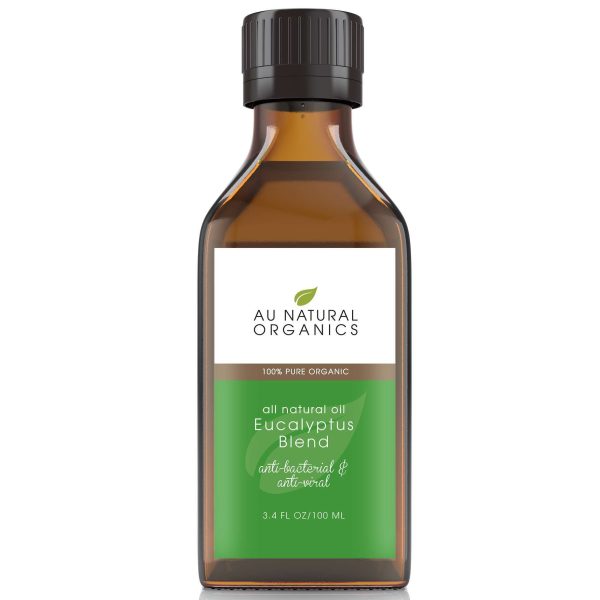
Eucalyptus oil is steam-distilled from the leaves of the Tasmanian blue gum and its relatives. Ours is a eucalyptus blend oil, built around that sharp, camphor-fresh leaf oil.
Get to know Eucalyptus
- Source
- Leaves (in blend)
- Origin
- Australia; grown worldwide
- Extraction
- Steam-distilled, blended
- Aroma
- Fresh, camphoraceous
What it is
Eucalyptus is an aromatic essential oil distilled from the plant.
Why it belongs in your routine
A fresh, camphor-clear blend built on eucalyptus leaf oil.
How to use
Always dilute in a carrier oil before it touches skin. Never use undiluted. Patch test first.
Where Eucalyptus comes from
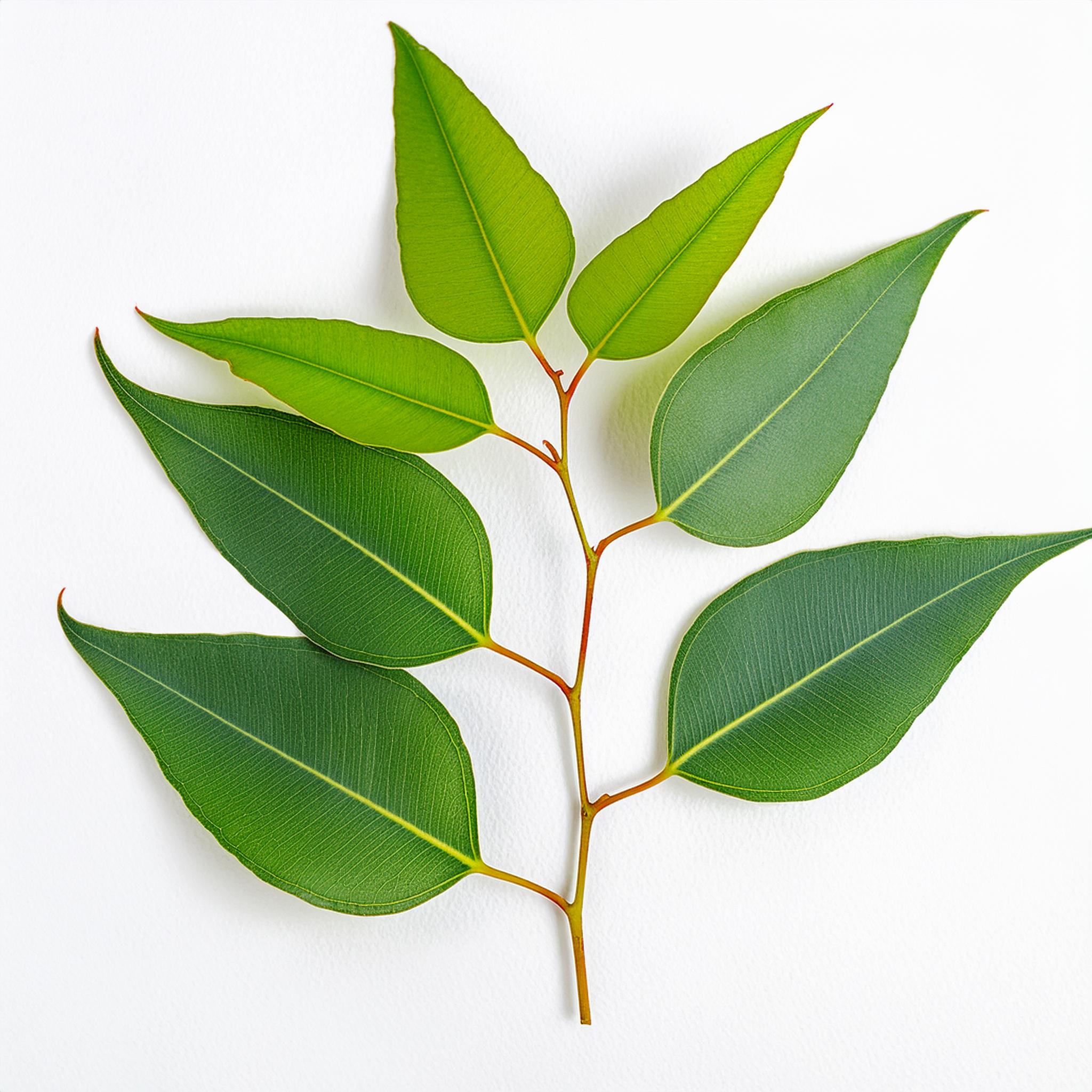
Eucalyptus globulus, the Tasmanian blue gum, is a fast-growing tree native to Tasmania and south-east Australia that can pass 40 metres in height. Young trees carry soft, blue-grey, rounded leaves, while older branches grow long, sickle-shaped dark green leaves dotted with oil glands. Blue gum is now planted widely in China, Portugal, Spain, Chile and South Africa, and most eucalyptus oil is distilled there.
Eucalyptus leaf oil is clear to pale yellow with a sharp, cooling, camphor-like smell that comes mainly from 1,8-cineole, usually 70 percent or more of the rectified oil. Our product is a eucalyptus blend oil, so the leaf oil is combined with other ingredients rather than sold neat. Eucalyptus scent is used in shower products, bath blends, room sprays and steam-room style aromas.
Sourcing & extraction
How Eucalyptus is sourced and extracted
Why it is rare
Eucalyptus oil itself is widely produced, but good leaf oil depends on the species and chemotype, the age of the leaves, and rectification to raise the cineole level. Oil from young coppice growth is usually preferred, which ties distillation to regular cutting cycles.
How it is gathered
Eucalyptus leaves are typically harvested from plantation trees that are cut back and allowed to sprout again from the stump, a practice called coppicing. Branches and leaves are cut by hand or machine, often in dry weather, and taken to nearby field stills within a day or two. The distilled leaf oil is then usually rectified before it reaches blenders, who combine it with other components to make a blend oil like ours.
How it is made
Steam-distilled leaf oil, then blended
- Eucalyptus branches and leaves are cut from coppiced trees and carried to a still close to the plantation.
- Steam passes through the packed leaves for several hours, carrying the volatile oil out of the leaf glands.
- The vapour is cooled in a condenser and the oil separates from the water and is drawn off.
- The crude oil is usually redistilled to lift its cineole content, then blended with the other components of the formula.
How to use Eucalyptus
- Add a few drops to a diffuser for its aroma.
- For skin, dilute 1 to 2 drops in a teaspoon of carrier oil before applying.
- Keep away from eyes and never use undiluted on skin.
For external use only. Patch test on a small area before first use and stop if irritation occurs. If you are pregnant, nursing or have a medical condition, ask a healthcare professional before use.
From ingredient to routine
Products with Eucalyptus
Find this ingredient in our collection.
Questions about Eucalyptus
Where does Eucalyptus come from?
Eucalyptus leaves are typically harvested from plantation trees that are cut back and allowed to sprout again from the stump, a practice called coppicing. Branches and leaves are cut by hand or machine, often in dry weather, and taken to nearby field stills within a day or two. The distilled leaf oil is then usually rectified before it reaches blenders, who combine it with other components to make a blend oil like ours.
How is Eucalyptus extracted?
Steam-distilled leaf oil, then blended. Eucalyptus branches and leaves are cut from coppiced trees and carried to a still close to the plantation. Steam passes through the packed leaves for several hours, carrying the volatile oil out of the leaf glands. The vapour is cooled in a condenser and the oil separates from the water and is drawn off. The crude oil is usually redistilled to lift its cineole content, then blended with the other components of the formula.
Why is Eucalyptus considered rare?
Eucalyptus oil itself is widely produced, but good leaf oil depends on the species and chemotype, the age of the leaves, and rectification to raise the cineole level. Oil from young coppice growth is usually preferred, which ties distillation to regular cutting cycles.