The Ingredient Library
Mamey Zapote
Pouteria sapota
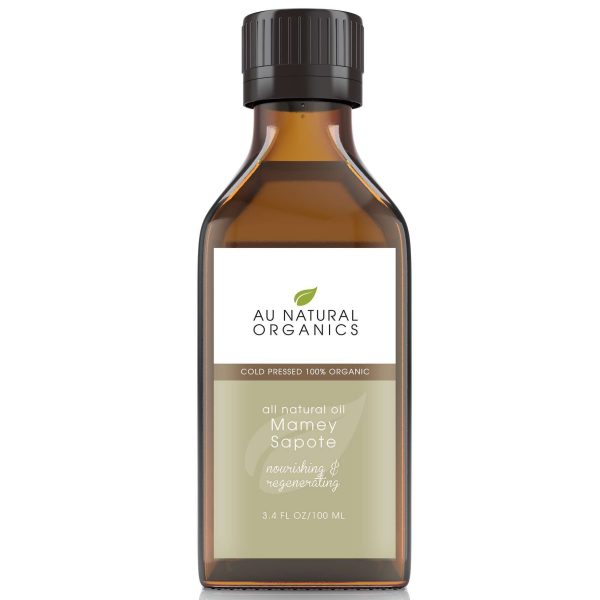
Mamey sapote oil, called sapuyul oil in Mexico, is pressed from the glossy seed of the mamey fruit, a tropical tree native to southern Mexico and Central America.
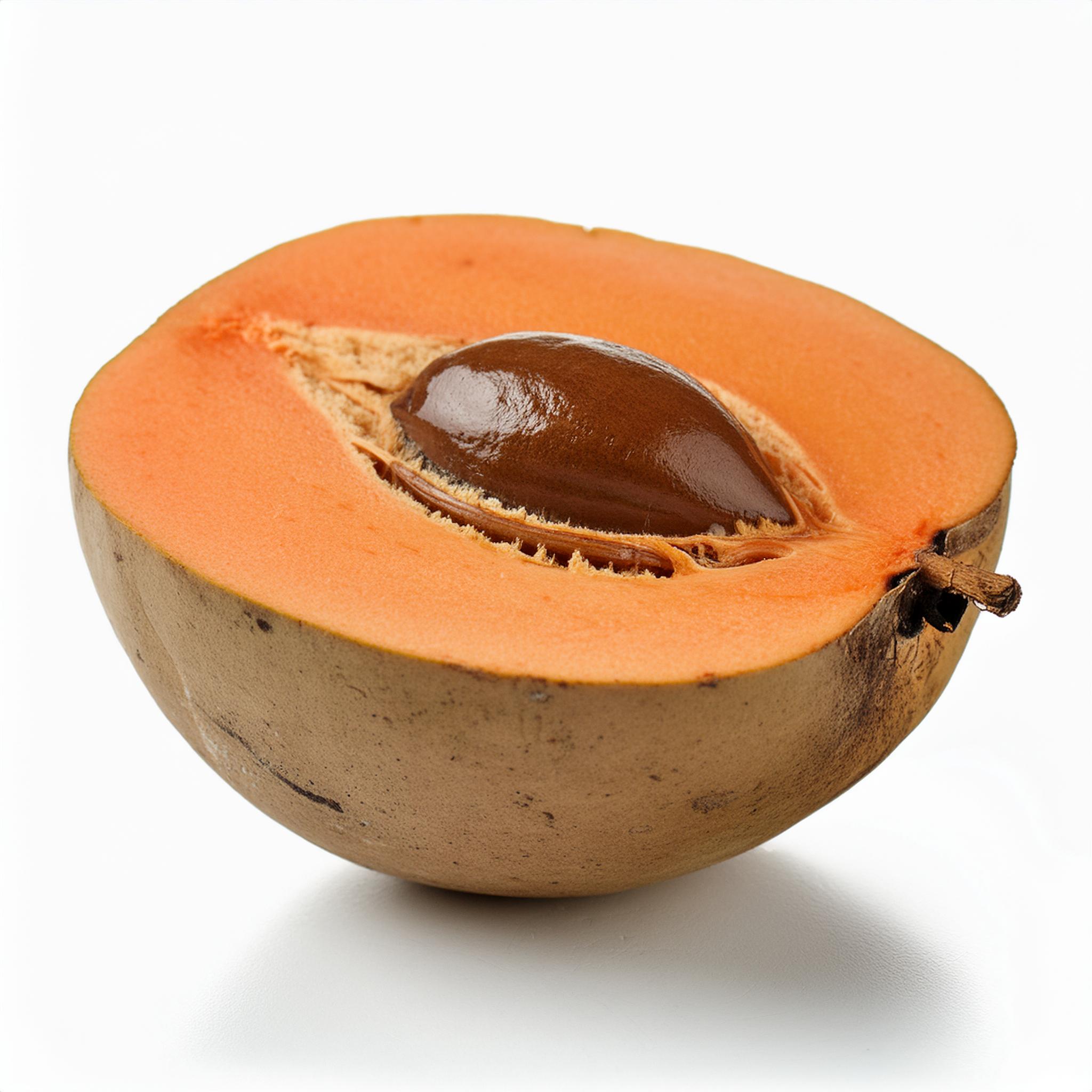
Get to know Mamey Zapote
- Source
- Seed kernel
- Origin
- Mexico, Central America
- Extraction
- Pressed from kernel
- Texture
- Rich, smooth, almond scent
What it is
Mamey Zapote is a botanical carrier oil used in hair and skin care.
Why it belongs in your routine
Sapuyul oil pressed from the large seed of the mamey sapote fruit.
How to use
Warm a few drops between your palms and smooth over hair or skin. Patch test before use.
Where Mamey Zapote comes from
The mamey sapote, Pouteria sapota, is a large evergreen tree that can reach 15 to 45 metres. It is thought to come from southern Mexico, in Veracruz, Tabasco and Chiapas, and was grown across tropical America long before European arrival. Its fruit is 10 to 25 cm long, with rough brown skin and soft salmon-red flesh, and inside sits one large, shiny, dark brown seed.
Mamey sapote oil is golden, with a mild almond-like scent and a rich but smooth feel on skin. In Mexico and Central America the seed oil has long been used for cooking and soap making, and it is best known as a hair oil, where it adds shine and softens. It also appears in body oils and cream formulas.
Sourcing & extraction
How Mamey Zapote is sourced and extracted
Why it is rare
The oil comes only from the seed, which must first be removed from fruit sold for eating, then dried and cracked. Each fruit gives just one seed, so large numbers of mamey are needed for even a modest amount of oil.
How it is gathered
Mamey sapote is grown in orchards and home gardens across Mexico and Central America, and the fruit ripens at different times depending on the region. The seeds are typically a by-product: they are saved from fruit eaten fresh or used in juice and ice cream stands and small processors. The seeds are washed, dried in the sun and taken to local presses, where the kernel is separated from the hard, glossy seed coat.
How it is made
Cold-pressed from the seed kernel
- Seeds are saved from ripe mamey fruit after the flesh is used, then washed to remove any clinging pulp.
- The seeds are dried in the sun, and the hard outer coat is cracked to free the oily inner kernel.
- The kernels are ground and pressed at low temperature in a mechanical press to release the oil.
- The oil is left to settle and then filtered to remove fine seed particles before bottling.
How to use Mamey Zapote
- Start with a few drops and warm them between your palms.
- Massage into clean skin, or work through the lengths of damp or dry hair.
- Use on its own, or add a few drops to your moisturizer or conditioner.
For external use only. Patch test on a small area before first use and stop if irritation occurs. If you are pregnant, nursing or have a medical condition, ask a healthcare professional before use.
From ingredient to routine
Products with Mamey Zapote
Find this ingredient in our collection.

Questions about Mamey Zapote
Where does Mamey Zapote come from?
Mamey sapote is grown in orchards and home gardens across Mexico and Central America, and the fruit ripens at different times depending on the region. The seeds are typically a by-product: they are saved from fruit eaten fresh or used in juice and ice cream stands and small processors. The seeds are washed, dried in the sun and taken to local presses, where the kernel is separated from the hard, glossy seed coat.
How is Mamey Zapote extracted?
Cold-pressed from the seed kernel. Seeds are saved from ripe mamey fruit after the flesh is used, then washed to remove any clinging pulp. The seeds are dried in the sun, and the hard outer coat is cracked to free the oily inner kernel. The kernels are ground and pressed at low temperature in a mechanical press to release the oil. The oil is left to settle and then filtered to remove fine seed particles before bottling.
Why is Mamey Zapote considered rare?
The oil comes only from the seed, which must first be removed from fruit sold for eating, then dried and cracked. Each fruit gives just one seed, so large numbers of mamey are needed for even a modest amount of oil.