The Ingredient Library
Kiwi Fruit Seed
Actinidia chinensis
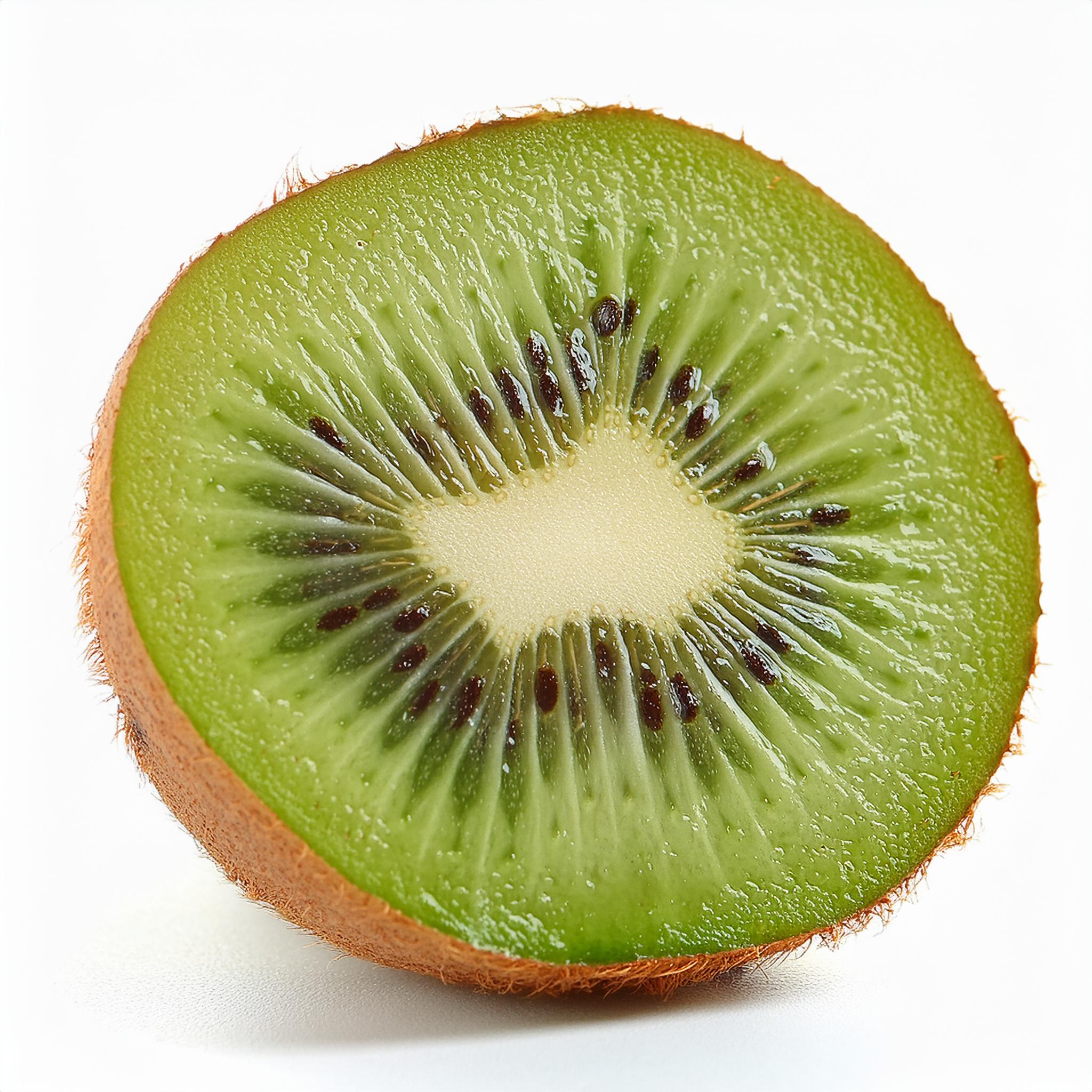
Kiwi fruit seed oil is cold-pressed from the tiny black seeds of kiwifruit, a vine native to China and now grown in New Zealand and Italy. Seeds come from fruit pulped for juice.
Get to know kiwi fruit seed oil
- Source
- Fruit seeds
- Origin
- China, NZ, Italy
- Extraction
- Cold-pressed
- Texture
- Very light, dry
What it is
Kiwi Fruit Seed is a botanical carrier oil used in hair and skin care.
Why it belongs in your routine
Light seed oil from tiny kiwifruit seeds, rich in alpha-linolenic acid.
How to use
Warm a few drops between your palms and smooth over hair or skin. Patch test before use.
Where does kiwi fruit seed oil come from?
Kiwifruit, Actinidia chinensis, is a vigorous woody climbing vine native to the Yangtze valley of China, where it was known as Chinese gooseberry. On farms it is trained over wires on T-bars or pergolas, and male and female flowers grow on separate vines. The brown, fuzzy or smooth-skinned fruit has green or golden flesh around a ring of hundreds of tiny black seeds. China, New Zealand and Italy are leading growers.
Kiwi fruit seed oil is pale yellow-green with a faint, fresh smell. It is typically very high in alpha-linolenic acid, an omega-3 fatty acid, often around 60 percent, with smaller amounts of linoleic and oleic acid. It feels very light and dry, and is used in face oils, serums and light moisturisers.
Sourcing & extraction
How kiwi fruit seed oil is sourced and extracted
Why it is rare
Kiwi seeds make up only a small share of the fruit's weight and are tiny, so a large amount of fruit must be processed for a small quantity of seed. Its high omega-3 content also means the oil must be handled carefully to stay fresh.
How it is gathered
Kiwifruit is typically picked by hand in autumn, from late March to June in New Zealand and October to November in Italy and China. Seeds for oil are usually recovered as a by-product of juice and puree making, where the pulp is sieved and the seeds washed out. The clean seeds are dried at low heat and sent to small cold-press operations.
How it is made
Cold-pressed from the seed
- Kiwifruit pulp from juice and puree making is washed through fine screens to separate the tiny seeds.
- The seeds are rinsed and dried gently at low temperature.
- A small expeller presses the dried seeds without added heat.
- The oil is settled, filtered and bottled quickly in dark containers to keep it fresh.
How to use kiwi fruit seed oil
- Start with a few drops and warm them between your palms.
- Massage into clean skin, or work through the lengths of damp or dry hair.
- Use on its own, or add a few drops to your moisturizer or conditioner.
For external use only. Patch test on a small area before first use and stop if irritation occurs. If you are pregnant, nursing or have a medical condition, ask a healthcare professional before use.
From ingredient to routine
Products with Kiwi Fruit Seed
Find this ingredient in our collection.

Questions about Kiwi Fruit Seed
Where does Kiwi Fruit Seed come from?
Kiwifruit is typically picked by hand in autumn, from late March to June in New Zealand and October to November in Italy and China. Seeds for oil are usually recovered as a by-product of juice and puree making, where the pulp is sieved and the seeds washed out. The clean seeds are dried at low heat and sent to small cold-press operations.
How is Kiwi Fruit Seed extracted?
Cold-pressed from the seed. Kiwifruit pulp from juice and puree making is washed through fine screens to separate the tiny seeds. The seeds are rinsed and dried gently at low temperature. A small expeller presses the dried seeds without added heat. The oil is settled, filtered and bottled quickly in dark containers to keep it fresh.
Why is Kiwi Fruit Seed considered rare?
Kiwi seeds make up only a small share of the fruit's weight and are tiny, so a large amount of fruit must be processed for a small quantity of seed. Its high omega-3 content also means the oil must be handled carefully to stay fresh.