The Ingredient Library
Ficus Carica
Ficus carica
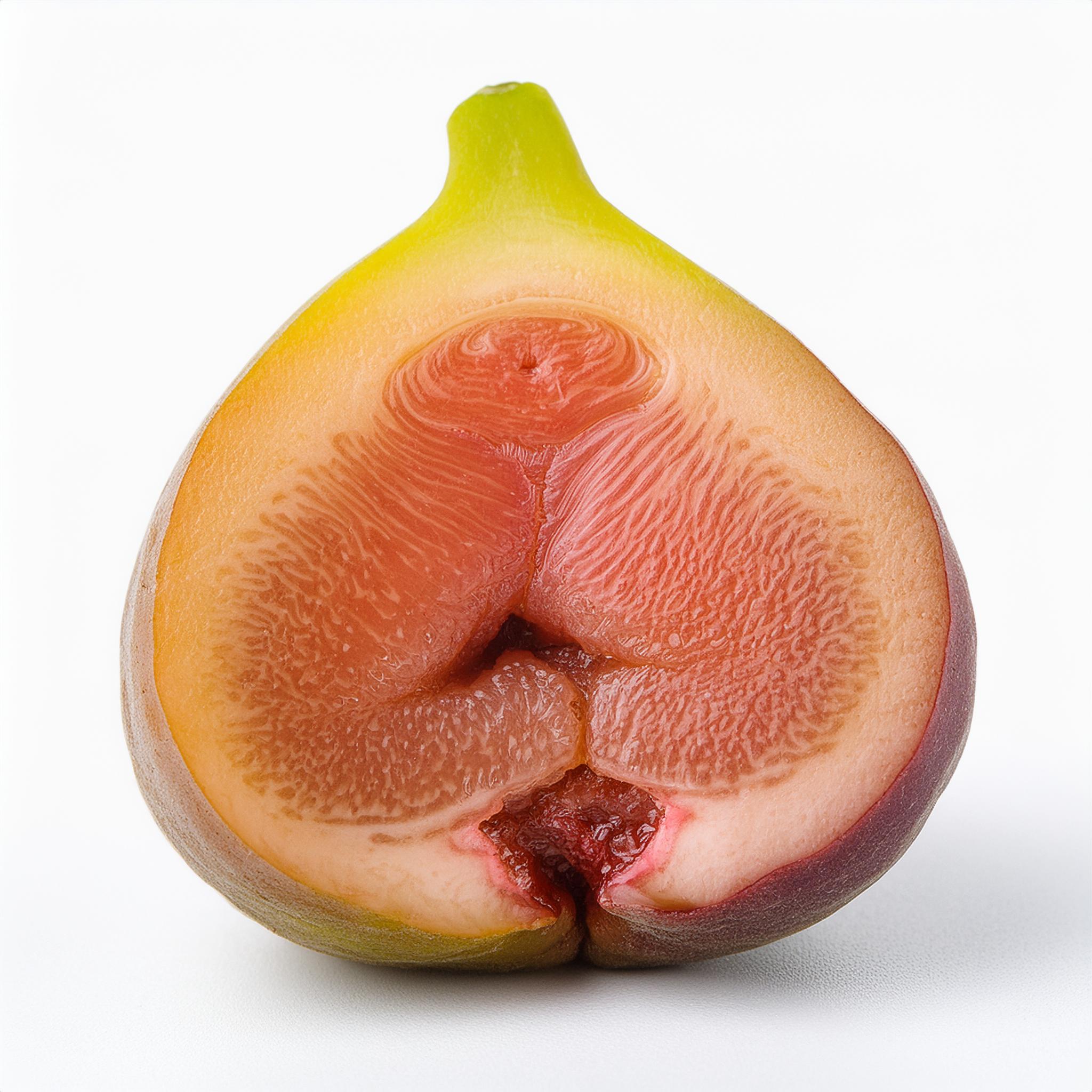
Fig seed oil is cold-pressed from the tiny seeds inside the common fig, a Mediterranean fruit tree. Each fig holds hundreds of seeds, and it takes a great many figs to press a small bottle.
Get to know Ficus Carica
- Source
- Fruit seeds
- Origin
- Mediterranean basin
- Extraction
- Cold-pressed
- Texture
- Light, dry finish
What it is
Ficus Carica is a botanical carrier oil used in hair and skin care.
Why it belongs in your routine
Light seed oil pressed from the tiny seeds of the Mediterranean fig.
How to use
Warm a few drops between your palms and smooth over hair or skin. Patch test before use.
Where Ficus Carica comes from
The common fig, Ficus carica, is a deciduous tree or large shrub native to the Mediterranean and western Asia, usually growing 3 to 10 metres tall with broad, lobed leaves. What we call the fruit is a hollow flower head lined with tiny flowers, and each one ripens into a small crunchy seed. Turkey is the largest fig grower, followed by Egypt, Morocco and Algeria.
Fig seed oil is pale yellow to light green with a mild, slightly nutty smell. It is high in polyunsaturated fatty acids, typically with large shares of both linoleic and alpha-linolenic acid, and naturally contains tocopherols. It absorbs quickly and leaves a dry, soft finish, so it suits face oils, serums and light body oils.
Sourcing & extraction
How Ficus Carica is sourced and extracted
Why it is rare
Fig seeds are tiny, each only a millimetre or two across, and must be separated from the fruit pulp, washed and dried before pressing. Their oil content is modest, so a large volume of seed, gathered from many kilograms of fruit, is needed for each litre.
How it is gathered
Figs are harvested by hand in late summer and early autumn in orchards around the Mediterranean, with Turkey's Aegean region among the largest growing areas. In most cases the seeds used for oil are a by-product of fig paste, jam and dried fruit processing, where the pulp is sieved and the seeds recovered. The seeds are then washed, dried and sent in sacks to specialist oil presses.
How it is made
Cold-pressed from the seed
- Fig pulp left from jam, paste or juice making is washed through fine sieves to separate the tiny seeds.
- The seeds are rinsed and dried at low temperature until their moisture is low enough for pressing.
- A small expeller presses the dried seeds without added heat, releasing a thin stream of oil.
- The oil is left to settle and then filtered to give a clear, pale fig seed oil.
How to use Ficus Carica
- Start with a few drops and warm them between your palms.
- Massage into clean skin, or work through the lengths of damp or dry hair.
- Use on its own, or add a few drops to your moisturizer or conditioner.
For external use only. Patch test on a small area before first use and stop if irritation occurs. If you are pregnant, nursing or have a medical condition, ask a healthcare professional before use.
From ingredient to routine
Products with Ficus Carica
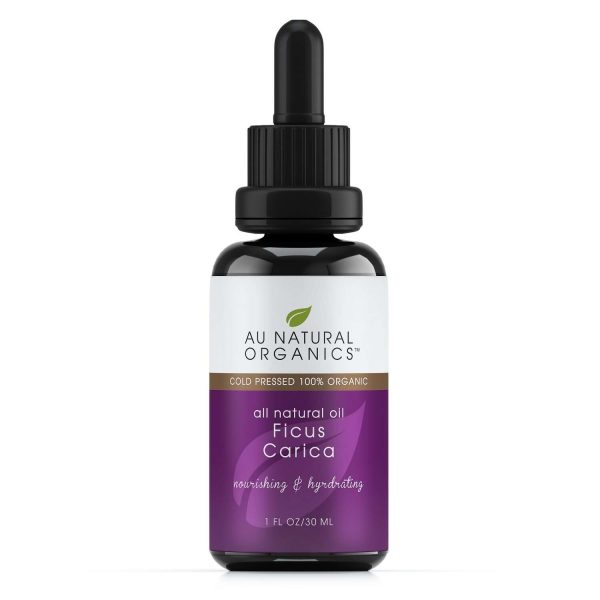
Find this ingredient in our collection.

Questions about Ficus Carica
Where does Ficus Carica come from?
Figs are harvested by hand in late summer and early autumn in orchards around the Mediterranean, with Turkey's Aegean region among the largest growing areas. In most cases the seeds used for oil are a by-product of fig paste, jam and dried fruit processing, where the pulp is sieved and the seeds recovered. The seeds are then washed, dried and sent in sacks to specialist oil presses.
How is Ficus Carica extracted?
Cold-pressed from the seed. Fig pulp left from jam, paste or juice making is washed through fine sieves to separate the tiny seeds. The seeds are rinsed and dried at low temperature until their moisture is low enough for pressing. A small expeller presses the dried seeds without added heat, releasing a thin stream of oil. The oil is left to settle and then filtered to give a clear, pale fig seed oil.
Why is Ficus Carica considered rare?
Fig seeds are tiny, each only a millimetre or two across, and must be separated from the fruit pulp, washed and dried before pressing. Their oil content is modest, so a large volume of seed, gathered from many kilograms of fruit, is needed for each litre.