The Ingredient Library
Boswellia Serrata
Boswellia serrata
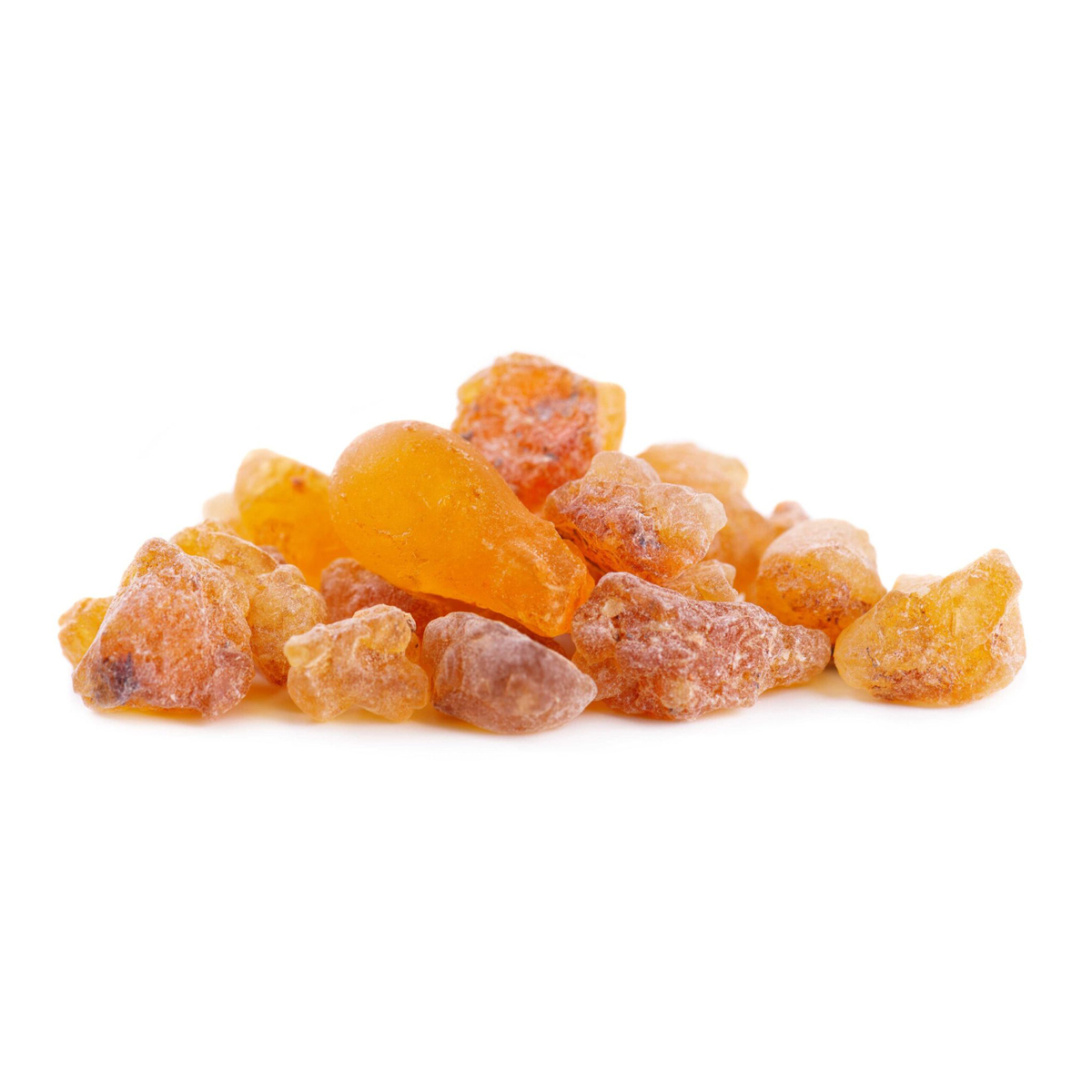
Boswellia serrata essential oil, known as Indian frankincense, is steam distilled from the gum resin tapped from dry-forest trees in central and western India.
Get to know Boswellia Serrata
- Source
- Oleo-gum resin
- Origin
- India
- Extraction
- Steam distilled
- Aroma
- Fresh, piney, resinous
What it is
Boswellia Serrata is an aromatic essential oil distilled from the plant.
Why it belongs in your routine
Indian frankincense oil, distilled from resin tapped in India's dry forests.
How to use
Always dilute in a carrier oil before it touches skin. Never use undiluted. Patch test first.
Where Boswellia Serrata comes from
Boswellia serrata is a deciduous tree of the dry forests and rocky hills of India, found in states such as Madhya Pradesh, Chhattisgarh, Gujarat, Rajasthan and Andhra Pradesh. It grows to around 12 to 15 metres, with papery, peeling bark and feathery compound leaves that drop in the hot season. When the bark is cut, the tree releases a milky oleo-gum resin that hardens into pale, yellowish tears known locally as salai guggul.
Indian frankincense essential oil is clear to pale yellow with a fresh, peppery and piney scent, lighter than many African frankincense oils. It typically contains a high proportion of alpha-thujene along with alpha-pinene and other monoterpenes. It is used in perfumery, diffuser blends, massage blends and incense-style room scents, and pairs well with citrus, cedarwood and spice oils.
Sourcing & extraction
How Boswellia Serrata is sourced and extracted
Why it is rare
The resin is collected from wild forest trees, not plantations, and each tree gives only a limited amount per season. Harvest depends on dry weather, and forest rules in several Indian states restrict tapping, which keeps supply small and variable.
How it is gathered
Resin is typically gathered by forest-dwelling and tribal communities in central India during the dry months after the monsoon. Collectors cut shallow notches in the bark and return every few days to scrape off the hardened resin that has oozed out. The resin is dried, sorted by size and cleanliness, and sold through local forest produce markets or cooperatives run by state forest departments. Traders then pass it to distillers, most of them in India.
How it is made
Steam distilled from the resin
- Collectors tap wild trees by making shallow cuts in the bark, then scrape off the resin once it has hardened.
- The resin is sorted and cleaned of bark and soil, then broken into small pieces so steam can reach it evenly.
- Steam is passed through the resin in a still, carrying the volatile aromatic compounds up into a condenser.
- The cooled vapour separates in a collecting vessel, and the essential oil floating on top is drawn off and filtered.
How to use Boswellia Serrata
- Add a few drops to a diffuser for its aroma.
- For skin, dilute 1 to 2 drops in a teaspoon of carrier oil before applying.
- Keep away from eyes and never use undiluted on skin.
For external use only. Patch test on a small area before first use and stop if irritation occurs. If you are pregnant, nursing or have a medical condition, ask a healthcare professional before use.
From ingredient to routine
Products with Boswellia Serrata
Find this ingredient in our collection.

Questions about Boswellia Serrata
Where does Boswellia Serrata come from?
Resin is typically gathered by forest-dwelling and tribal communities in central India during the dry months after the monsoon. Collectors cut shallow notches in the bark and return every few days to scrape off the hardened resin that has oozed out. The resin is dried, sorted by size and cleanliness, and sold through local forest produce markets or cooperatives run by state forest departments. Traders then pass it to distillers, most of them in India.
How is Boswellia Serrata extracted?
Steam distilled from the resin. Collectors tap wild trees by making shallow cuts in the bark, then scrape off the resin once it has hardened. The resin is sorted and cleaned of bark and soil, then broken into small pieces so steam can reach it evenly. Steam is passed through the resin in a still, carrying the volatile aromatic compounds up into a condenser. The cooled vapour separates in a collecting vessel, and the essential oil floating on top is drawn off and filtered.
Why is Boswellia Serrata considered rare?
The resin is collected from wild forest trees, not plantations, and each tree gives only a limited amount per season. Harvest depends on dry weather, and forest rules in several Indian states restrict tapping, which keeps supply small and variable.