The Ingredient Library
Andiroba
Carapa guianensis
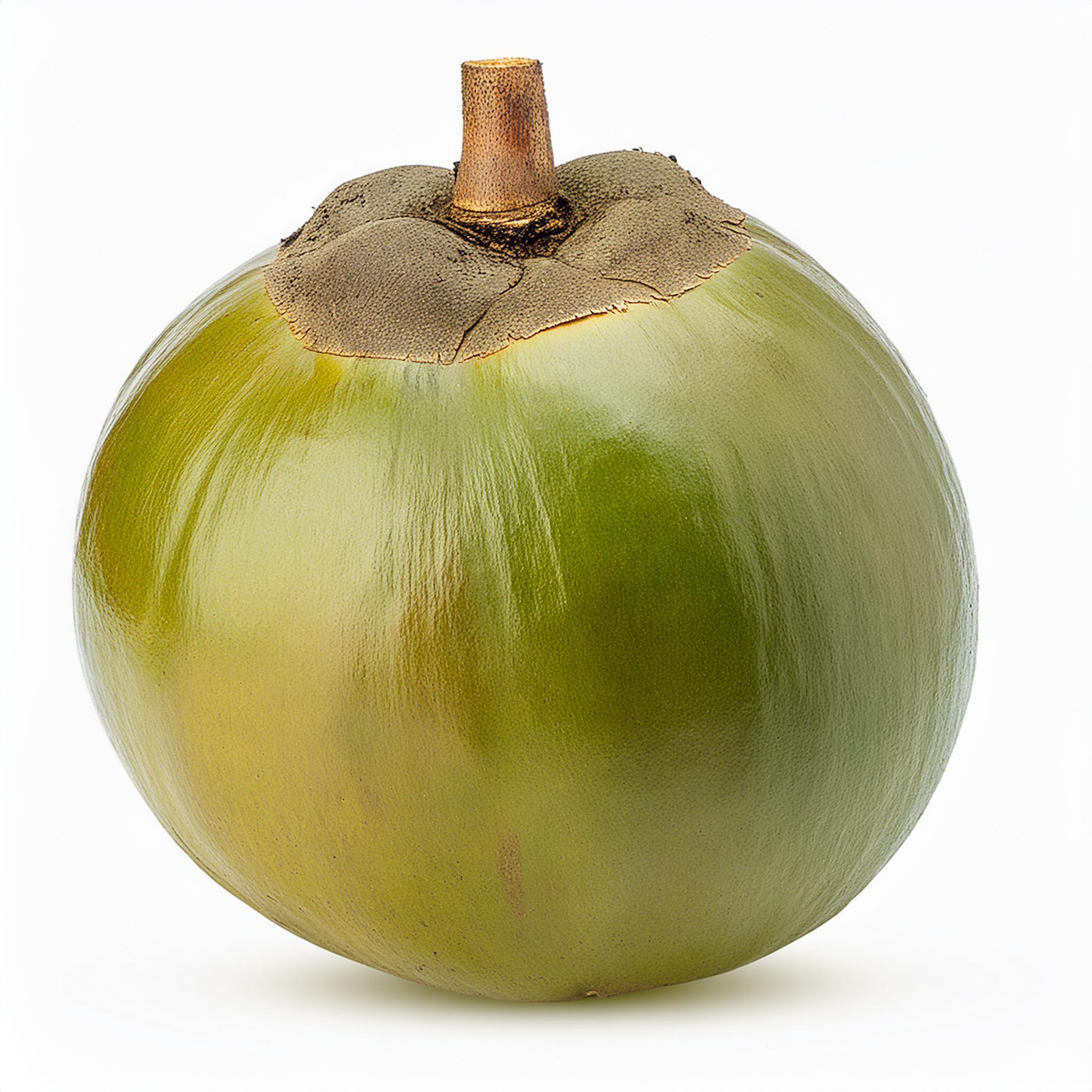
Andiroba oil is pressed from the large seeds of a tall Amazon rainforest tree; the seeds are gathered by hand from the forest floor in Brazil after they fall in the rainy season.
Get to know Andiroba
- Source
- Seed kernel
- Origin
- Amazon basin, Brazil
- Extraction
- Cold-pressed
- Texture
- Rich, thick
What it is
Andiroba is a botanical carrier oil used in hair and skin care.
Why it belongs in your routine
Rich Amazonian seed oil that sets semi-solid when cool.
How to use
Warm a few drops between your palms and smooth over hair or skin. Patch test before use.
Where Andiroba comes from
Andiroba, Carapa guianensis, is a rainforest tree of the mahogany family that grows across the Amazon basin, the Guianas and parts of Central America, often in seasonally flooded forest along rivers. It can reach 30 metres or more. Its round, woody fruit capsules split open when they hit the ground and release four to six angular brown seeds, each about the size of a chestnut and packed with oil.
Andiroba oil is pale yellow to amber and has a distinctly bitter, earthy smell. It is rich in oleic and palmitic acid and naturally contains limonoids, the compounds behind its bitterness. It thickens and turns partly solid below about 25 °C, and gives a cushioned, rich feel on the skin. Andiroba oil is used in soaps, body balms, hair oils and massage blends.
Sourcing & extraction
How Andiroba is sourced and extracted
Why it is rare
Andiroba seeds are almost entirely collected from wild trees rather than plantations. They fall over a few months each year, are easily eaten by animals or ruined by insects on the damp forest floor, and must be gathered quickly by people who know where the trees stand.
How it is gathered
Andiroba oil comes mostly from riverside and forest communities in Pará, Amazonas and Amapá in Brazil. Families walk known trails or paddle to flooded forest during the rainy season, roughly January to June, and pick up fallen seeds or scoop them from the water. The seeds are washed, sorted and sold to local buyers or community presses, where they are dried before pressing. Some families still make oil at home by the traditional boiling method.
How it is made
Cold-pressed from the seed kernel
- Fallen seeds are collected, washed and sorted, and any damaged or germinating seeds are discarded.
- The seeds are dried in the sun or a low-heat dryer, then cracked and the kernels separated from the shells.
- Kernels are pressed in a mechanical expeller, which squeezes out a thick, pale amber oil.
- The oil is left to settle for several days so solids sink, then filtered before packing.
How to use Andiroba
- Start with a few drops and warm them between your palms.
- Massage into clean skin, or work through the lengths of damp or dry hair.
- Use on its own, or add a few drops to your moisturizer or conditioner.
For external use only. Patch test on a small area before first use and stop if irritation occurs. If you are pregnant, nursing or have a medical condition, ask a healthcare professional before use.
From ingredient to routine
Products with Andiroba
Find this ingredient in our collection.
Questions about Andiroba
Where does Andiroba come from?
Andiroba oil comes mostly from riverside and forest communities in Pará, Amazonas and Amapá in Brazil. Families walk known trails or paddle to flooded forest during the rainy season, roughly January to June, and pick up fallen seeds or scoop them from the water. The seeds are washed, sorted and sold to local buyers or community presses, where they are dried before pressing. Some families still make oil at home by the traditional boiling method.
How is Andiroba extracted?
Cold-pressed from the seed kernel. Fallen seeds are collected, washed and sorted, and any damaged or germinating seeds are discarded. The seeds are dried in the sun or a low-heat dryer, then cracked and the kernels separated from the shells. Kernels are pressed in a mechanical expeller, which squeezes out a thick, pale amber oil. The oil is left to settle for several days so solids sink, then filtered before packing.
Why is Andiroba considered rare?
Andiroba seeds are almost entirely collected from wild trees rather than plantations. They fall over a few months each year, are easily eaten by animals or ruined by insects on the damp forest floor, and must be gathered quickly by people who know where the trees stand.