The Ingredient Library
Argan
Argania spinosa
Our argan oil blends start with argan oil from southwest Morocco, where the kernels are still cracked by hand, and pair it with prickly pear, tamanu, jojoba or shea.
Get to know argan oil
- Source
- Kernel, plus blend oils
- Origin
- Southwest Morocco
- Extraction
- Cold-pressed, blended
- Texture
- Silky to rich
What it is
Argan is a botanical carrier oil used in hair and skin care.
Why it belongs in your routine
Moroccan argan oil blended with prickly pear, tamanu, jojoba or shea.
How to use
Warm a few drops between your palms and smooth over hair or skin. Patch test before use.
Where does argan oil come from?
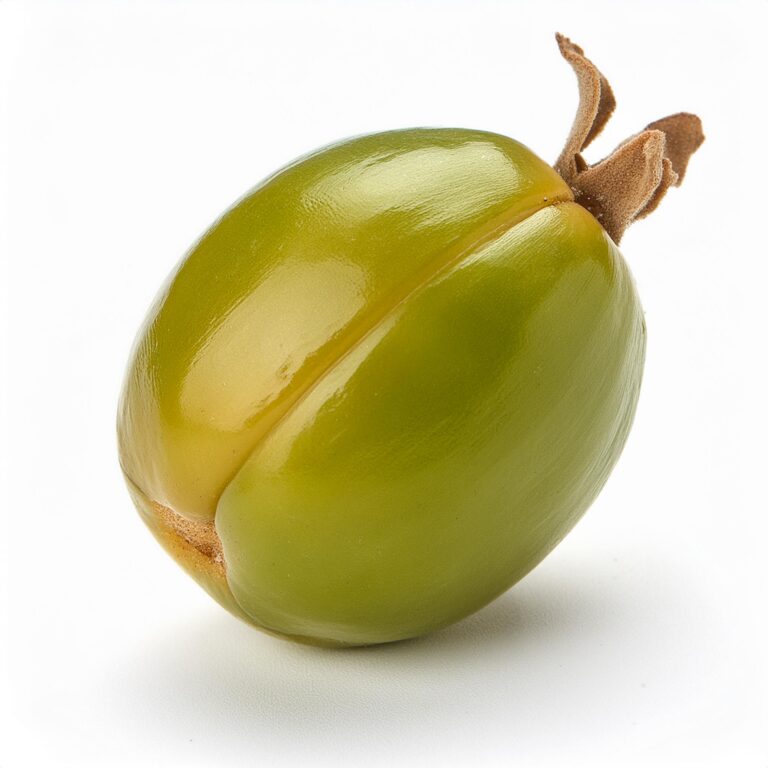
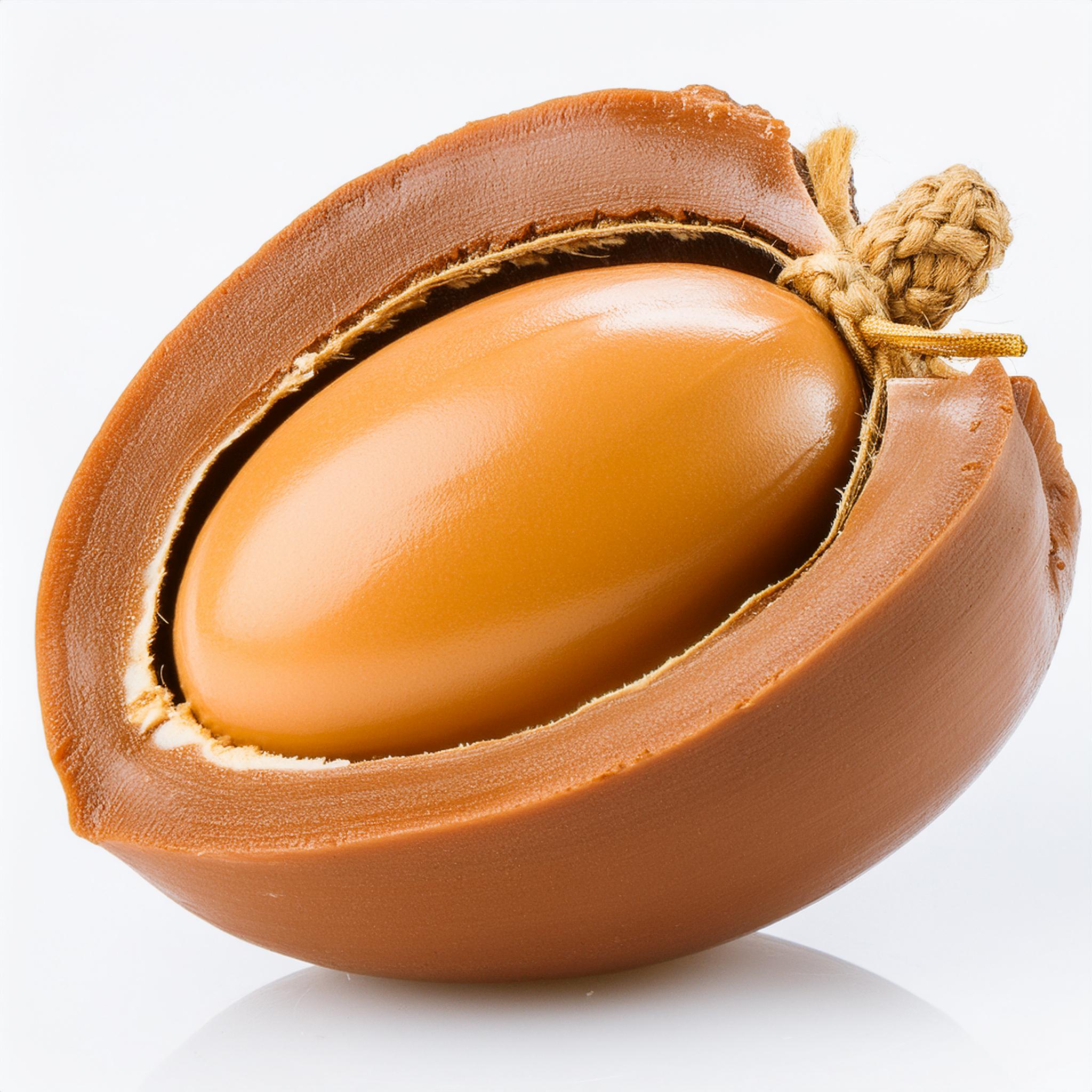
The argan tree, Argania spinosa, grows almost only in southwest Morocco, across the Souss plain and the foothills of the Anti-Atlas and High Atlas between Essaouira and Agadir. It is a thorny, gnarled tree, usually eight to ten metres tall, with roots that reach deep into dry, stony soil. The Arganeraie was named a UNESCO biosphere reserve in 1998. Its olive-sized fruit holds a very hard nut containing one to three oily kernels.
These are blends, and each partner oil comes from a different plant. Argan oil is golden and silky, rich in oleic and linoleic acid. Prickly pear and barbary fig seed oil both come from Opuntia ficus-indica and feel light and dry. Tamanu oil from Calophyllum inophyllum is green and rich, jojoba is a liquid wax from a Sonoran Desert shrub, and shea butter adds soft body. The blends suit face, hair and body care.
Sourcing & extraction
How argan oil is sourced and extracted
Why it is rare
Argan grows naturally in one small corner of the world, and the nuts are among the hardest to crack of any oil seed. Kernel extraction is still largely done by hand with stones, which takes many hours of work for each litre of argan oil.
How it is gathered
Argan fruit ripens and falls from about June to August. Families and women's cooperatives in the Souss region gather it from the ground, dry it in the sun and strip off the pulp. The nuts are then cracked one by one between two stones to free the kernels. The other oils in these blends come from their own regions: prickly pear seed from North Africa, tamanu nuts from the tropical Pacific and Asia, jojoba seed from Arizona and Mexico, and shea nuts from West Africa.
How it is made
Cold-pressed oils, then blended
- Argan fruit is sun-dried and hulled, and the nuts are cracked by hand to free the small, pale kernels.
- The raw, unroasted kernels are cold-pressed for cosmetic argan oil, which is then settled and filtered.
- Partner oils such as prickly pear seed, tamanu and jojoba are pressed separately in their own regions.
- The finished oils, and shea butter where used, are measured and mixed together to make each blend.
How to use argan oil
- Start with a few drops and warm them between your palms.
- Massage into clean skin, or work through the lengths of damp or dry hair.
- Use on its own, or add a few drops to your moisturizer or conditioner.
For external use only. Patch test on a small area before first use and stop if irritation occurs. If you are pregnant, nursing or have a medical condition, ask a healthcare professional before use.
From ingredient to routine
Products with Argan
Find this ingredient in our collection.
-
Argan Prickly Pear Oil Blend for Face & Skin
View product -
Argan Tamanu Oil Blend for Skin
View product -
Argan Jojoba Oil Blend for Skin & Hair
View product -
Argan Barbary Oil Blend for Hair & Skin
View product -
Argan Shea Oil Blend for Hair & Skin
View product -
Argan Opuntia Macera Oil
View product -
Argan Bergamot Oil Blend for Skin & Hair
View product


Questions about Argan
Where does Argan come from?
Argan fruit ripens and falls from about June to August. Families and women's cooperatives in the Souss region gather it from the ground, dry it in the sun and strip off the pulp. The nuts are then cracked one by one between two stones to free the kernels. The other oils in these blends come from their own regions: prickly pear seed from North Africa, tamanu nuts from the tropical Pacific and Asia, jojoba seed from Arizona and Mexico, and shea nuts from West Africa.
How is Argan extracted?
Cold-pressed oils, then blended. Argan fruit is sun-dried and hulled, and the nuts are cracked by hand to free the small, pale kernels. The raw, unroasted kernels are cold-pressed for cosmetic argan oil, which is then settled and filtered. Partner oils such as prickly pear seed, tamanu and jojoba are pressed separately in their own regions. The finished oils, and shea butter where used, are measured and mixed together to make each blend.
Why is Argan considered rare?
Argan grows naturally in one small corner of the world, and the nuts are among the hardest to crack of any oil seed. Kernel extraction is still largely done by hand with stones, which takes many hours of work for each litre of argan oil.