The Ingredient Library
Red Cabbage Seed
Brassica oleracea var. capitata f. rubra
Red cabbage seed oil is cold-pressed from the small round seeds of red cabbage plants left to flower. High in erucic acid, it has a light, silky slip that is often compared to silicone.
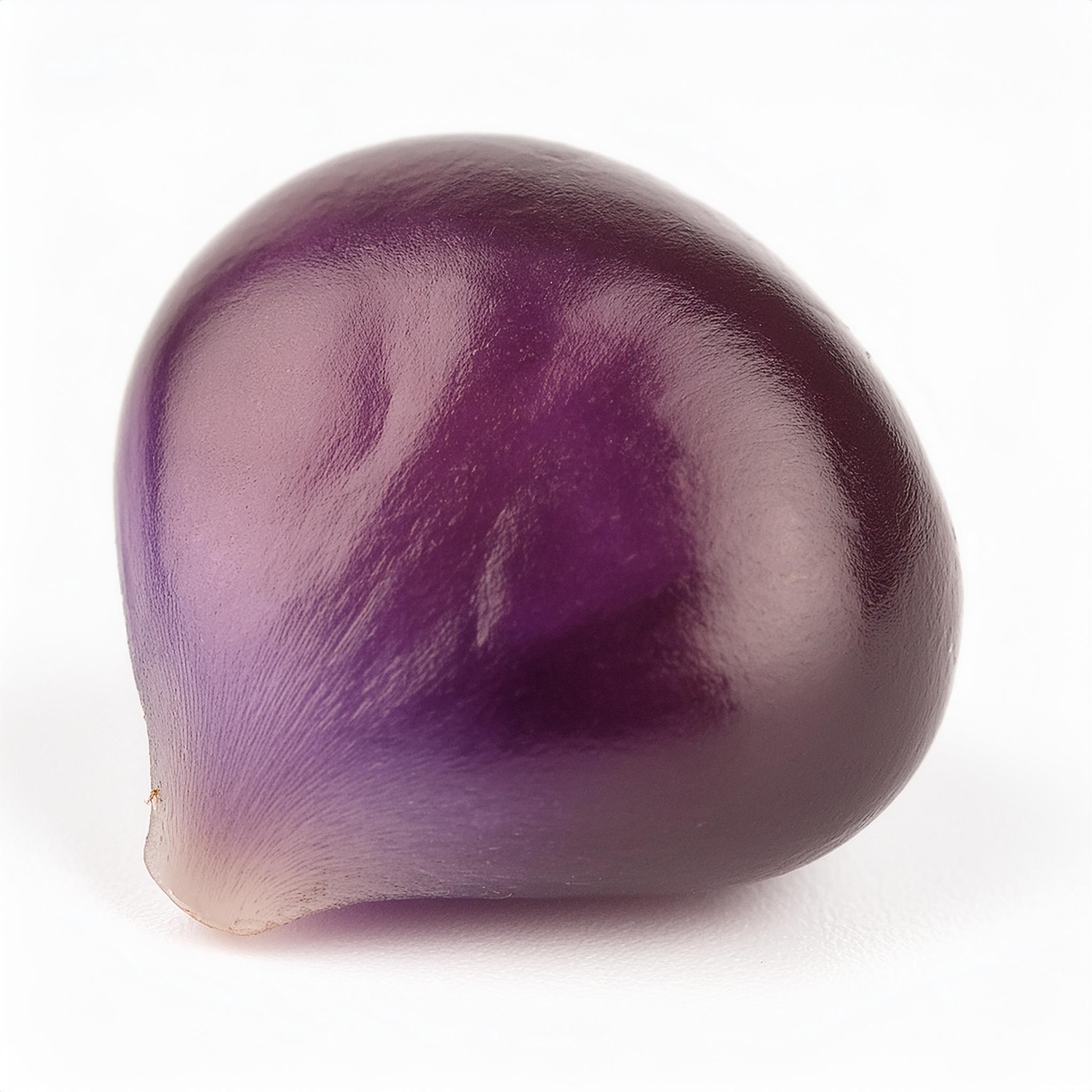
Get to know red cabbage seed oil
- Source
- Seed
- Origin
- Seed farms, Europe & Asia
- Extraction
- Cold-pressed
- Texture
- Silky, light slip
What it is
Red Cabbage Seed is a botanical carrier oil used in hair and skin care.
Why it belongs in your routine
Silky, light oil cold-pressed from red cabbage seed, rich in erucic acid.
How to use
Warm a few drops between your palms and smooth over hair or skin. Patch test before use.
Where does red cabbage seed oil come from?
Red cabbage seed oil comes from Brassica oleracea var. capitata f. rubra, the purple-leaved form of the garden cabbage. Grown for food, cabbage is cut in its first year as a tight head. To make seed, the plant is kept through winter, and in its second year it sends up a branched stalk of yellow, four-petalled flowers that ripen into slender pods full of small, round, dark seeds.
The oil is pale yellow to golden with little smell. Like other cabbage-family seed oils, it contains a high share of erucic acid, a long-chain fatty acid often reported at around 40 to 55 percent, together with oleic and linoleic acids. It gives a smooth, silky glide and is used in hair serums, conditioners, face oils and as a natural alternative to silicones in formulas.
Sourcing & extraction
How red cabbage seed oil is sourced and extracted
Why it is rare
Red cabbage is almost always harvested as a vegetable before it flowers, so seed comes only from plants grown for two seasons. Cabbage seed is mostly sold for sowing, and only a small share is pressed for oil.
How it is gathered
Red cabbage seed is typically produced by specialist seed growers. The plants are started in one season, kept through winter in the field or in store, and replanted to flower the following spring. When the pods dry and turn brown in summer, the stalks are cut, left to dry further and threshed. Cleaned seed that is not needed for sowing is sold to oil presses.
How it is made
Cold-pressed from the seed
- Dry seed pods are cut and threshed, and the red cabbage seed is cleaned of chaff and debris.
- The seed is fed into a screw press, where it is crushed and the oil is squeezed out without added heat.
- The oil is collected and left to rest so that fine solids settle out.
- The clear oil is filtered and bottled.
How to use red cabbage seed oil
- Start with a few drops and warm them between your palms.
- Massage into clean skin, or work through the lengths of damp or dry hair.
- Use on its own, or add a few drops to your moisturizer or conditioner.
For external use only. Patch test on a small area before first use and stop if irritation occurs. If you are pregnant, nursing or have a medical condition, ask a healthcare professional before use.
From ingredient to routine
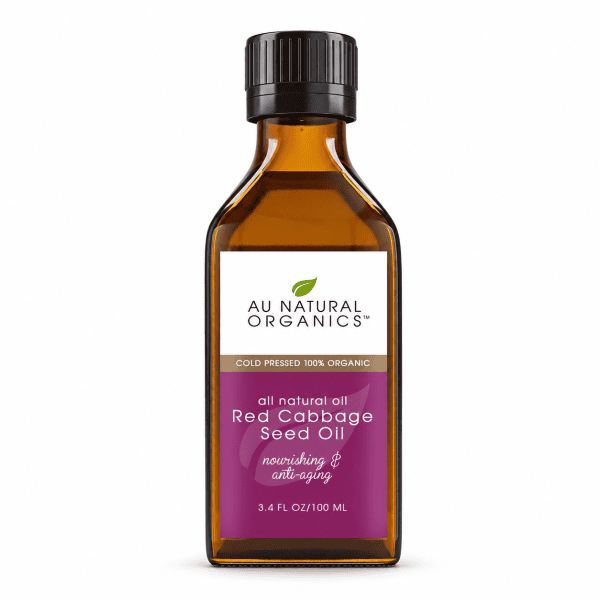
Products with Red Cabbage Seed
Find this ingredient in our collection.
Questions about Red Cabbage Seed
Where does Red Cabbage Seed come from?
Red cabbage seed is typically produced by specialist seed growers. The plants are started in one season, kept through winter in the field or in store, and replanted to flower the following spring. When the pods dry and turn brown in summer, the stalks are cut, left to dry further and threshed. Cleaned seed that is not needed for sowing is sold to oil presses.
How is Red Cabbage Seed extracted?
Cold-pressed from the seed. Dry seed pods are cut and threshed, and the red cabbage seed is cleaned of chaff and debris. The seed is fed into a screw press, where it is crushed and the oil is squeezed out without added heat. The oil is collected and left to rest so that fine solids settle out. The clear oil is filtered and bottled.
Why is Red Cabbage Seed considered rare?
Red cabbage is almost always harvested as a vegetable before it flowers, so seed comes only from plants grown for two seasons. Cabbage seed is mostly sold for sowing, and only a small share is pressed for oil.