The Ingredient Library
Oat
Avena sativa
Oat oil is extracted from the kernels of the common oat, a cereal grown across northern Europe and Canada. Oats hold more fat than most cereal grains, and the oil carries unusual polar lipids.
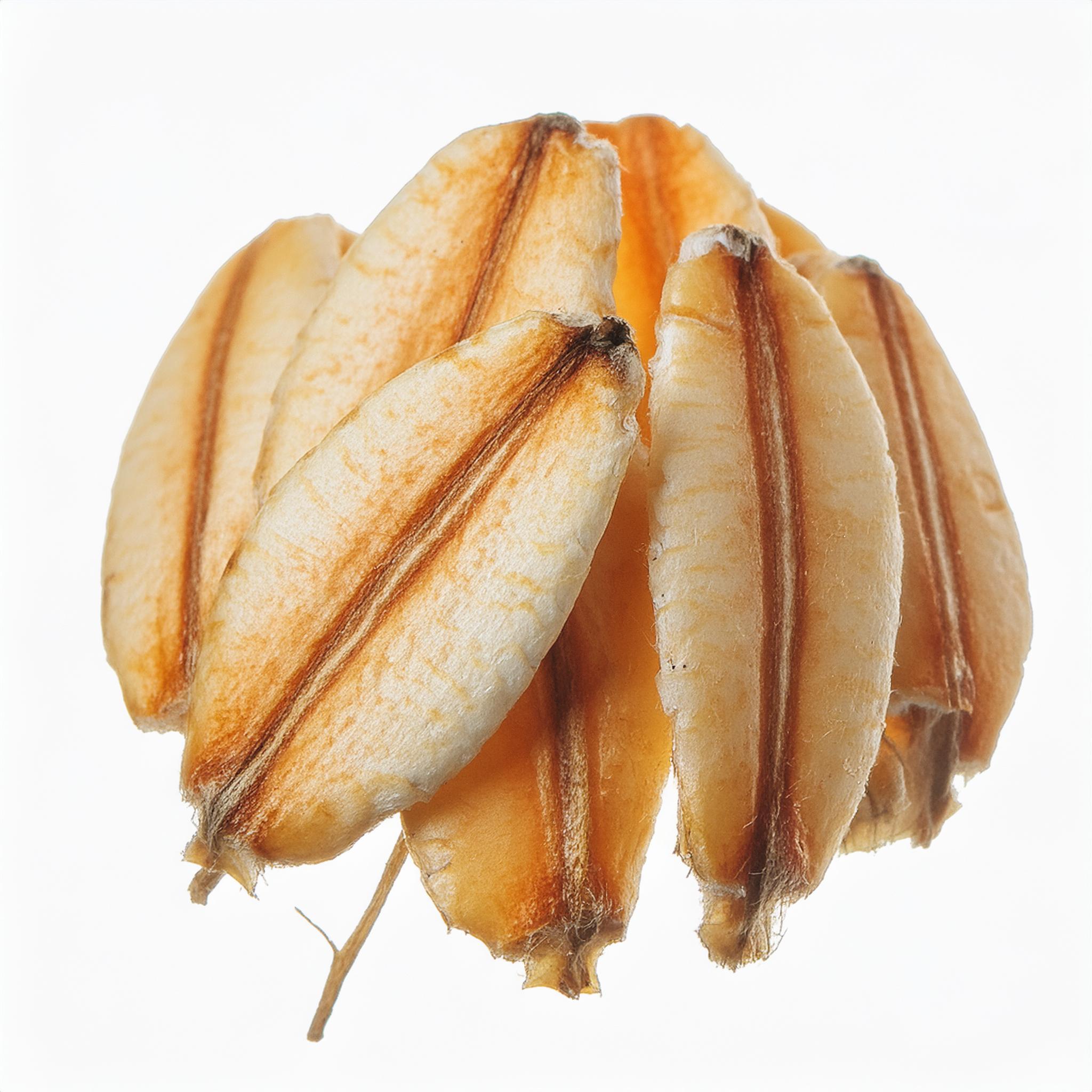
Get to know Oat
- Source
- Oat kernel (groat)
- Origin
- N. Europe, N. America
- Extraction
- CO2 or ethanol extraction
- Texture
- Silky, medium weight
What it is
Oat is a botanical carrier oil used in hair and skin care.
Why it belongs in your routine
Soft, silky oil drawn from organic oat kernels, rich in natural polar lipids.
How to use
Warm a few drops between your palms and smooth over hair or skin. Patch test before use.
Where Oat comes from
Oat oil comes from Avena sativa, the familiar cereal grass that grows up to about a metre and a half tall and carries its grain in loose, drooping clusters called panicles. Oats prefer cool, damp summers, so the main growing areas are in northern Europe, including Finland and Sweden, as well as Canada and Russia. The dehulled grain, called a groat, holds more fat than wheat or barley.
The oil is golden to amber with a light cereal smell. It contains linoleic, oleic and palmitic acids, and a notable share of polar lipids such as phospholipids and glycolipids, which give it a silky feel and help it mix into water-based formulas. It is used in face creams, body lotions, baby-care products and conditioners for its soft, cushioning finish.
Sourcing & extraction
How Oat is sourced and extracted
Why it is rare
Oat kernels contain only around 5 to 9 percent fat, so large quantities of grain are needed for a small volume of oil. The oil is rarely pressed, because the grain is dry and low in fat, and extraction needs specialist equipment.
How it is gathered
Oats are sown in spring and harvested by combine in late summer, usually August or September in northern Europe and Canada. For organic oat oil, the grain comes from certified organic farms, where it is grown without synthetic pesticides or fertilisers. After harvest the oats are dried and cleaned, then sent to mills that remove the husks. The dehulled groats are then passed to specialist processors who extract the oil, often as a by-product alongside oat flour or bran.
How it is made
Extracted from dehulled oat kernels
- Harvested oats are cleaned and dehulled, and the groats are heat-stabilised to stop the grain's own enzymes spoiling the fat.
- The groats are milled into a coarse flour so the extracting agent can reach the fat inside the grain.
- The flour is extracted with supercritical CO2 or food-grade ethanol, which dissolves the oil and polar lipids out of the grain.
- The CO2 or ethanol is removed, leaving the oil, which is filtered and bottled or blended for cosmetic use.
How to use Oat
- Start with a few drops and warm them between your palms.
- Massage into clean skin, or work through the lengths of damp or dry hair.
- Use on its own, or add a few drops to your moisturizer or conditioner.
For external use only. Patch test on a small area before first use and stop if irritation occurs. If you are pregnant, nursing or have a medical condition, ask a healthcare professional before use.
From ingredient to routine
Products with Oat
Find this ingredient in our collection.
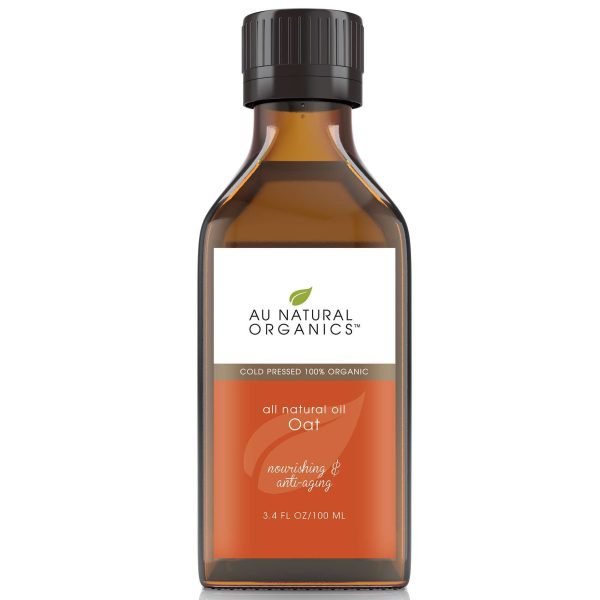
Questions about Oat
Where does Oat come from?
Oats are sown in spring and harvested by combine in late summer, usually August or September in northern Europe and Canada. For organic oat oil, the grain comes from certified organic farms, where it is grown without synthetic pesticides or fertilisers. After harvest the oats are dried and cleaned, then sent to mills that remove the husks. The dehulled groats are then passed to specialist processors who extract the oil, often as a by-product alongside oat flour or bran.
How is Oat extracted?
Extracted from dehulled oat kernels. Harvested oats are cleaned and dehulled, and the groats are heat-stabilised to stop the grain's own enzymes spoiling the fat. The groats are milled into a coarse flour so the extracting agent can reach the fat inside the grain. The flour is extracted with supercritical CO2 or food-grade ethanol, which dissolves the oil and polar lipids out of the grain. The CO2 or ethanol is removed, leaving the oil, which is filtered and bottled or blended for cosmetic use.
Why is Oat considered rare?
Oat kernels contain only around 5 to 9 percent fat, so large quantities of grain are needed for a small volume of oil. The oil is rarely pressed, because the grain is dry and low in fat, and extraction needs specialist equipment.