
Description
Lentiscus comes from Pistacia lentiscus, the mastic tree, an evergreen shrub of the Mediterranean coast from Spain and Morocco to Greece and Turkey. The same plant gives mastic resin on the Greek island of Chios, an essential oil distilled from its leaves and twigs, and a green oil pressed from its small red-to-black berries in Tunisia, Algeria and Sardinia.
Details
| Botanical name | Pistacia lentiscus (mastic tree, lentisk) |
|---|---|
| Native range | Mediterranean basin |
| Size | 30 ml |
Where lentiscus comes from
Lentisk grows wild on dry, rocky ground near the sea and survives long summers without rain. In North Africa the berries are traditionally gathered by hand in late autumn and early winter, then crushed and pressed; it takes a large weight of berries to give a small amount of oil, which is part of why lentisk oil is expensive. The leaf and twig essential oil is steam distilled and has a fresh, resinous, slightly peppery scent.
Which preparation is this?
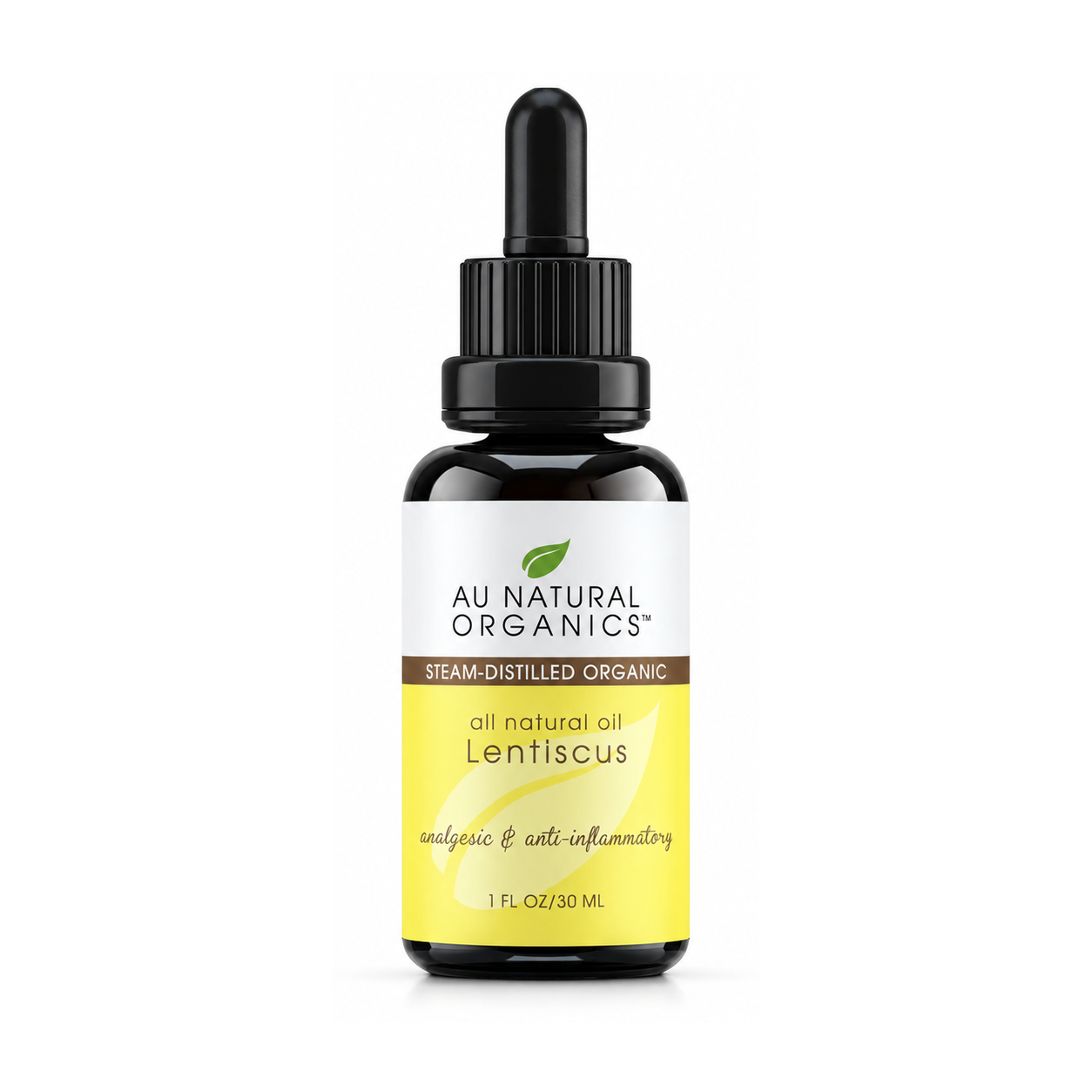
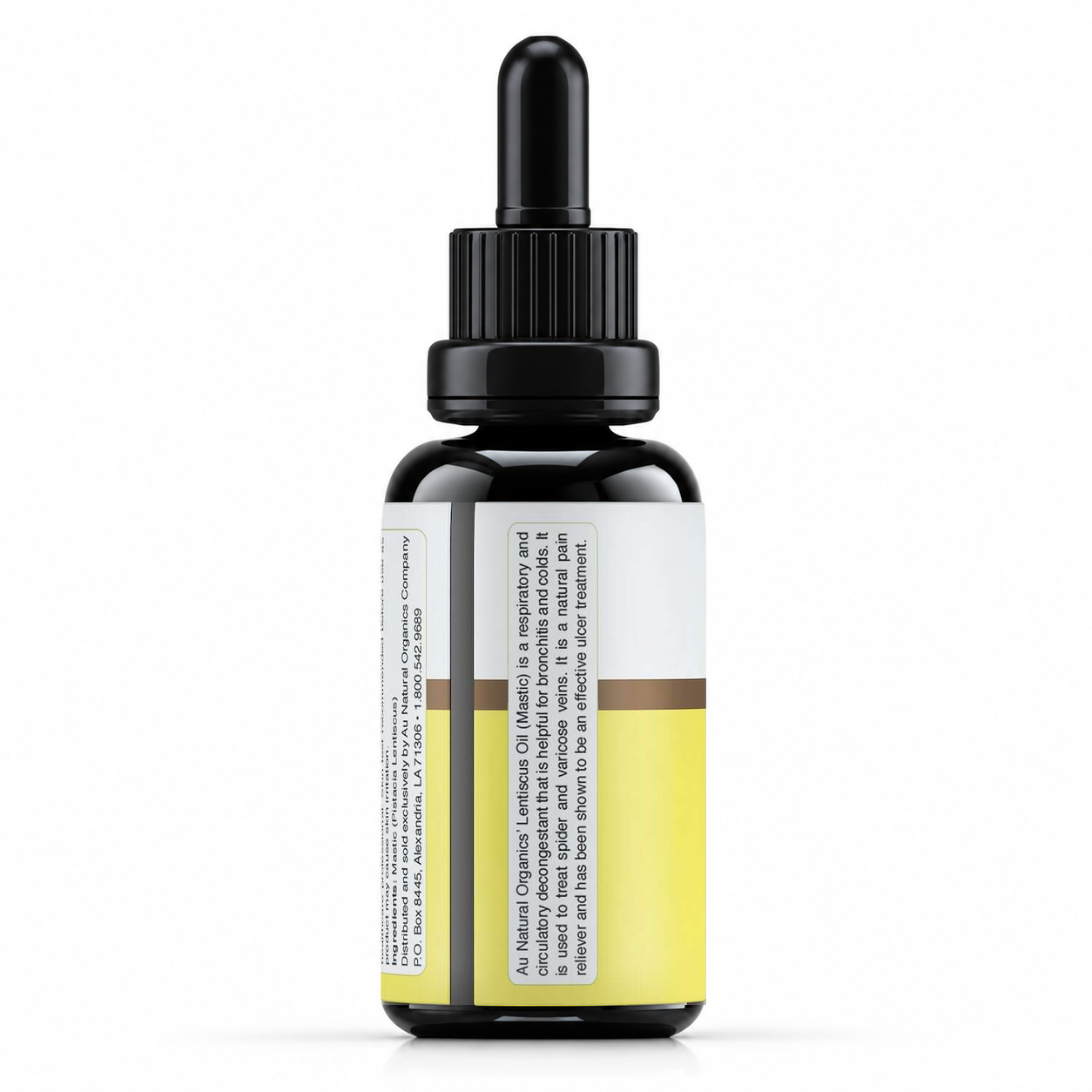
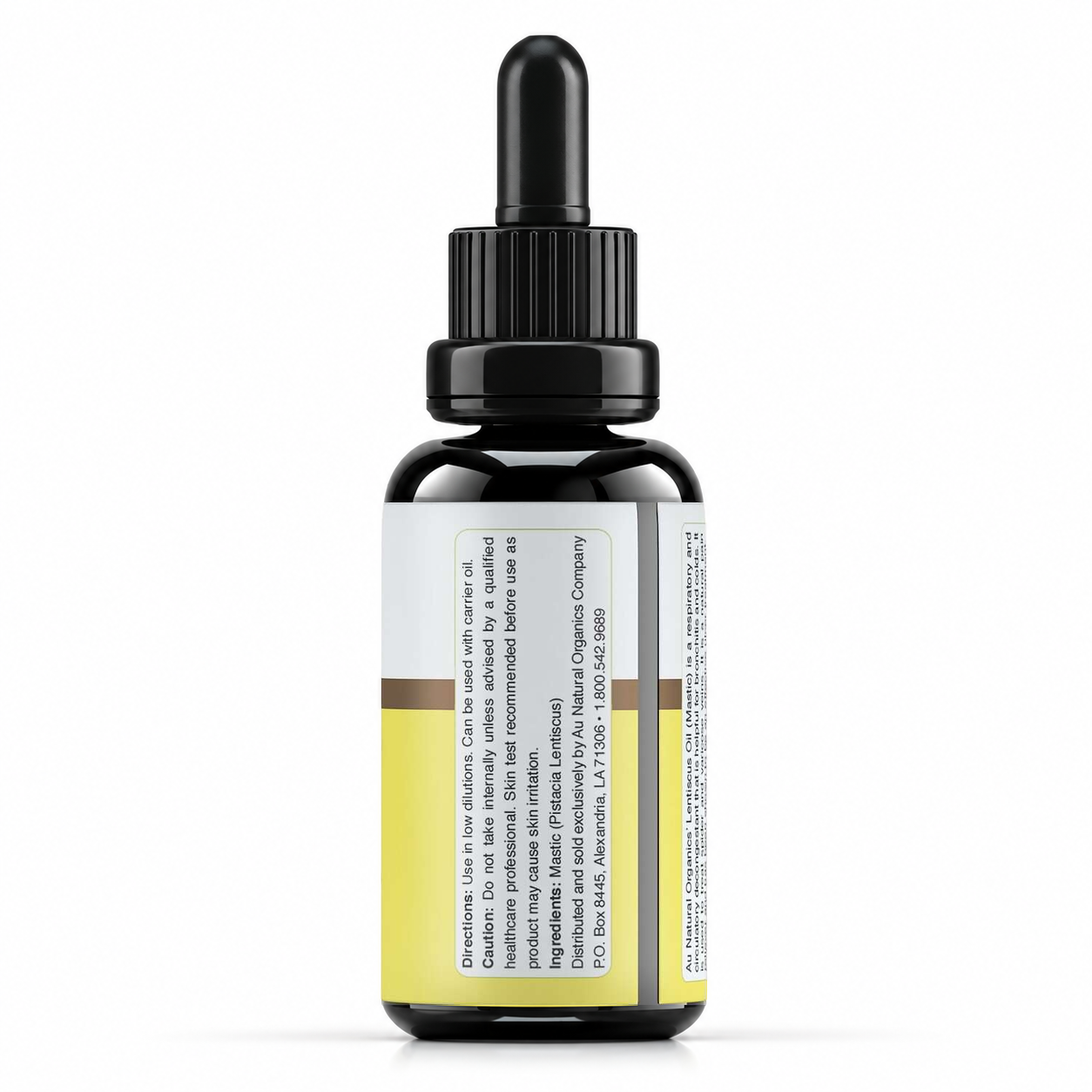
The two lentiscus oils are used differently: the distilled essential oil is diluted before it goes on the skin, while the pressed berry oil is a fatty oil. Check the label on your bottle for the plant part and extraction method, and follow its directions.
How to use
- Essential oil: dilute to 1 to 2 percent in a carrier oil, about 6 to 12 drops per 30 ml, before applying to skin.
- Berry oil: use a few drops on its own or blended with a lighter oil.
- Patch test: try a small amount on the inner arm first and stop if irritation develops.
Keep out of reach of children. Ask a healthcare professional before use if you are pregnant or nursing. Store sealed, away from heat and light.
FAQs
Is lentiscus the same as mastic gum?
They come from the same tree. Mastic gum is the dried resin from the bark; lentiscus oil comes from the leaves or the berries.
Read more about Mediterranean plants in our Ingredient Library or browse our essential oils.
Reviews