
Description
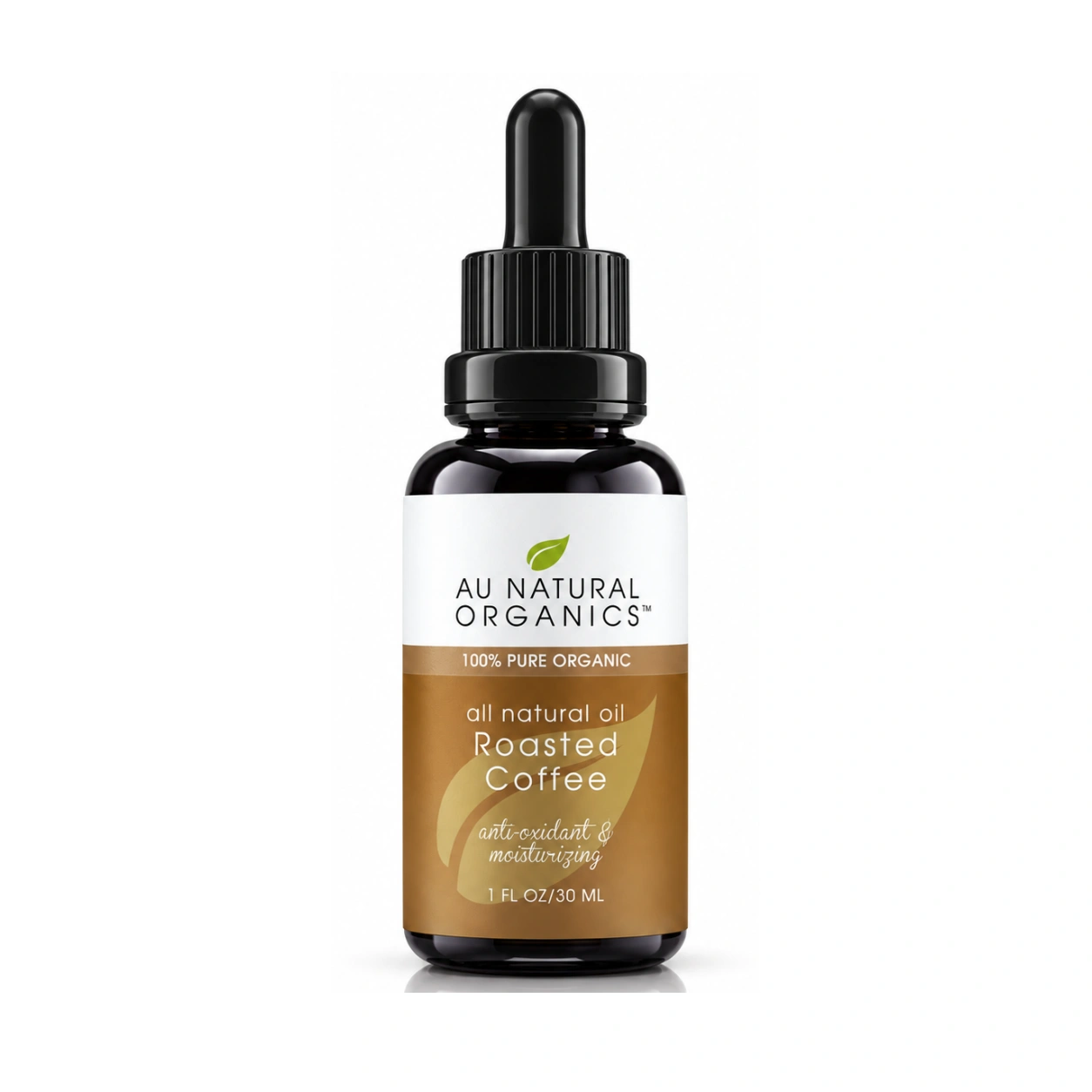
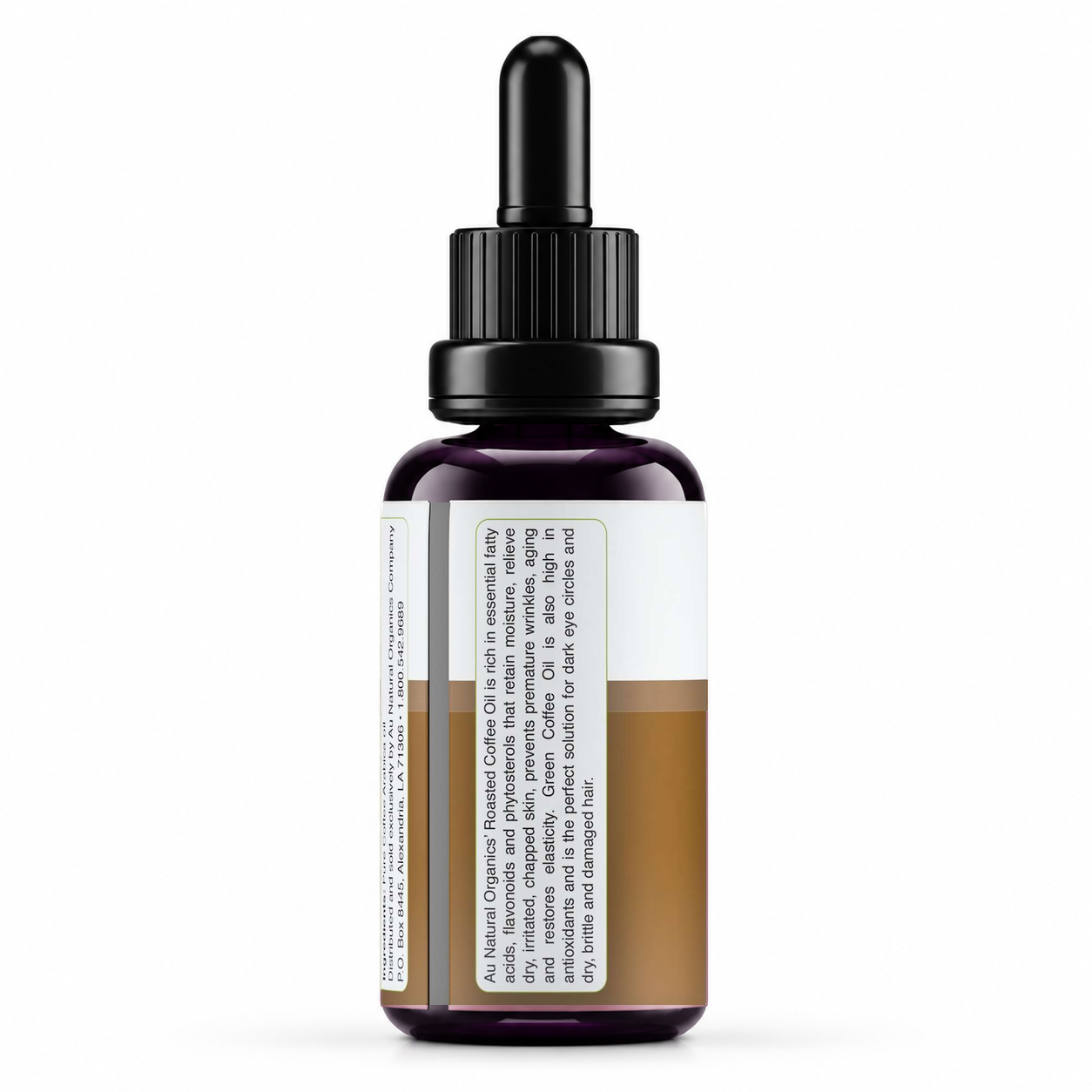
Brazil grows more coffee than any other country, from plantations in Minas Gerais, São Paulo and Bahia. Arabica is harvested from about May to September, dried or pulped, hulled and graded. For roasted coffee oil, green beans are roasted just as they are for drinking coffee, sometimes using lots that do not meet cup grade, then pressed soon after roasting to capture the aroma. The oil is dark brown and smells strongly of roasted coffee. It contains linoleic and palmitic acids, plant sterols, and the coffee compounds cafestol and kahweol.
Details
| Botanical name | Coffea arabica (Arabica coffee) |
|---|---|
| Origin | Brazil, Latin America |
| Part used | Roasted bean |
| Extraction | Expeller-pressed |
| Texture | Smooth, rich, aromatic |
| Ingredients | 100% roasted Coffea arabica seed oil |
Why supply is limited: coffee beans hold only about 10 to 15 percent oil, roasting makes them brittle and harder to press, and each batch must be pressed soon after roasting.
How to use
- Scrubs: mix with sugar or coffee grounds for a body scrub.
- Lips and body: add to lip balms and body butters for colour and scent.
- Hair: rub a drop through dry ends.
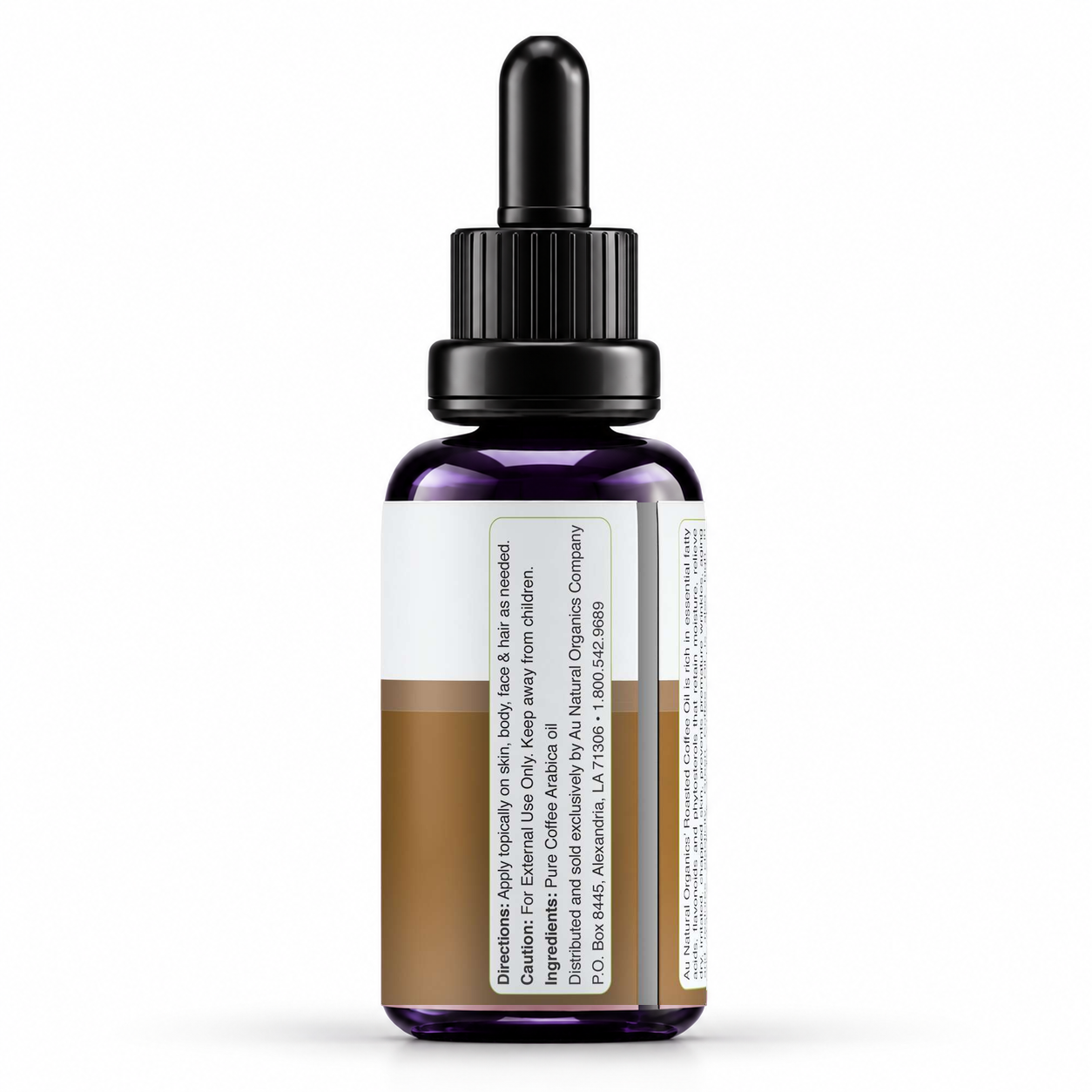
Patch test on the inner arm before first use. Keep away from the eyes. Store somewhere cool and dark with the cap closed.
FAQs
How is it different from green coffee oil?
Roasted coffee oil is pressed from roasted beans and smells of coffee. Green coffee oil is pressed before roasting and smells grassy.
Does it smell of coffee?
Yes. It smells strongly of fresh roasted coffee.
Will it stain?
Its dark colour can tint pale recipes and fabric.
Read where roasted coffee oil comes from and how it is made.


Reviews