The Ingredient Library
Roasted Coffee
Coffea arabica
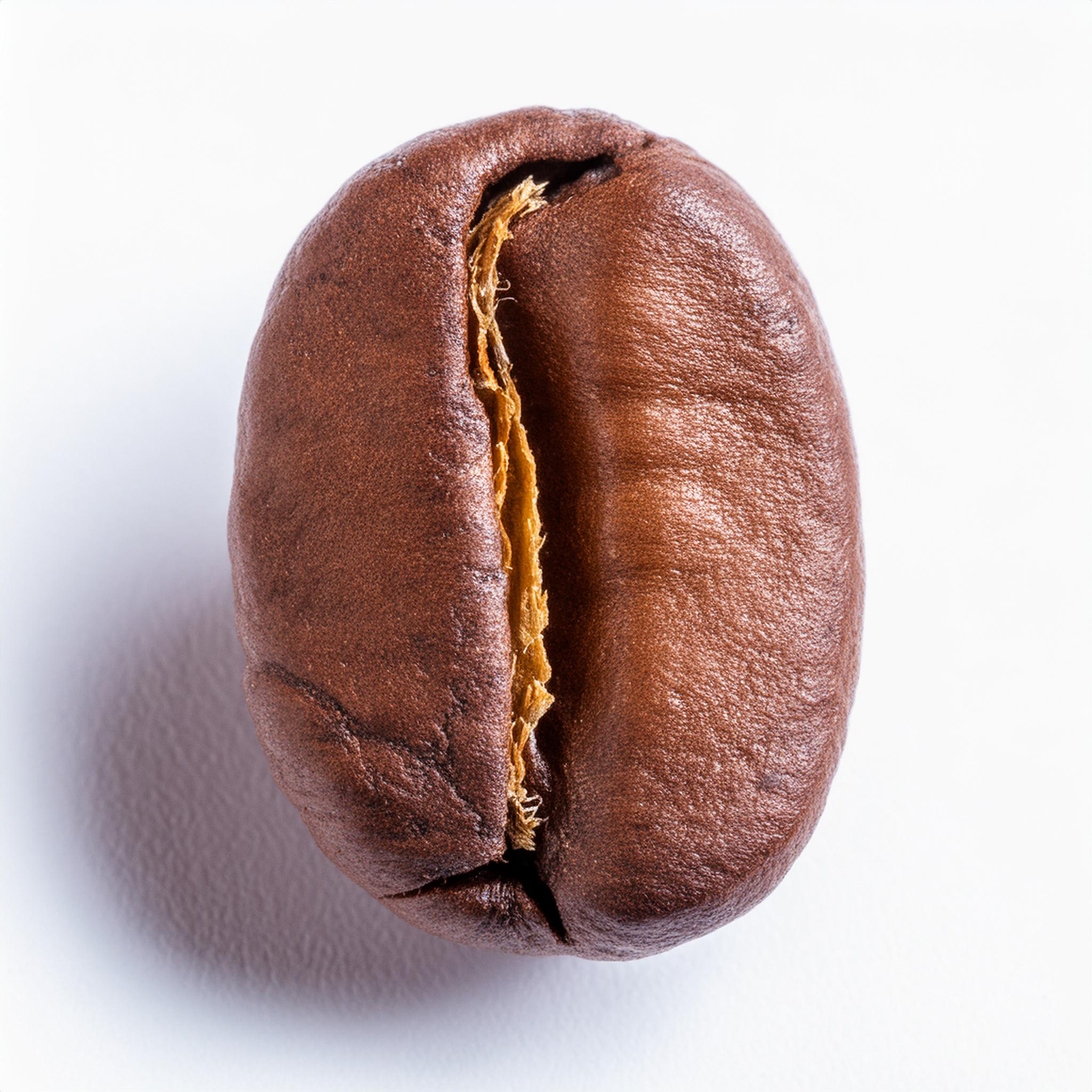
Roasted coffee oil is pressed from roasted arabica coffee beans, largely from Brazil, the world's biggest coffee grower. It carries the deep brown colour and full aroma of freshly roasted coffee.
Get to know Roasted Coffee
- Source
- Roasted coffee bean
- Origin
- Brazil, Latin America
- Extraction
- Expeller-pressed
- Texture
- Smooth, rich, aromatic
What it is
Roasted Coffee is a botanical carrier oil used in hair and skin care.
Why it belongs in your routine
Dark, aromatic oil pressed from roasted arabica beans, smelling of fresh coffee.
How to use
Warm a few drops between your palms and smooth over hair or skin. Patch test before use.
Where Roasted Coffee comes from
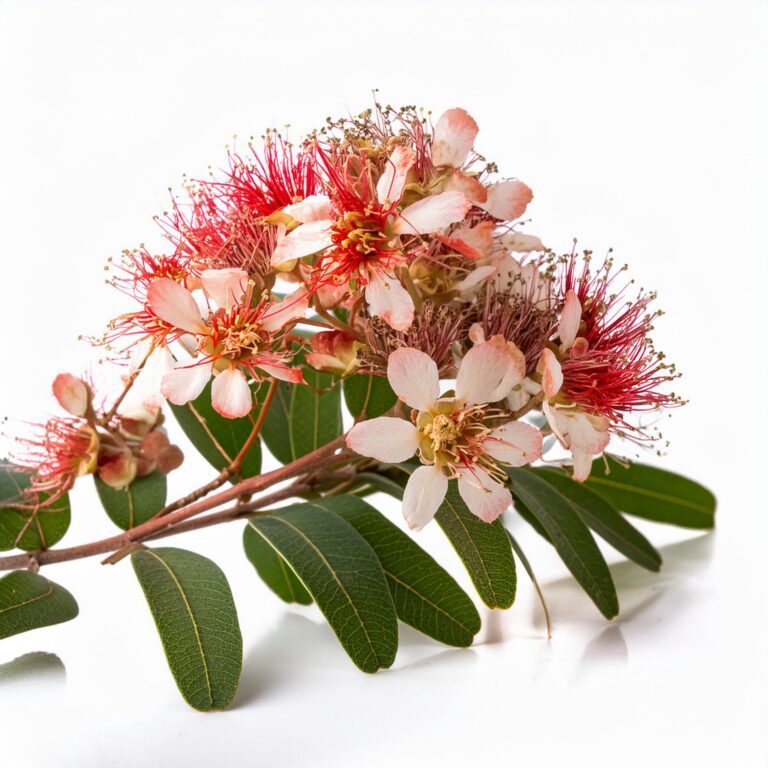
Roasted coffee oil comes from Coffea arabica, an evergreen shrub with glossy dark leaves and white jasmine-scented flowers, native to the highlands of Ethiopia. Its red fruits, called cherries, each hold two seeds, the coffee beans. Brazil produces more coffee than any other country, from plantations in Minas Gerais, São Paulo and Bahia, and much roasted coffee oil is made there.
The oil is dark brown and smells strongly of roasted coffee. It contains linoleic and palmitic acids, along with plant sterols and the coffee compounds cafestol and kahweol. It is mainly valued for its aroma and colour, and is used in body scrubs, soaps, lip balms, hair oils and body butters. It is also used as a flavouring in the food industry.
Sourcing & extraction
How Roasted Coffee is sourced and extracted
Why it is rare
Coffee beans contain only around 10 to 15 percent oil, and roasting makes them brittle and harder to press cleanly. Each batch must be pressed soon after roasting to capture the aroma before it fades.
How it is gathered
In Brazil, arabica coffee is harvested from about May to September, by hand in hilly areas or by machine on flatter farms. The cherries are dried or pulped, and the beans are hulled, sorted and graded. For roasted coffee oil, green beans are roasted in the same way as for drinking coffee, sometimes using lots that do not meet cup grade, and are then sent to pressing plants.
How it is made
Pressed from roasted coffee beans
- Green arabica beans are cleaned and roasted until they develop their brown colour and coffee aroma.
- The roasted beans are cooled and ground coarsely to open up the bean structure.
- The ground coffee is fed through an expeller press, which squeezes out the aromatic oil.
- The oil is settled and filtered to remove fine coffee particles, then bottled.
How to use Roasted Coffee
- Start with a few drops and warm them between your palms.
- Massage into clean skin, or work through the lengths of damp or dry hair.
- Use on its own, or add a few drops to your moisturizer or conditioner.
For external use only. Patch test on a small area before first use and stop if irritation occurs. If you are pregnant, nursing or have a medical condition, ask a healthcare professional before use.
From ingredient to routine
Products with Roasted Coffee
Find this ingredient in our collection.

Questions about Roasted Coffee
Where does Roasted Coffee come from?
In Brazil, arabica coffee is harvested from about May to September, by hand in hilly areas or by machine on flatter farms. The cherries are dried or pulped, and the beans are hulled, sorted and graded. For roasted coffee oil, green beans are roasted in the same way as for drinking coffee, sometimes using lots that do not meet cup grade, and are then sent to pressing plants.
How is Roasted Coffee extracted?
Pressed from roasted coffee beans. Green arabica beans are cleaned and roasted until they develop their brown colour and coffee aroma. The roasted beans are cooled and ground coarsely to open up the bean structure. The ground coffee is fed through an expeller press, which squeezes out the aromatic oil. The oil is settled and filtered to remove fine coffee particles, then bottled.
Why is Roasted Coffee considered rare?
Coffee beans contain only around 10 to 15 percent oil, and roasting makes them brittle and harder to press cleanly. Each batch must be pressed soon after roasting to capture the aroma before it fades.