Natural DHT Blocker: Botanical Guide to Hair Health

Natural Dht Blocker: Botanical Guide To Hair Health

73% of consumers now prioritize natural ingredients in their personal care, yet many still feel forced to choose between the aggressive side effects of pharmaceuticals and the diluted promises of mass-market botanicals. Thinning hair is a source of profound anxiety. You deserve a solution that respects your biology while delivering visible stability. We recognize that the gap between marketing hype and genuine botanical efficacy is wide, and closing it requires uncompromising standards.

This guide will demonstrate how specific, unrefined plant extracts and raw oils function as a potent natural DHT blocker for hair by inhibiting the 5-alpha-reductase enzyme. You’ll learn the science behind botanical follicle protection and how to establish a clean, sustainable routine that yields results. We’ll examine the clinical evidence for ingredients like pumpkin seed oil, which is currently seeing a 10.5% market growth, and provide the clarity you need to move beyond synthetic suppression toward authentic hair health.

Key Takeaways

  • Understand the biological mechanism of follicular miniaturization and how the 5-alpha reductase enzyme converts testosterone into hair-thinning DHT.
  • Identify the specific phytosterols in pumpkin seed and rosemary oils that function as a potent natural DHT blocker for hair follicles.
  • Learn why topical application provides a direct, localized advantage for scalp health compared to the slower pace of systemic dietary supplements.
  • Master a professional protocol for diluting raw botanical extracts to maintain phytochemical integrity while ensuring scalp sensitivity is respected.
  • Discover the critical link between traditional extraction methods and the therapeutic efficacy of heritage oils like authentic Honduran Batana.

The Hormonal Hijack: Understanding DHT and Follicular Miniaturization

Dihydrotestosterone, or DHT, is a metabolic reality. This potent androgen is a byproduct of testosterone, synthesized through a specific biological pathway. While it’s essential for structural development in early life, its presence in the adult scalp often signals the beginning of follicular decline. To grasp the necessity of intervention, one must first master the mechanics of Understanding DHT and Follicular Miniaturization. This process occurs when DHT binds to androgen receptors at the base of the hair follicle, effectively choking off the supply of nutrients and oxygen. Over time, the follicle shrinks. The growth phase shortens. Eventually, the hair becomes so thin it can no longer penetrate the surface of the scalp.

Marketing often relies on the term “blocking,” but this is a misnomer. Total suppression of androgens is rarely the answer. We don’t want to eliminate hormones; we want to inhibit the specific conversion process that leads to thinning. True restoration requires balance. By focusing on a natural DHT blocker for hair, you’re choosing to modulate the scalp’s ecosystem rather than attempting to override your body’s chemistry with synthetic force.

The Role of 5-Alpha Reductase

The conversion of testosterone into DHT relies entirely on the 5-alpha reductase enzyme. This protein exists in two primary isoforms. Type 1 is found largely in the sebaceous glands and skin; Type 2 is concentrated within the hair follicles and prostate. Scalp-level enzyme activity dictates hair density. When these enzymes are overactive, the concentration of DHT rises, triggering the miniaturization cycle. Raw botanical extracts interfere with 5-alpha reductase by naturally modulating its activity without disrupting the body’s entire endocrine balance. This localized approach is the hallmark of professional botanical care.

Why Natural Inhibition is the Ethical Choice

Pharmaceutical interventions often come with a heavy cost. Synthetic blockers frequently trigger systemic side effects, including decreased libido and mood fluctuations. These risks are unacceptable for those seeking long-term wellness. Choosing a natural DHT blocker for hair reflects a commitment to ethical, sustainable health. A botanical routine isn’t a quick fix. It’s a disciplined practice. We prioritize the integrity of the hair follicle through raw, unrefined oils rather than relying on harsh chemical suppression. This no-nonsense approach ensures that your scalp remains a healthy environment for growth for decades, not just weeks. Consistency with plant-based inhibitors provides a foundation that synthetic alternatives simply cannot match.

Topical Sovereignty: Potent Botanical Oils That Inhibit DHT

Systemic suppression is a blunt instrument. Topical application is a precision tool. This direct approach ensures that the concentration of active phytochemicals remains high where it matters most. While many focus on oral supplements, applying a natural DHT blocker for hair directly to the scalp bypasses the digestive system and liver metabolism. It allows for immediate interaction with the 5-alpha reductase enzyme residing in the hair bulb. You don’t need a systemic shift to see a local result.

Saw Palmetto and Stinging Nettle are traditional powerhouses that have stood the test of time. While many brands offer these as oral supplements, the science of hair health is shifting toward topical sovereignty. Applying saw palmetto extract directly to the scalp prevents the binding of DHT to androgen receptors with greater precision. Stinging nettle complements this by inhibiting the inflammatory cytokines that often accompany follicular miniaturization. When these extracts are infused into authentic carrier oils, they penetrate the lipid barrier of the scalp more effectively. This ensures the active ingredients reach the dermal papilla where hair synthesis begins.

Rosemary Oil and Scalp Vitality

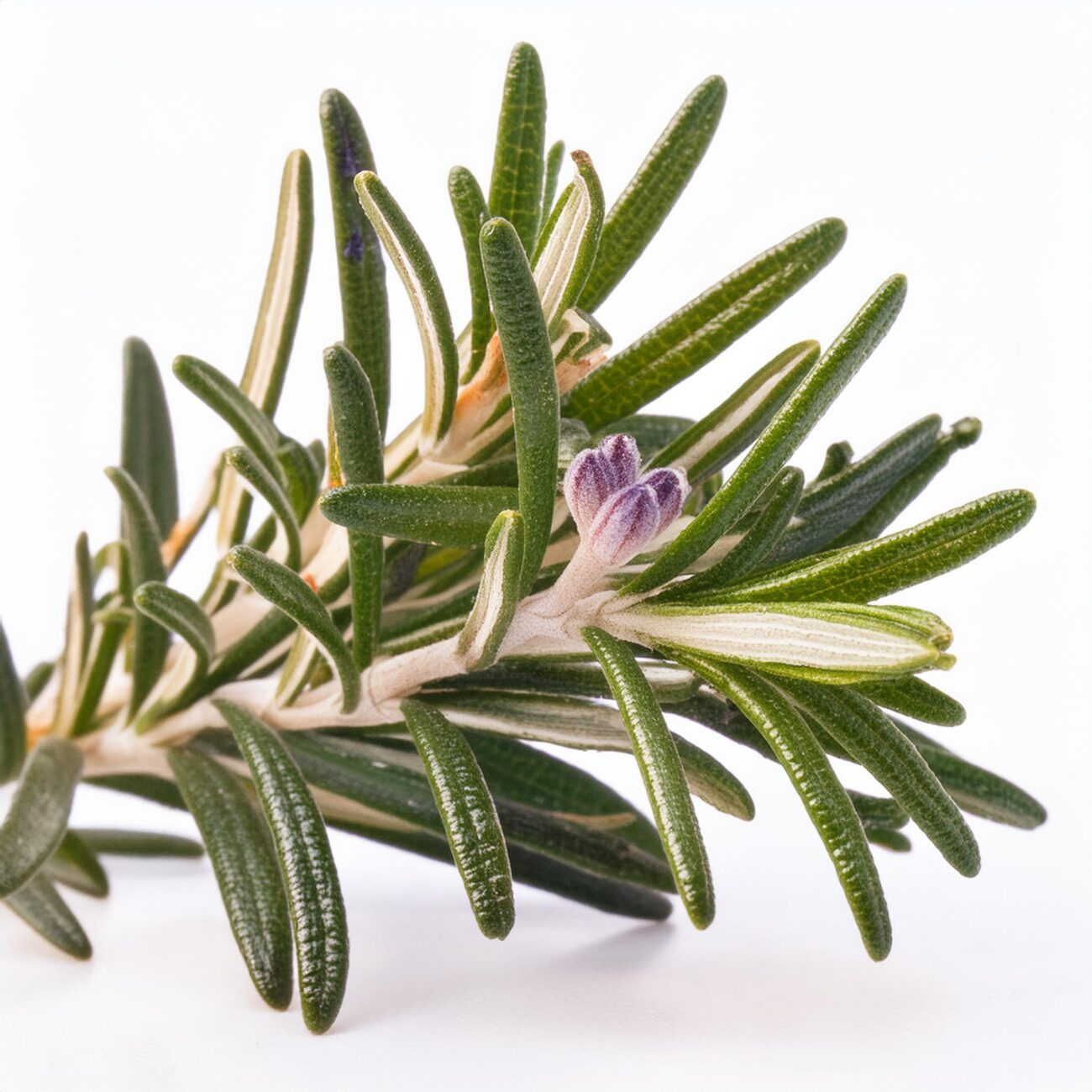
In 2015, a landmark study compared Rosemary oil to 2% minoxidil. The results were clear. After six months, both groups showed significant growth, but the rosemary group reported far less scalp itching. This botanical does more than just inhibit enzymes. It stimulates microcirculation, ensuring the follicle receives the oxygen it needs to thrive. For those seeking a deeper dive into this specific botanical, our analysis of Rosemary oil for hair growth details the historical and clinical evidence supporting its use.

The Phytosterol Profile of Pumpkin Seed

Cold-pressed pumpkin seed oil is a dense source of beta-sitosterol. This specific phytosterol acts as a competitive inhibitor. It occupies the androgen receptor sites that DHT would otherwise claim, effectively shielding the hair bulb from hormonal attack. A randomized clinical trial on pumpkin seed oil demonstrated a 40% increase in hair count for participants over 24 weeks, providing a clear benchmark for botanical performance. This efficacy depends entirely on processing. Refined oils lose their delicate active compounds through high-heat friction and chemical solvents. Only a raw, unrefined oil maintains the molecular integrity required to function as a natural DHT blocker for hair. We refuse to compromise on this standard. Integrity is the definitive line between a standard cosmetic oil and a genuine therapeutic extract.

Dietary vs. Topical: Building a Comprehensive Defense

Synergy is the ultimate objective. Internal nutrients provide the raw materials for hair synthesis, while external botanical oils protect the follicle from hormonal interference. This dual-layered defense is essential. Bioavailability is also a critical factor. Raw plant oils retain their untouched phytochemical profiles, whereas mass-produced supplements often undergo extreme heat and chemical extraction that degrades their efficacy. A cold-pressed oil is alive with the very antioxidants your follicles require for stability. We value the slow, careful processes of nature over the speed of industrial manufacturing.

The Limitations of Dietary Blockers

Digestive breakdown is an inescapable barrier. Consider Epigallocatechin gallate, or EGCG, the primary antioxidant in green tea. While drinking green tea supports overall wellness, the stomach’s enzymatic processes often neutralize its DHT-blocking potential before it reaches the hair bulb. Applying it topically ensures the EGCG remains intact. It’s also vital to distinguish between DHT-driven thinning and nutritional hair loss. Deficiencies in iron or zinc can mimic pattern hair loss, but they require a different corrective path. A comprehensive defense addresses both systemic health and localized protection.

Topical Delivery Systems: The Role of Carrier Oils

Potent essential oils require a sophisticated delivery vehicle. You cannot apply concentrated extracts like Rosemary or Saw Palmetto directly to the scalp without risking irritation. They need a lipid-rich foundation. Choosing the best carrier oil for skin and scalp is a non-negotiable step in your protocol. Carrier oils are not mere fillers. They are essential delivery systems that transport phytochemicals through the stratum corneum and into the hair follicle. Jojoba oil is particularly effective because its molecular structure closely mimics human sebum. This allows it to penetrate deeply, carrying your chosen natural DHT blocker for hair directly to the source of miniaturization. Integrity in sourcing these carriers is just as important as the extracts themselves.

Natural Dht Blocker: Botanical Guide To Hair Health

The Professional Protocol: How to Apply Natural DHT Blockers

Application is a discipline. To transform a natural DHT blocker for hair from a simple oil into a therapeutic intervention, you must follow a methodical protocol. Surface-level application is insufficient. The active phytochemicals must reach the hair bulb to inhibit the 5-alpha reductase enzyme effectively. This process requires patience, precision, and an uncompromising commitment to the quality of your raw materials. A half-hearted routine yields half-hearted results.

The first step is selecting a base with absolute botanical integrity. We prioritize raw, unrefined oils because they retain the complex molecular structures necessary for follicular protection. Once your base is secured, you must standardize your dilution ratio. Most essential oils require a 1% to 2% concentration to remain safe for the scalp’s delicate ecosystem. After application, perform an inversion massage by leaning forward to increase blood flow to the crown. This mechanical stimulation works in tandem with the oils to ensure maximum nutrient delivery. Finally, respect the 90-day rule. Hair growth cycles operate on a biological timeline that cannot be rushed. Consistency is the only path to stabilization.

Crafting Your Botanical Blend

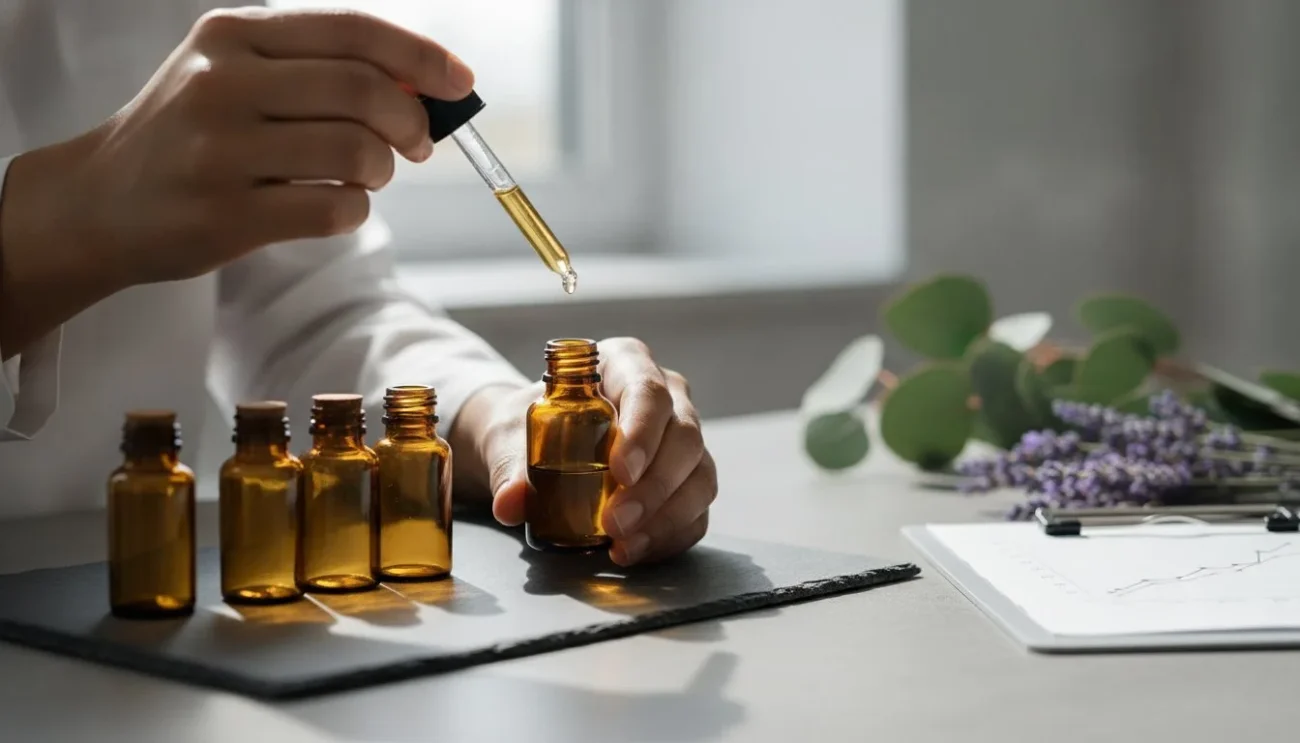
A professional-grade blend starts with a potent foundation. Combine one ounce of raw pumpkin seed oil with six drops of rosemary essential oil and three drops of peppermint oil for a synergistic effect. Avoid pre-made products that contain synthetic fragrances or fillers, as these additives often trigger inflammation that counteracts the benefits of the botanical blockers. Store your finished blend in an amber glass bottle in a cool, dark environment to prevent oxidation and ensure the phytochemicals remain active. You can find the high-purity ingredients needed for this protocol in our collection of ethically sourced carrier and essential oils.

Frequency and Timing for Maximum Efficacy

Timing dictates absorption. Overnight scalp treatments are the gold standard because they allow the oils to penetrate the stratum corneum without interruption. If an overnight soak is not feasible, a pre-wash application of at least two hours is necessary. Managing scalp buildup is equally vital. Use natural vegan soaps to cleanse the scalp without stripping its protective lipid layer or depositing synthetic residues. Monitoring progress requires a clinical eye. You aren’t looking for immediate “bushels” of new hair; rather, you are looking for a visible reduction in shedding during brushing and a gradual increase in the diameter of existing strands. This stabilization is the first sign that your natural DHT blocker for hair is successfully modulating the hormonal environment.

The Au Natural Organics Standard: Why Authentic Sourcing Matters

Sourcing is the definitive boundary between a functional botanical and a decorative cosmetic. When you select a natural DHT blocker for hair, the origin of the plant matter dictates the concentration of active inhibitors. Mass-produced oils often originate from depleted soils and undergo aggressive chemical refinement. This process strips away the very phytochemicals required to modulate the 5-alpha reductase enzyme. We reject these industrial shortcuts. Our commitment to small-batch production ensures that every drop of oil retains its untouched potency. This is a matter of professional integrity.

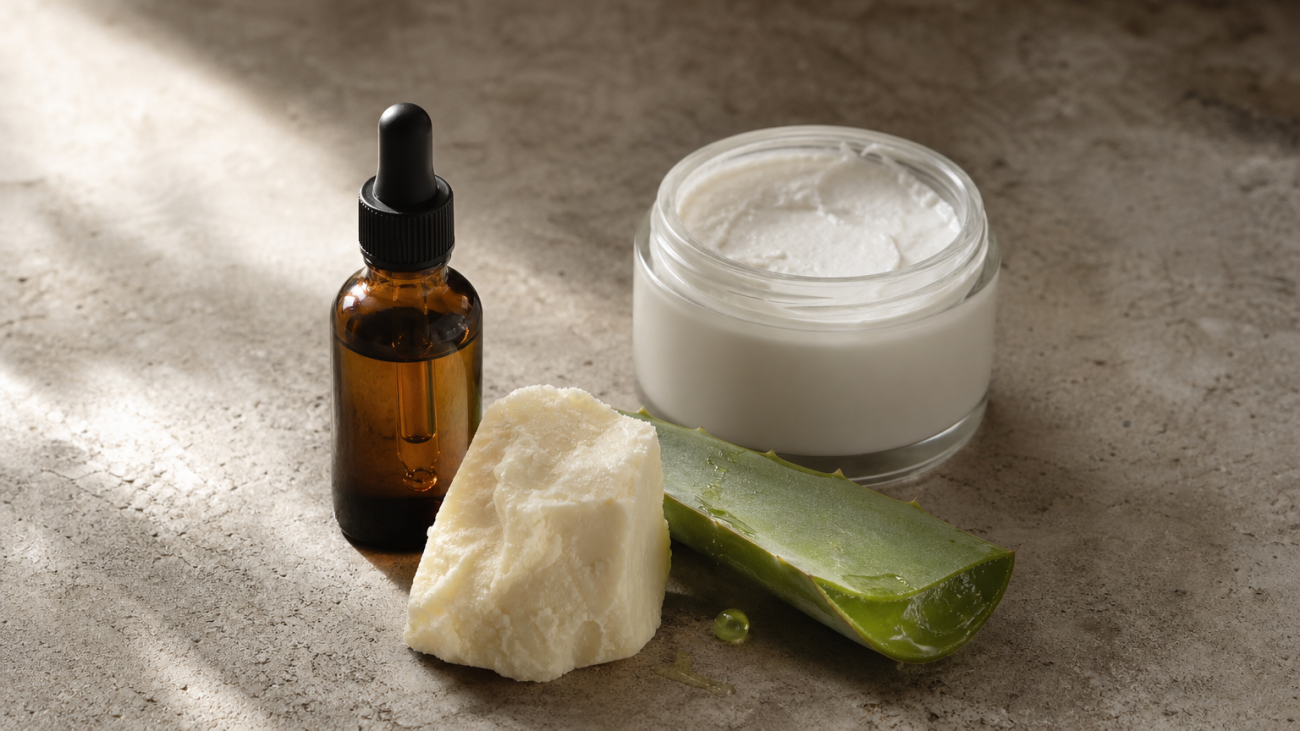
A healthy scalp requires more than just inhibition; it requires a resilient moisture barrier. Raw body butters and unrefined carrier oils provide the essential lipids that shield the scalp from environmental stressors. When the skin’s barrier is compromised, inflammation rises. This inflammation can exacerbate the miniaturization process initiated by DHT. By maintaining a lipid-rich environment, you create the optimal conditions for growth. We prioritize traditional extraction methods that respect the slow, careful processes of nature.

Batana Oil: The Traditional Miracle

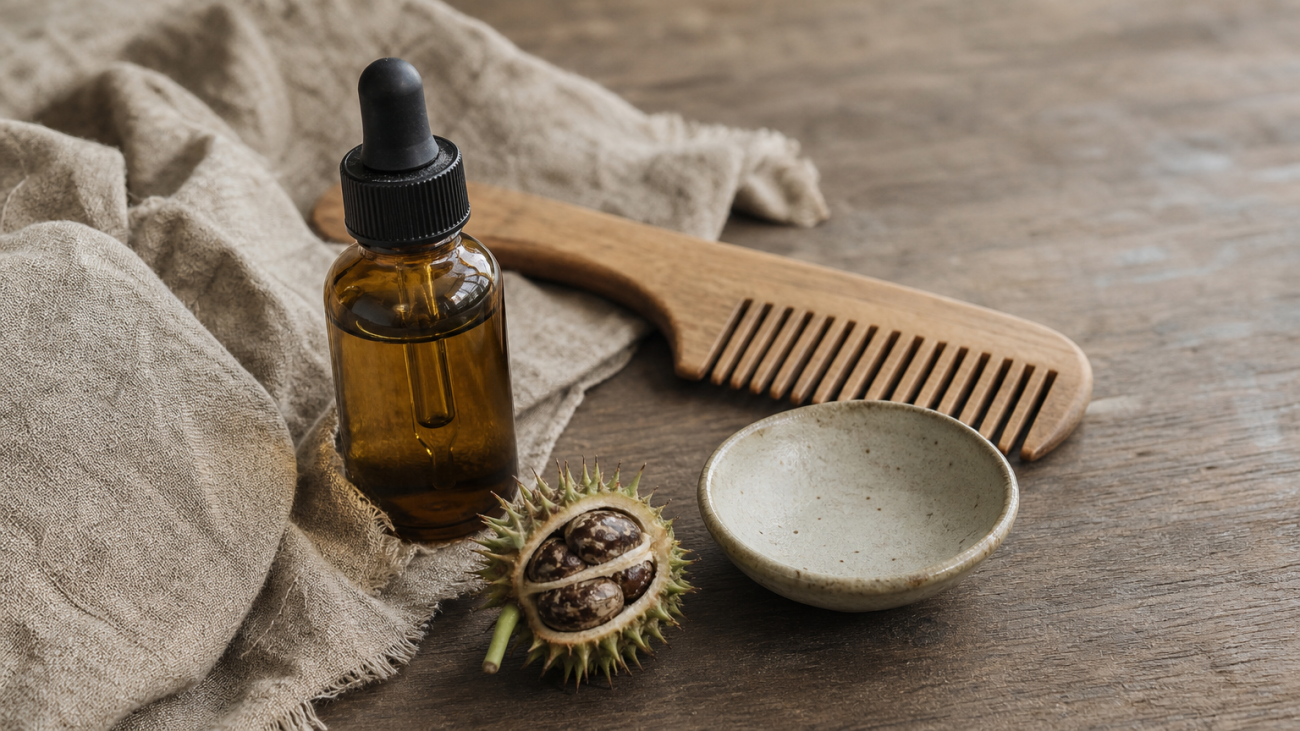
Batana oil is a heritage extract with deep roots in the coastal regions of Honduras. For generations, the Tawira people have utilized this “miracle oil” to maintain hair vitality in harsh tropical conditions. While it is not a direct 5-alpha reductase inhibitor, it provides a dense profile of fatty acids that nourish the hair bulb. It acts as a complementary super-oil. When used alongside a specific natural DHT blocker for hair, Batana oil provides the structural support needed for the newly protected follicles to thrive. For a comprehensive understanding of this rare botanical, consult our Authentic Batana Oil Guide.

Purity as a Professional Requirement

The industry often blurs the line between fragrance-grade and botanical-grade oils. Fragrance-grade products are designed for scent; they are often diluted with synthetic fillers that offer no therapeutic value. Botanical-grade extracts are pure, raw, and biologically active. They are the only choice for a serious hair restoration protocol. We invite you to explore our full collection of raw extracts and tinctures, each sourced with a steadfast commitment to global awareness and ethical standards. Choose integrity over convenience. Your hair health depends on the substance of your routine, not the marketing on the label.

Securing Your Follicular Future

True hair restoration is a disciplined pursuit of biological balance. By choosing a natural DHT blocker for hair, you’ve moved beyond the risks of synthetic suppression toward a sustainable, botanical methodology. Success requires an uncompromising focus on two pillars: the precision of topical application and the absolute purity of your extracts. We’ve seen that raw, unrefined oils like pumpkin seed and Batana provide the essential phytochemicals that mass-market alternatives lack. This isn’t a quick fix. It’s a commitment to the long-term health of your scalp’s ecosystem.

Integrity is the foundation of results. Our expert-led formulations are 100% pure, raw, and unrefined, ensuring that every drop remains biologically active. We source our Batana oil ethically from traditional Honduran communities, maintaining a direct link to heritage and potency. You don’t have to compromise your wellness for hair density. Secure your hair’s future with our Authentic Batana Oil and Botanical Extracts. Your journey toward follicular stability is a testament to the power of nature when handled with professional care. We’re here to guide you through every growth cycle.

Frequently Asked Questions

Can natural DHT blockers really regrow hair?

Regrowth is possible if the hair follicle remains viable and hasn’t reached a state of total atrophy. Natural DHT blockers function by stabilizing the scalp environment and halting the miniaturization process. This allows follicles that were previously producing thin, weak strands to return to a healthy growth phase. If the scalp is completely smooth and shiny, the follicle is likely dead; however, if fine hairs are still present, restoration is a realistic objective.

How long does it take for a natural DHT blocker to work?

Expect a minimum of 90 to 180 days to observe tangible shifts in hair density. Hair growth cycles are biological constants that cannot be rushed by any treatment, synthetic or botanical. The first sign of success is typically a significant reduction in active shedding during brushing or washing. True changes in hair diameter and scalp coverage require multiple cycles of growth, meaning consistency over six months is the professional standard for evaluation.

Is Rosemary oil as effective as Minoxidil for DHT-related hair loss?

Clinical evidence suggests parity between these two treatments. A landmark 2015 study demonstrated that Rosemary oil was as effective as 2% minoxidil after six months of consistent use, with the added benefit of significantly less scalp irritation. While minoxidil is a synthetic vasodilator, Rosemary oil functions as a potent natural DHT blocker for hair while simultaneously stimulating microcirculation. It offers a professional-grade alternative for those avoiding pharmaceutical side effects.

Are there any side effects to using topical DHT blockers like Pumpkin Seed oil?

Topical botanical oils are generally well-tolerated and lack the systemic hormonal risks associated with oral pharmaceuticals. The primary risk is localized scalp sensitivity or a mild allergic reaction to specific plant compounds. We always recommend a patch test for any raw, unrefined oil before full application. Because these treatments are applied topically rather than ingested, they don’t trigger the libido or mood issues often linked to synthetic DHT inhibitors.

Can women use natural DHT blockers for thinning hair?

Women can and should use botanical blockers if they are experiencing androgenetic alopecia. While the presentation differs from male pattern baldness, the underlying biological mechanism of follicular miniaturization driven by DHT is often identical. Botanical inhibitors offer a safe, non-hormonal intervention for women seeking to stabilize thinning. It’s a particularly effective strategy for those who want to avoid the risks associated with prescription-strength androgen modulators or synthetic growth stimulants.

What is the best carrier oil to use for a DHT-blocking scalp treatment?

Jojoba oil is the professional choice for scalp-level delivery systems. Its molecular structure and weight closely mirror human sebum, which allows it to penetrate the follicular pore more effectively than heavier oils. This makes it an ideal vehicle for transporting active phytochemicals from extracts like Saw Palmetto or Rosemary directly to the hair bulb. Using a high-purity carrier ensures that your natural DHT blocker for hair reaches the dermal papilla where inhibition is most critical.

Does drinking green tea help block DHT in the scalp?

Systemic intake of green tea provides foundational antioxidants but has limited local efficacy for hair loss. While green tea contains EGCG, a known 5-alpha reductase inhibitor, the digestive process degrades these polyphenols before they reach the scalp in significant concentrations. Topical application of green tea extract or a high-purity hydrosol is a far more direct method. It ensures the active compounds interact immediately with the enzymes responsible for follicular miniaturization.

How do I know if my hair loss is caused by DHT?

Pattern is the primary indicator of DHT-related loss, professionally known as androgenetic alopecia. You’ll notice a predictable cycle where hairs become progressively finer, shorter, and lighter in color before disappearing entirely. In men, this manifests at the temples and the crown. In women, it usually appears as a widening of the midline part or general thinning at the top of the head. A microscopic scalp analysis can confirm if miniaturization is occurring.