The Ingredient Library
Myrrh
Commiphora myrrha
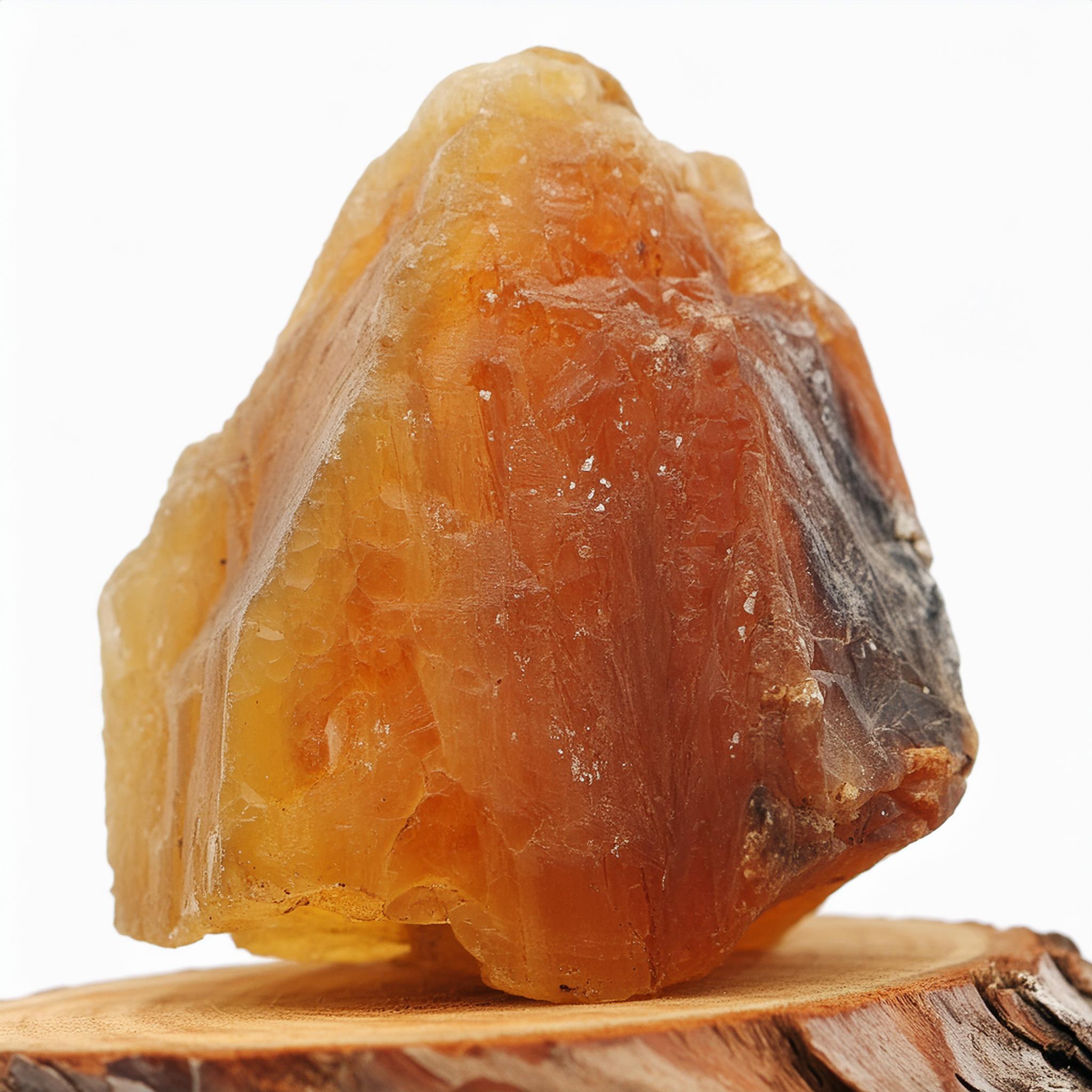
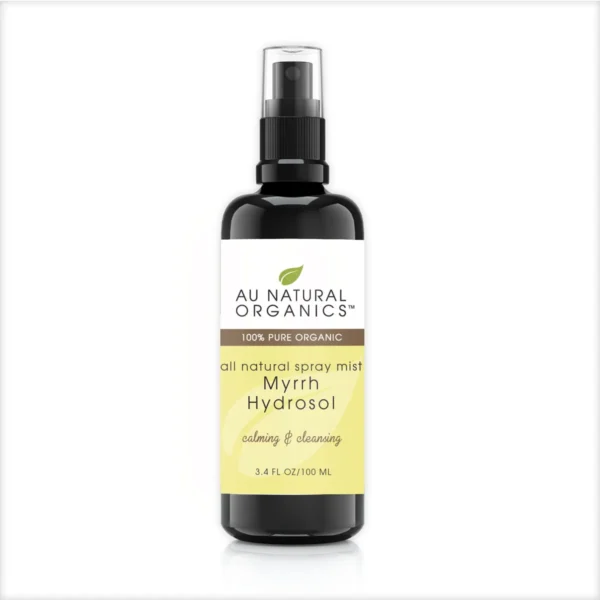
Myrrh hydrosol is the aromatic water left after steam-distilling myrrh resin, a gum tapped from thorny trees in Somalia, Ethiopia and Yemen and dried into reddish tears.
Get to know Myrrh
- Source
- Dried resin (gum)
- Origin
- Horn of Africa, Yemen
- Extraction
- Steam distillation
- Aroma
- Warm, bitter, resinous
What it is
Myrrh is a botanical ingredient used in skin and hair care.
Why it belongs in your routine
Soft, bittersweet aromatic water distilled from Horn of Africa myrrh resin.
How to use
Follow the directions on your chosen product. Patch test before use.
Where Myrrh comes from
Myrrh hydrosol comes from Commiphora myrrha, a spiny, small tree or shrub of the dry scrublands of Somalia, Ethiopia, northern Kenya and southern Arabia. It grows in thin, rocky soils with little rain, often only a few metres tall, with knotted branches and small, sparse leaves. When the bark is cut, a pale yellow gum oozes out and slowly hardens into brittle, reddish-brown lumps known as tears.
The hydrosol is a clear to faintly cloudy water with a soft version of myrrh's scent: bitter, warm, slightly smoky and balsamic. It is far milder than myrrh essential oil. It is used as a facial toner or mist, as the water phase in creams and lotions, and in linen or room sprays where a quiet, resinous note is wanted.
Sourcing & extraction
How Myrrh is sourced and extracted
Why it is rare
Myrrh trees grow wild across a narrow arid belt around the Horn of Africa and Arabia, and each tree gives only small amounts of resin per season. Resin distillation is slow, and hydrosol from myrrh is made in far smaller runs than rose or lavender waters.
How it is gathered
Myrrh resin is typically gathered by pastoral and farming families in Somalia, Ethiopia and neighbouring regions, often as seasonal work alongside herding. Collectors make shallow cuts in the bark of wild trees, leave the gum to weep and harden for a couple of weeks, then return to pick the tears by hand. The resin is sorted by size and colour, sold on through local traders and exported in sacks to distillers, where the myrrh hydrosol and essential oil are produced.
How it is made
Steam-distilled from myrrh resin
- Resin tears are cleaned of bark and grit, then broken into small pieces so steam can pass through them evenly.
- The crushed resin is loaded into a still and steam is passed through it for many hours to carry off the aromatic compounds.
- The vapour is cooled in a condenser and collects as a mix of water and a thin layer of myrrh essential oil.
- The essential oil is separated off, and the remaining fragrant water is filtered and bottled as myrrh hydrosol.
How to use Myrrh
- Follow the directions on your chosen product.
- Start with a small amount.
- Patch test before first use.
For external use only. Patch test on a small area before first use and stop if irritation occurs. If you are pregnant, nursing or have a medical condition, ask a healthcare professional before use.
From ingredient to routine
Products with Myrrh
Find this ingredient in our collection.
Questions about Myrrh
Where does Myrrh come from?
Myrrh resin is typically gathered by pastoral and farming families in Somalia, Ethiopia and neighbouring regions, often as seasonal work alongside herding. Collectors make shallow cuts in the bark of wild trees, leave the gum to weep and harden for a couple of weeks, then return to pick the tears by hand. The resin is sorted by size and colour, sold on through local traders and exported in sacks to distillers, where the myrrh hydrosol and essential oil are produced.
How is Myrrh extracted?
Steam-distilled from myrrh resin. Resin tears are cleaned of bark and grit, then broken into small pieces so steam can pass through them evenly. The crushed resin is loaded into a still and steam is passed through it for many hours to carry off the aromatic compounds. The vapour is cooled in a condenser and collects as a mix of water and a thin layer of myrrh essential oil. The essential oil is separated off, and the remaining fragrant water is filtered and bottled as myrrh hydrosol.
Why is Myrrh considered rare?
Myrrh trees grow wild across a narrow arid belt around the Horn of Africa and Arabia, and each tree gives only small amounts of resin per season. Resin distillation is slow, and hydrosol from myrrh is made in far smaller runs than rose or lavender waters.