The Ingredient Library
Geranium
Pelargonium graveolens
Geranium essential oil and geranium hydrosol are steam-distilled from the leaves and stems of rose-scented Pelargonium, grown mainly in Egypt, China and the island of Reunion.
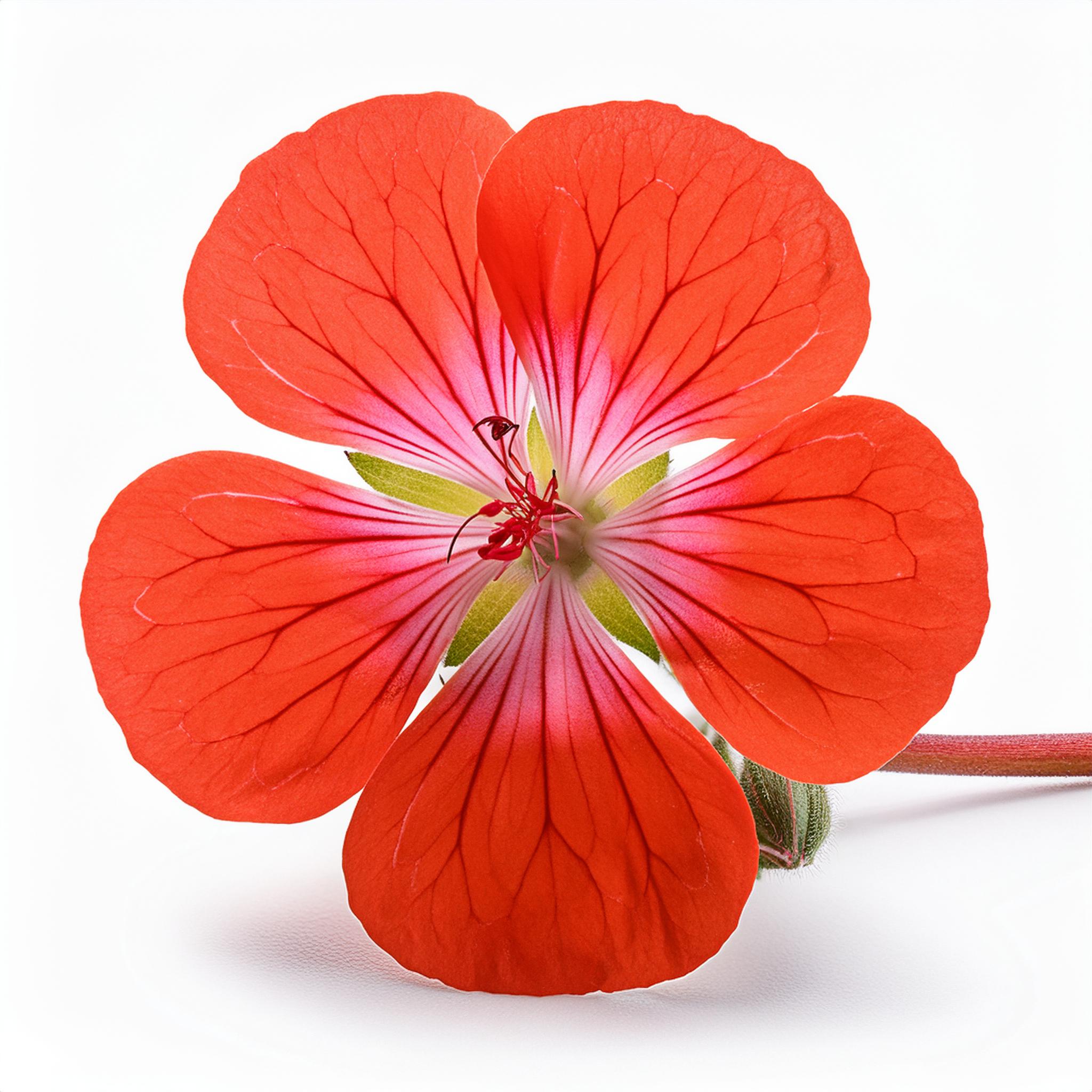
Get to know geranium essential oil
- Source
- Leaves and stems
- Origin
- Egypt, China, Reunion
- Extraction
- Steam-distilled
- Aroma
- Rosy, green, minty
What it is
Geranium is an aromatic essential oil distilled from the plant.
Why it belongs in your routine
Rosy-green leaf oil and hydrosol from rose-scented geranium.
How to use
Always dilute in a carrier oil before it touches skin. Never use undiluted. Patch test first.
Where does geranium essential oil come from?
Rose geranium, Pelargonium graveolens and its hybrids, is a bushy, soft-stemmed shrub native to South Africa that grows around 1 metre tall. Its deeply lobed, velvety leaves are covered in tiny glandular hairs that release a rose-like scent when brushed, and it carries small pink flowers. Most geranium essential oil today comes from farms in Egypt and China, with Reunion Island known for its Bourbon type.
Geranium essential oil is pale green to amber with a rosy, green and slightly minty scent, largely from citronellol and geraniol. Geranium hydrosol is the lightly scented water left from the same distillation, with a soft rose-green smell. The oil is used in soaps, perfumes, face oils and body blends, and the hydrosol in toners and facial mists.
Sourcing & extraction
How geranium essential oil is sourced and extracted
Why it is rare
The oil sits in fine hairs on the leaf surface and the yield is low, often around one kilogram of oil from several hundred kilograms of plant. Regional types such as Bourbon from Reunion are produced in small volumes and differ noticeably in scent.
How it is gathered
Geranium is typically grown as a field crop on family and commercial farms, especially in Egypt's Nile valley and in Yunnan in China. In Egypt the plants are cut back several times a year, usually just before flowering, when the leaves hold most oil. The cut greenery is left to wilt briefly and then carried to stills on or near the farm, often on the same day.
How it is made
Steam-distilled from leaves and stems
- Geranium plants are cut back before flowering, and the leafy stems are left to wilt briefly in the field.
- The plant material is packed into a still and steam is passed through it for a few hours.
- The vapour is cooled, and the geranium oil floats on the water and is separated off.
- The remaining aromatic water is filtered and kept as geranium hydrosol, while the oil is filtered and bottled.
How to use geranium essential oil
- Add a few drops to a diffuser for its aroma.
- For skin, dilute 1 to 2 drops in a teaspoon of carrier oil before applying.
- Keep away from eyes and never use undiluted on skin.
For external use only. Patch test on a small area before first use and stop if irritation occurs. If you are pregnant, nursing or have a medical condition, ask a healthcare professional before use.
From ingredient to routine
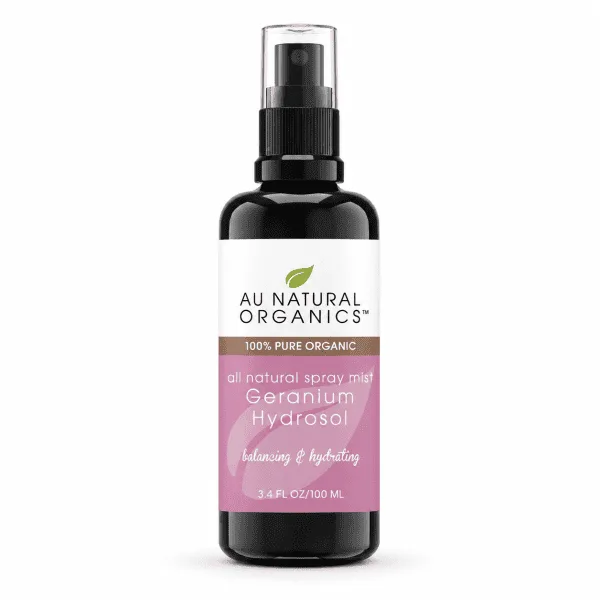
Products with Geranium
Find this ingredient in our collection.

Questions about Geranium
Where does Geranium come from?
Geranium is typically grown as a field crop on family and commercial farms, especially in Egypt's Nile valley and in Yunnan in China. In Egypt the plants are cut back several times a year, usually just before flowering, when the leaves hold most oil. The cut greenery is left to wilt briefly and then carried to stills on or near the farm, often on the same day.
How is Geranium extracted?
Steam-distilled from leaves and stems. Geranium plants are cut back before flowering, and the leafy stems are left to wilt briefly in the field. The plant material is packed into a still and steam is passed through it for a few hours. The vapour is cooled, and the geranium oil floats on the water and is separated off. The remaining aromatic water is filtered and kept as geranium hydrosol, while the oil is filtered and bottled.
Why is Geranium considered rare?
The oil sits in fine hairs on the leaf surface and the yield is low, often around one kilogram of oil from several hundred kilograms of plant. Regional types such as Bourbon from Reunion are produced in small volumes and differ noticeably in scent.