The Ingredient Library
Marjoram
Origanum majorana
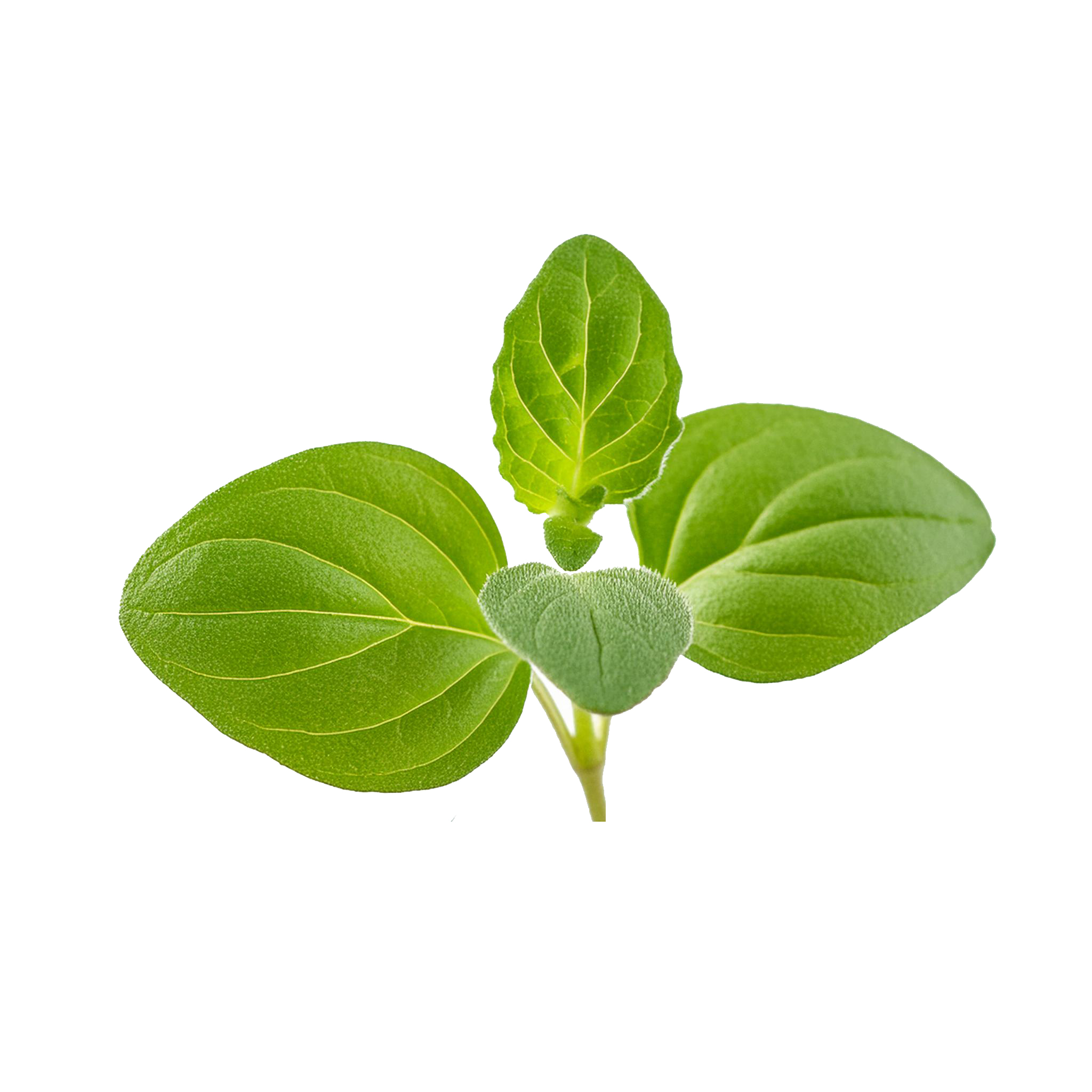
Sweet marjoram essential oil is steam-distilled from the flowering herb Origanum majorana, grown in large volumes in Egypt's Nile Valley and cut in the summer when the plant comes into flower.
Get to know Marjoram
- Source
- Flowering herb
- Origin
- Egypt
- Extraction
- Steam-distilled
- Aroma
- Warm, sweet, herbal
What it is
Marjoram is an aromatic essential oil distilled from the plant.
Why it belongs in your routine
Warm, herbal sweet marjoram oil distilled from the flowering herb.
How to use
Always dilute in a carrier oil before it touches skin. Never use undiluted. Patch test first.
Where Marjoram comes from
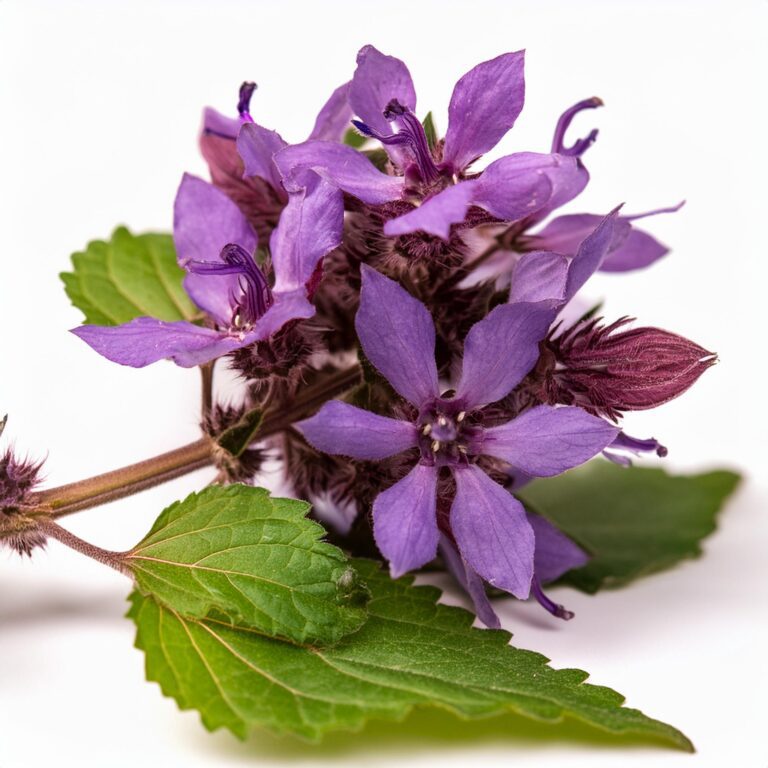
Sweet marjoram, Origanum majorana, is a bushy perennial herb of the mint family, closely related to oregano. It grows about 30 to 60 cm tall with soft grey-green leaves and knot-like clusters of tiny white or pale pink flowers. It comes from the eastern Mediterranean and is farmed in Egypt, France, Hungary and elsewhere, with Egypt one of the main sources of the oil.
Sweet marjoram essential oil is pale yellow, with a warm, sweet, herbal scent that has a slight woody, spicy edge. Its main components include terpinen-4-ol and sabinene hydrate. It is softer and rounder than oregano oil, and it is used in massage blends, bath oils and soaps, and pairs well with lavender, bergamot and cedarwood.
Sourcing & extraction
How Marjoram is sourced and extracted
Why it is rare
Marjoram gives relatively little oil: distillation typically recovers under 1 to 2 kg of oil from 100 kg of dried herb. The crop is cut only at flowering, when the oil content is highest.
How it is gathered
In Egypt, marjoram is grown on family farms in the Nile Valley and the Fayoum area, often from cuttings planted in winter. Farmers usually cut the herb by hand at the start of flowering, and fields can give two or more cuts in a season. The cut herb is dried in the shade to reduce moisture and taken to regional distilleries, where it is processed soon after harvest.
How it is made
Steam-distilled from the herb
- Marjoram is cut by hand when the plants begin to flower, usually in the early morning.
- The herb is dried in the shade for a short time and then packed into large stainless steel stills.
- Steam is passed through the herb, releasing the oil held in tiny glands on the leaves and flowers.
- The steam is condensed and the essential oil is separated from the water, then filtered before bottling.
How to use Marjoram
- Add a few drops to a diffuser for its aroma.
- For skin, dilute 1 to 2 drops in a teaspoon of carrier oil before applying.
- Keep away from eyes and never use undiluted on skin.
For external use only. Patch test on a small area before first use and stop if irritation occurs. If you are pregnant, nursing or have a medical condition, ask a healthcare professional before use.
From ingredient to routine
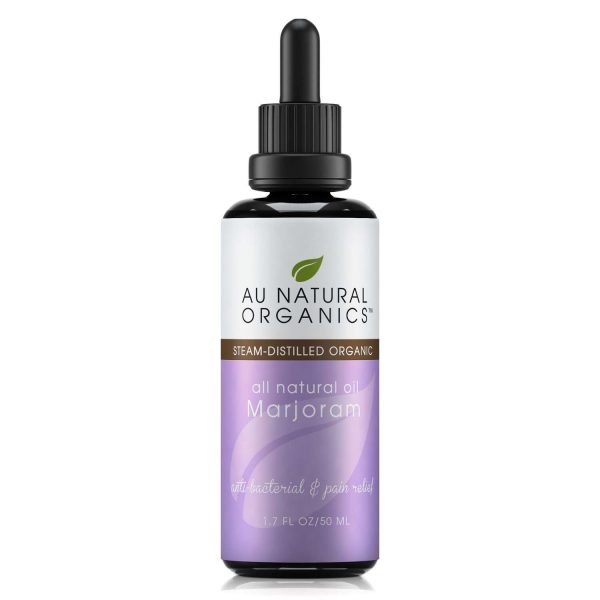
Products with Marjoram
Find this ingredient in our collection.
Questions about Marjoram
Where does Marjoram come from?
In Egypt, marjoram is grown on family farms in the Nile Valley and the Fayoum area, often from cuttings planted in winter. Farmers usually cut the herb by hand at the start of flowering, and fields can give two or more cuts in a season. The cut herb is dried in the shade to reduce moisture and taken to regional distilleries, where it is processed soon after harvest.
How is Marjoram extracted?
Steam-distilled from the herb. Marjoram is cut by hand when the plants begin to flower, usually in the early morning. The herb is dried in the shade for a short time and then packed into large stainless steel stills. Steam is passed through the herb, releasing the oil held in tiny glands on the leaves and flowers. The steam is condensed and the essential oil is separated from the water, then filtered before bottling.
Why is Marjoram considered rare?
Marjoram gives relatively little oil: distillation typically recovers under 1 to 2 kg of oil from 100 kg of dried herb. The crop is cut only at flowering, when the oil content is highest.