The Ingredient Library
Citronella
Cymbopogon nardus
Citronella essential oil is steam distilled from a tall tropical grass grown in Sri Lanka, source of Ceylon citronella. It has a bright, lemony and grassy scent.
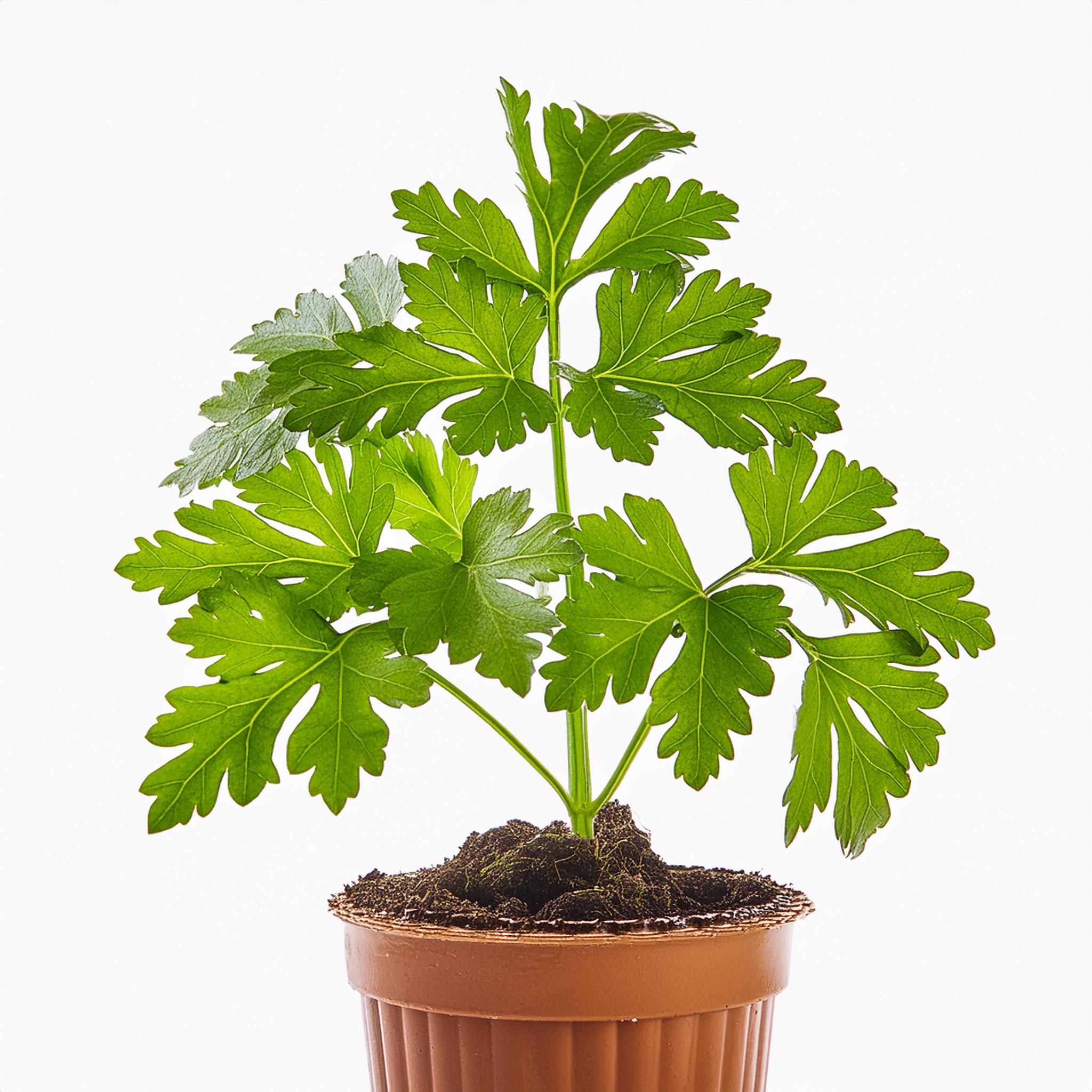
Get to know citronella essential oil
- Source
- Leaves (grass)
- Origin
- Sri Lanka
- Extraction
- Steam distilled
- Aroma
- Lemony, grassy, woody
What it is
Citronella is an aromatic essential oil distilled from the plant.
Why it belongs in your routine
Lemony, grassy oil distilled from Ceylon citronella grass.
How to use
Always dilute in a carrier oil before it touches skin. Never use undiluted. Patch test first.
Where does citronella essential oil come from?
Cymbopogon nardus is a clump-forming perennial grass closely related to lemongrass. It grows in dense tufts of long, narrow leaves that can reach around two metres, and it is cultivated widely in southern Sri Lanka, where the oil is known as Ceylon citronella. The plant rarely flowers under cultivation and is propagated by dividing the clumps. A related species, Cymbopogon winterianus, gives the Java type grown in Indonesia and elsewhere.
Citronella essential oil is pale yellow to brownish yellow with a fresh, lemony, grassy scent that has a slightly woody, smoky edge. Ceylon citronella typically contains geraniol, citronellal, camphene and limonene, and is less sweet than the Java type. It is used in candles, soaps, room sprays, outdoor blends and household cleaning products.
Sourcing & extraction
How citronella essential oil is sourced and extracted
Why it is rare
The Ceylon type is grown mainly in a small area of southern Sri Lanka and is less widely produced than the Java type. Its oil content in the grass is low, so large amounts of leaf are cut for each batch.
How it is gathered
In southern Sri Lanka, citronella is grown by smallholders and on estates, often on sloping land near Matara and Hambantota. The grass is cut by hand with sickles several times a year, leaving the base of the clump to grow back. Cut leaves are usually wilted in the field for a day or two to reduce moisture, then bundled and taken to small local distilleries, many of them run by growers or village producers.
How it is made
Steam distilled from the grass
- The grass is cut by hand a short way above the base, so the clump sends up fresh leaves for the next cut.
- Cut leaves are left to wilt in the field, which lowers their moisture and makes distillation more efficient.
- The wilted grass is packed into a still and steam is passed through to carry out the essential oil.
- The vapour is cooled in a condenser, and the oil is separated from the water, then filtered and stored.
How to use citronella essential oil
- Add a few drops to a diffuser for its aroma.
- For skin, dilute 1 to 2 drops in a teaspoon of carrier oil before applying.
- Keep away from eyes and never use undiluted on skin.
For external use only. Patch test on a small area before first use and stop if irritation occurs. If you are pregnant, nursing or have a medical condition, ask a healthcare professional before use.
From ingredient to routine
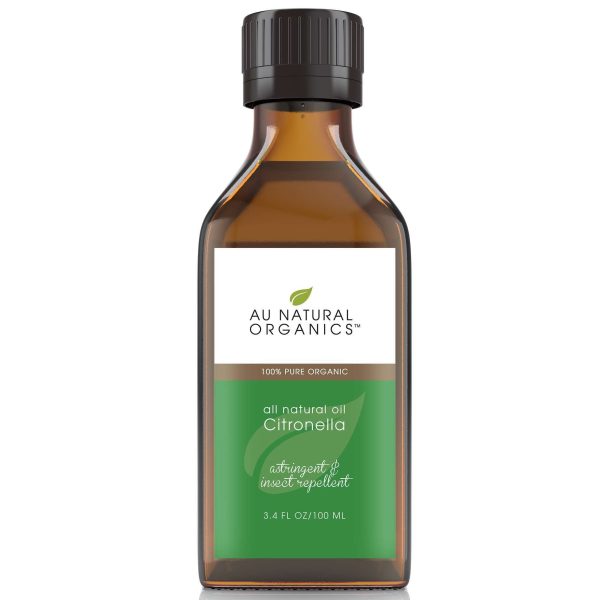
Products with Citronella
Find this ingredient in our collection.
Questions about Citronella
Where does Citronella come from?
In southern Sri Lanka, citronella is grown by smallholders and on estates, often on sloping land near Matara and Hambantota. The grass is cut by hand with sickles several times a year, leaving the base of the clump to grow back. Cut leaves are usually wilted in the field for a day or two to reduce moisture, then bundled and taken to small local distilleries, many of them run by growers or village producers.
How is Citronella extracted?
Steam distilled from the grass. The grass is cut by hand a short way above the base, so the clump sends up fresh leaves for the next cut. Cut leaves are left to wilt in the field, which lowers their moisture and makes distillation more efficient. The wilted grass is packed into a still and steam is passed through to carry out the essential oil. The vapour is cooled in a condenser, and the oil is separated from the water, then filtered and stored.
Why is Citronella considered rare?
The Ceylon type is grown mainly in a small area of southern Sri Lanka and is less widely produced than the Java type. Its oil content in the grass is low, so large amounts of leaf are cut for each batch.