The Ingredient Library
Laurel Leaf
Laurus nobilis
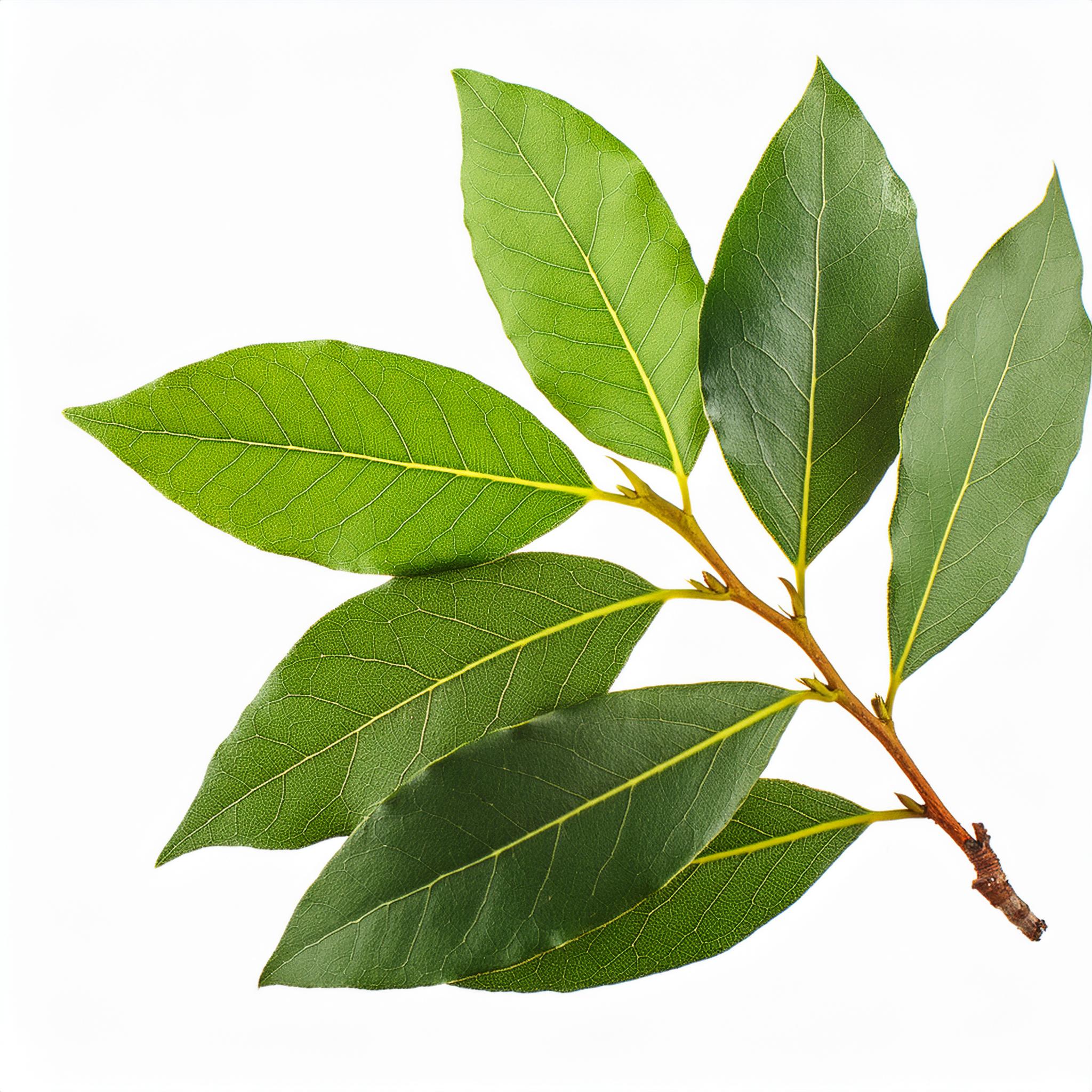
Laurel leaf essential oil is steam-distilled from the evergreen leaves of the bay laurel, a Mediterranean tree grown from Turkey to Spain for its fragrant, glossy foliage.
Get to know laurel leaf essential oil
- Source
- Leaf
- Origin
- Mediterranean, Turkey
- Extraction
- Steam-distilled
- Aroma
- Spicy, fresh, cineole
What it is
Laurel Leaf is an aromatic essential oil distilled from the plant.
Why it belongs in your routine
Fresh, camphoraceous bay leaf oil distilled from Mediterranean laurel.
How to use
Always dilute in a carrier oil before it touches skin. Never use undiluted. Patch test first.
Where does laurel leaf essential oil come from?
Laurel leaf oil comes from Laurus nobilis, the sweet bay or bay laurel, an evergreen tree native to the Mediterranean basin. Left alone it can reach 10 to 18 metres, though many are kept as clipped shrubs. Its leathery, dark green leaves are the same bay leaves used in the kitchen, and the tree grows wild on hillsides across Turkey, Greece and the Balkans.
The essential oil is pale yellow and thin, with a fresh, spicy, sharp, camphor-like top note that comes from 1,8-cineole, its main component. Linalool and eugenol add a softer, clove-like depth. Perfumers use it in small amounts in fougère and herbal accords, and it appears in soaps, beard oils and room scents where a green, aromatic lift is wanted.
Sourcing & extraction
How laurel leaf essential oil is sourced and extracted
Why it is rare
Most bay leaves go to the spice trade, so only a small share of the harvest ends up in a still. Distillation typically gives around 1 to 3 kg of oil per 100 kg of dried leaf, which keeps volumes modest compared with bulk oils such as eucalyptus.
How it is gathered
Turkey is the largest source of laurel leaves, with most gathered from wild and semi-wild stands along the Aegean and Mediterranean coasts. Local collectors usually cut leafy branches between late summer and autumn, when oil content is highest. The branches are dried in the shade, the leaves are stripped off, and bales are sold to spice traders and distilleries. Albania and other Balkan countries supply smaller quantities gathered in a similar way.
How it is made
Steam-distilled from the dried leaf
- Leafy laurel branches are cut, usually from wild or semi-wild trees, and dried in the shade until the leaves are brittle.
- The dried leaves are stripped from the stems, sorted to remove twigs, and packed loosely into the distillation vessel.
- Steam is passed up through the leaf bed for several hours, carrying the volatile aromatic compounds out with it.
- The vapour is cooled in a condenser, and the essential oil is separated from the water as it floats to the top.
How to use laurel leaf essential oil
- Add a few drops to a diffuser for its aroma.
- For skin, dilute 1 to 2 drops in a teaspoon of carrier oil before applying.
- Keep away from eyes and never use undiluted on skin.
For external use only. Patch test on a small area before first use and stop if irritation occurs. If you are pregnant, nursing or have a medical condition, ask a healthcare professional before use.
From ingredient to routine
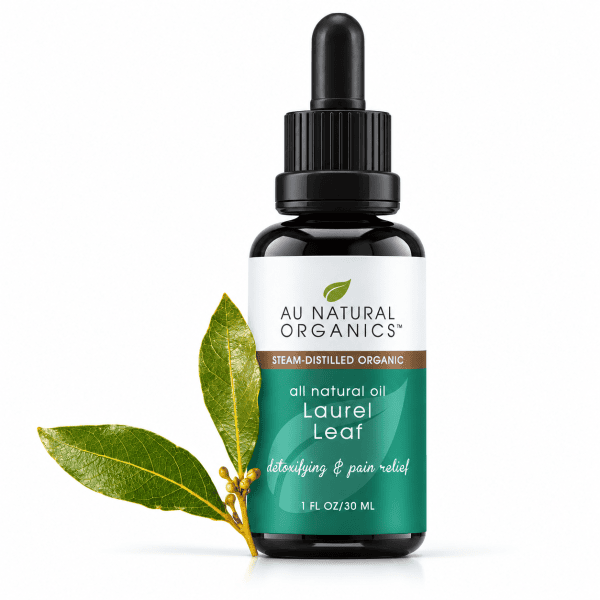
Products with Laurel Leaf
Find this ingredient in our collection.
Questions about Laurel Leaf
Where does Laurel Leaf come from?
Turkey is the largest source of laurel leaves, with most gathered from wild and semi-wild stands along the Aegean and Mediterranean coasts. Local collectors usually cut leafy branches between late summer and autumn, when oil content is highest. The branches are dried in the shade, the leaves are stripped off, and bales are sold to spice traders and distilleries. Albania and other Balkan countries supply smaller quantities gathered in a similar way.
How is Laurel Leaf extracted?
Steam-distilled from the dried leaf. Leafy laurel branches are cut, usually from wild or semi-wild trees, and dried in the shade until the leaves are brittle. The dried leaves are stripped from the stems, sorted to remove twigs, and packed loosely into the distillation vessel. Steam is passed up through the leaf bed for several hours, carrying the volatile aromatic compounds out with it. The vapour is cooled in a condenser, and the essential oil is separated from the water as it floats to the top.
Why is Laurel Leaf considered rare?
Most bay leaves go to the spice trade, so only a small share of the harvest ends up in a still. Distillation typically gives around 1 to 3 kg of oil per 100 kg of dried leaf, which keeps volumes modest compared with bulk oils such as eucalyptus.