
Description
Citronella is a clump-forming grass closely related to lemongrass, with long, narrow leaves that can reach two metres. In southern Sri Lanka, near Matara and Hambantota, smallholders and estates cut the grass by hand with sickles several times a year, leaving the base of each clump in the ground. The leaves are wilted in the field for a day or two, then bundled and taken to small local distilleries. The oil is pale to brownish yellow with a fresh, lemony, grassy scent and a slightly woody edge. Ceylon citronella contains geraniol, citronellal, camphene and limonene.
Details
| Botanical name | Cymbopogon nardus (Ceylon citronella) |
|---|---|
| Origin | Sri Lanka |
| Part used | Leaves |
| Extraction | Steam-distilled |
| Aroma | Lemony, grassy, woody |
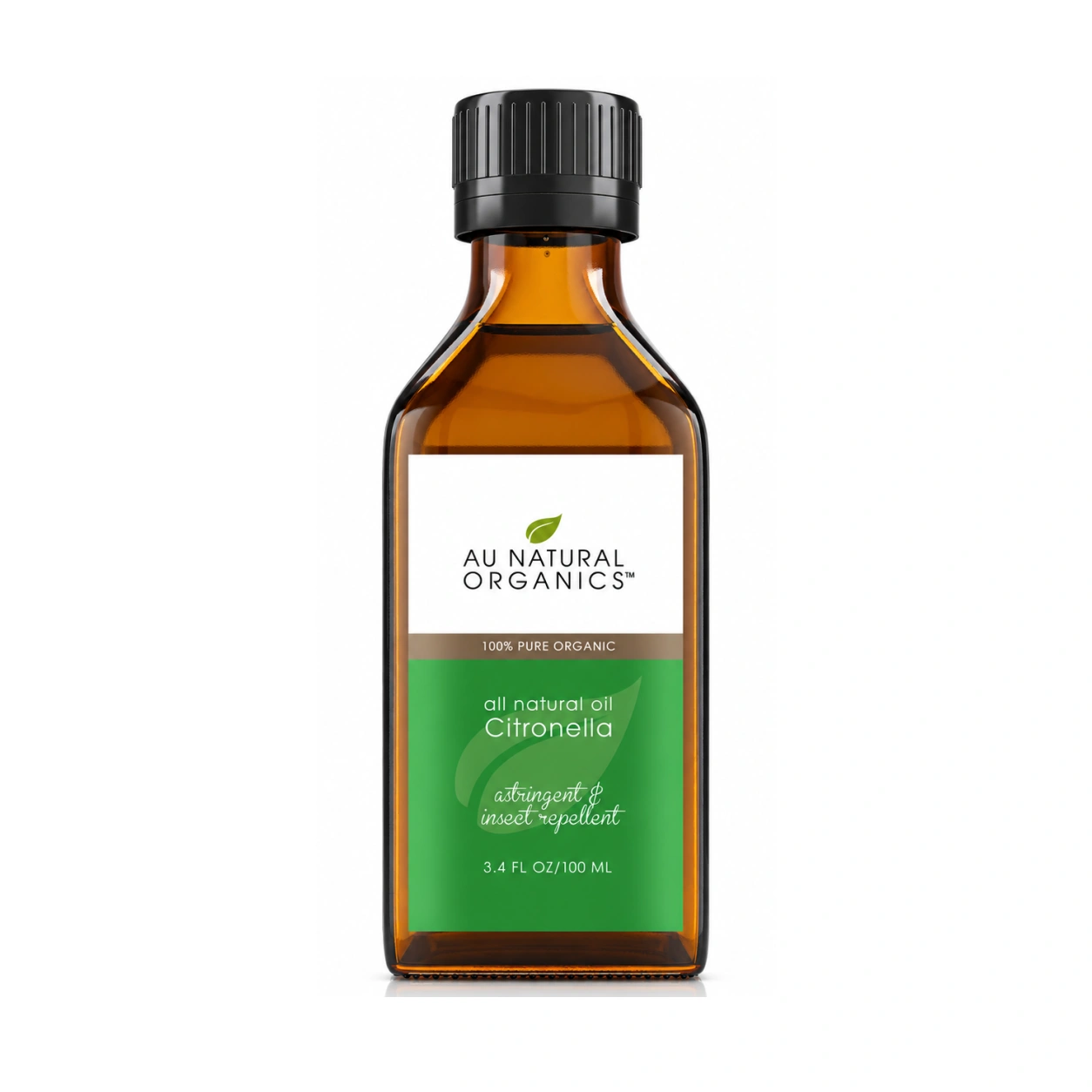
| Size | 3.4oz (100ml) |
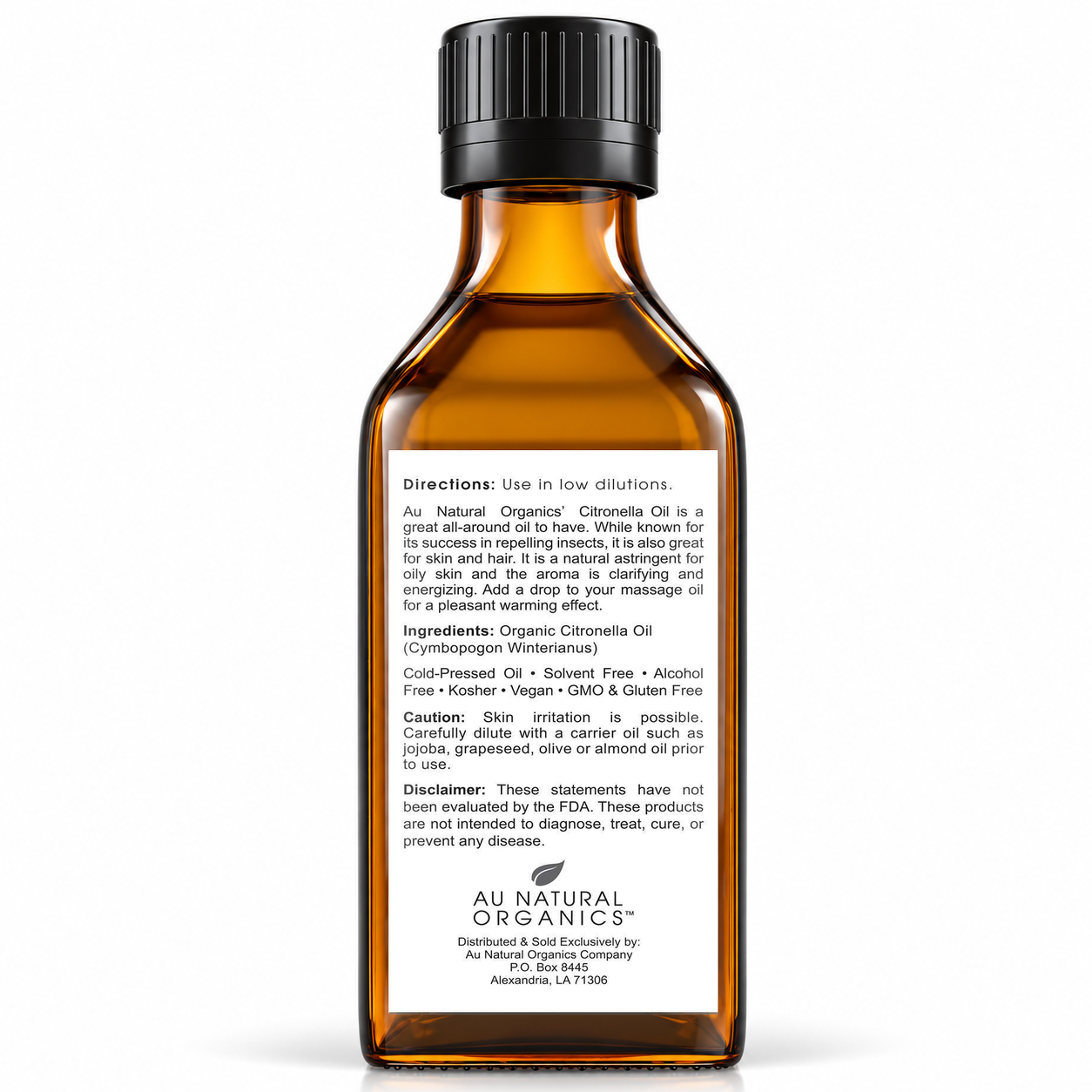
| Ingredients | 100% Cymbopogon nardus oil |
Ceylon, not Java: the Java type comes from a related grass, Cymbopogon winterianus, and smells sweeter. The Ceylon type is grown mainly in a small area of southern Sri Lanka.
How to use
- Candles: add to candle wax for a lemony, grassy scent.
- Outdoor diffuser: add 5 to 6 drops to water in a diffuser on a patio or porch.
- Cleaning: add 10 drops to a spray bottle of water and vinegar.
Essential oils are concentrated. Always dilute before use on skin, patch test first, keep away from eyes and out of reach of children, and do not take internally. If you are pregnant or nursing, check with your doctor before use.
FAQs
What is the difference between Ceylon and Java citronella?
They come from two related grasses. Ceylon is drier and woodier; Java is sweeter and more lemony.
What does it blend with?
Lemongrass, lavender, cedarwood and eucalyptus.
Can I put it straight on my skin?
No. Dilute it in a carrier oil first and patch test.
Reviews
There are no reviews yet.