
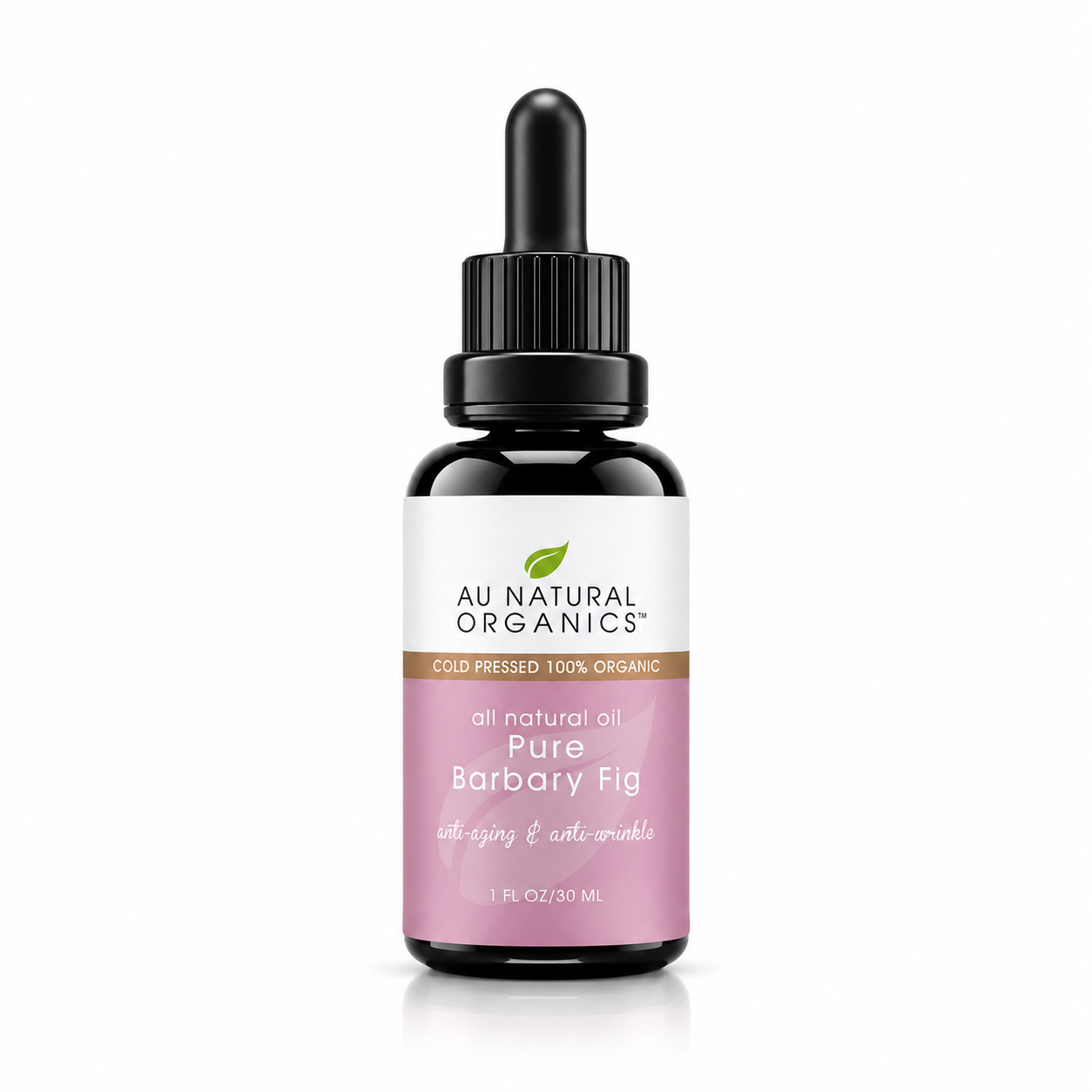
Description
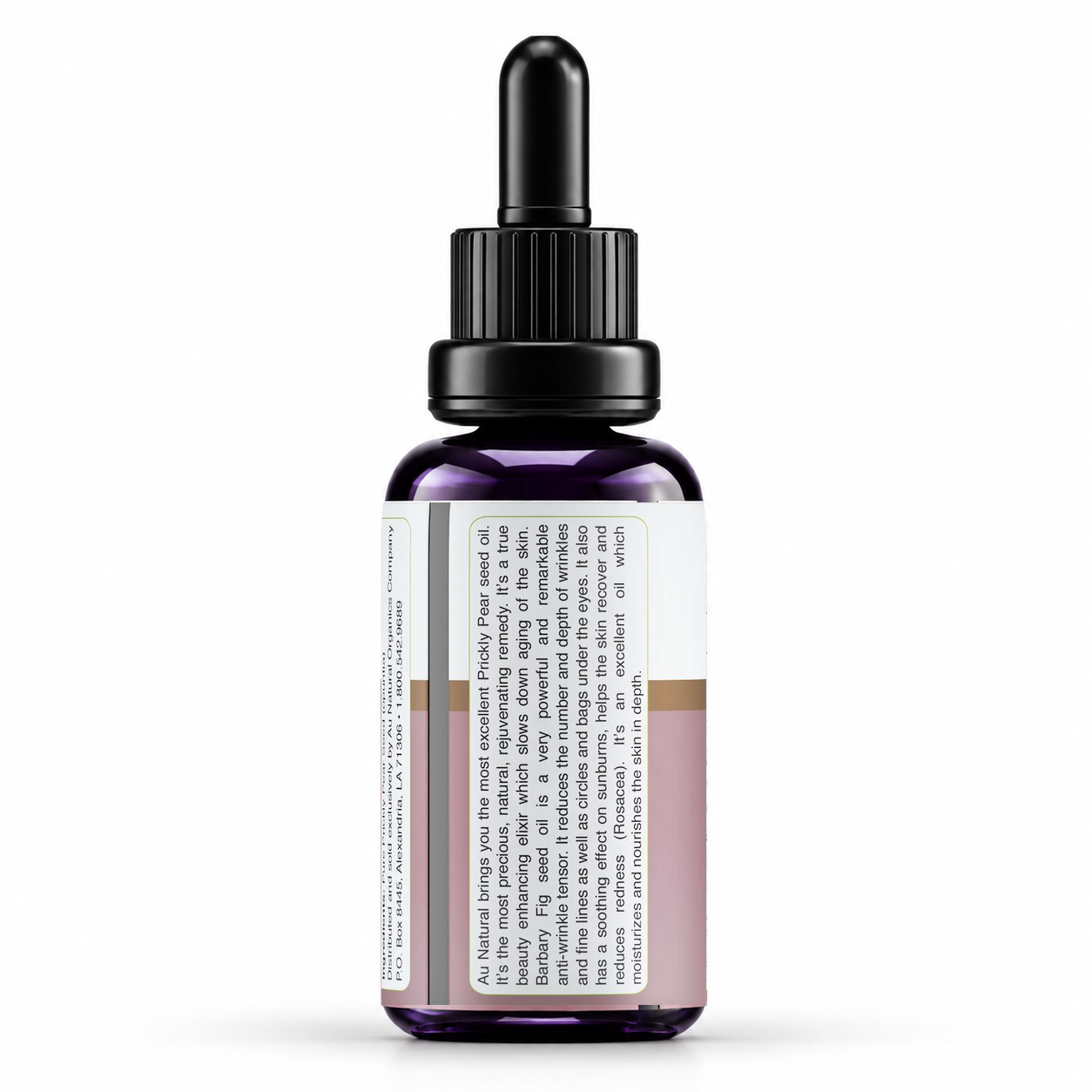
The barbary fig is the prickly pear cactus. In southwest Morocco it grows in large hedges and plantations around Sidi Ifni, Guelmim and the Anti-Atlas. From July to September, cooperative members pick the spiny fruit with gloves or tongs. The pulp is eaten or made into juice and jam, and the tiny hard seeds are washed, sun-dried and cold-pressed. The oil is pale green to golden with a fresh, grassy smell. It is around 60 percent linoleic acid, with natural vitamin E and plant sterols, and feels light and dry.
Details
| Botanical name | Opuntia ficus-indica (barbary fig, prickly pear) |
|---|---|
| Origin | Southwest Morocco |
| Part used | Seed |
| Extraction | Cold-pressed |
| Texture | Light, dry, fast-absorbing |
| Size | 1oz (30ml) |
| Ingredients | 100% Opuntia ficus-indica seed oil |
Why supply is limited: each fruit holds only a few grams of seed, and the seeds contain just 5 to 6 percent oil. About 1,000 kg of fruit, or 30 kg of seed, gives one litre.
How to use
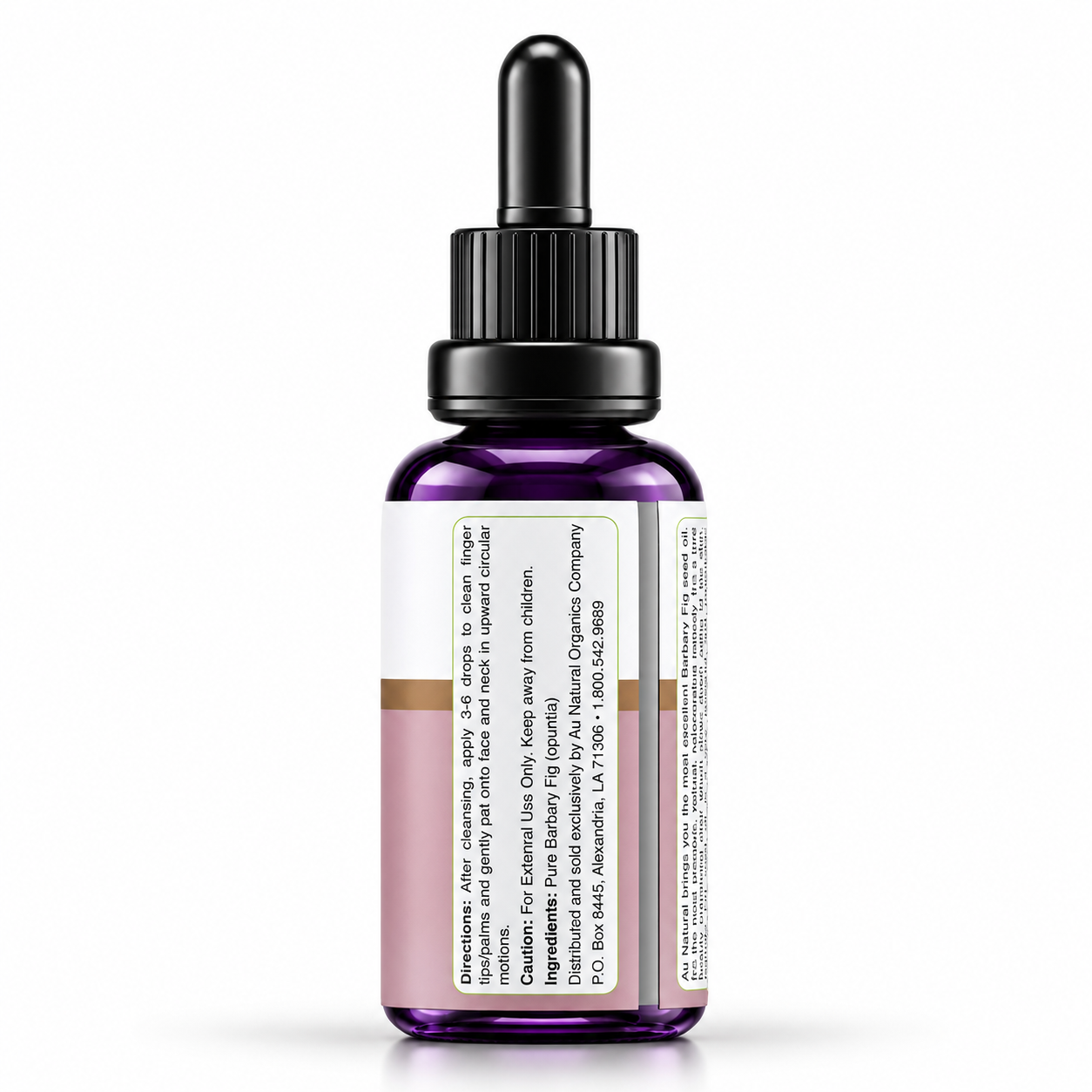
- Face: press 2 to 3 drops into clean skin, morning or evening.
- Around the eyes: tap a single drop gently around the eye area, avoiding the eyes.
- Hair: rub a drop through the ends for shine.
Patch test on the inner arm before first use. Keep away from the eyes. Store somewhere cool and dark with the cap closed.
FAQs
Is barbary fig oil the same as prickly pear seed oil?
Yes. Barbary fig and prickly pear are two names for the same cactus, Opuntia ficus-indica.
Why is it expensive?
It takes about 1,000 kg of fruit to make one litre.
Is it greasy?
No. It is light and dry and absorbs quickly.
Read where barbary fig seed oil comes from and how it is made.

Reviews