
Description
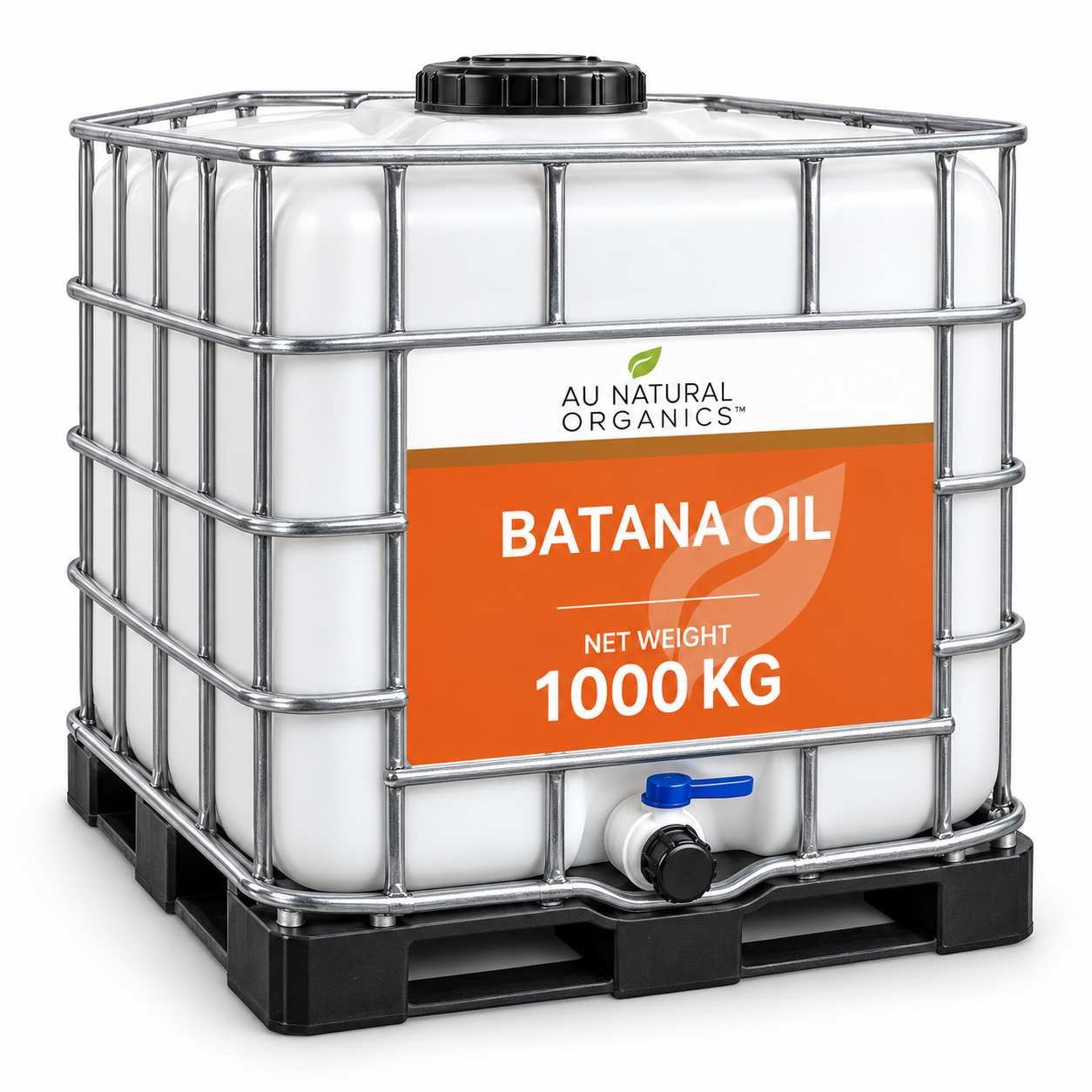
Batana oil comes from the nuts of the American oil palm in La Mosquitia, the remote Caribbean lowland of northeastern Honduras, where the Miskito people have processed it by hand for generations. Families gather ripe fruit from wild palms near rivers and lagoons, dry the nuts and crack them by hand to free the kernels. Batana is thick and buttery, often semi-solid at room temperature, and ranges from golden to deep brown. This 1000 kg listing is for manufacturers, salons and brands that use batana in hair oils, masks, balms and body care.
Details
| Botanical name | Elaeis oleifera (American oil palm) |
|---|---|
| Origin | La Mosquitia, Honduras |
| Part used | Palm nut kernel |
| Extraction | Pressed from the kernel |
| Texture | Thick, buttery |
| Quantity | 1000 kg |
| Ingredients | 100% Elaeis oleifera kernel oil |
Why supply is limited: the American oil palm grows wild in a limited area, and batana comes mostly from one remote region reached by boat, small plane or rough road, where it is processed by hand in small batches.
How to use
- Hair oils and masks: use as the base or a key oil in hair oils, pre-wash masks and conditioners.
- Balms and butters: melt into balms, body butters and scalp care.
- Handling: warm gently to soften before weighing or blending.
Store sealed, below 25°C (77°F) and out of direct light. The oil may firm up when cool; this does not affect quality.
FAQs
Is batana the same as ojon?
Both come from the American oil palm. Ojon usually refers to the dark, traditionally cooked oil; batana describes the pressed kernel oil.
Can I get a sample before ordering?
Contact us to ask about samples, lead times and packing for bulk orders.
Do you offer wholesale pricing on smaller amounts?
Yes. Apply for a wholesale account for volume pricing on retail sizes.

Reviews
There are no reviews yet.