
Description
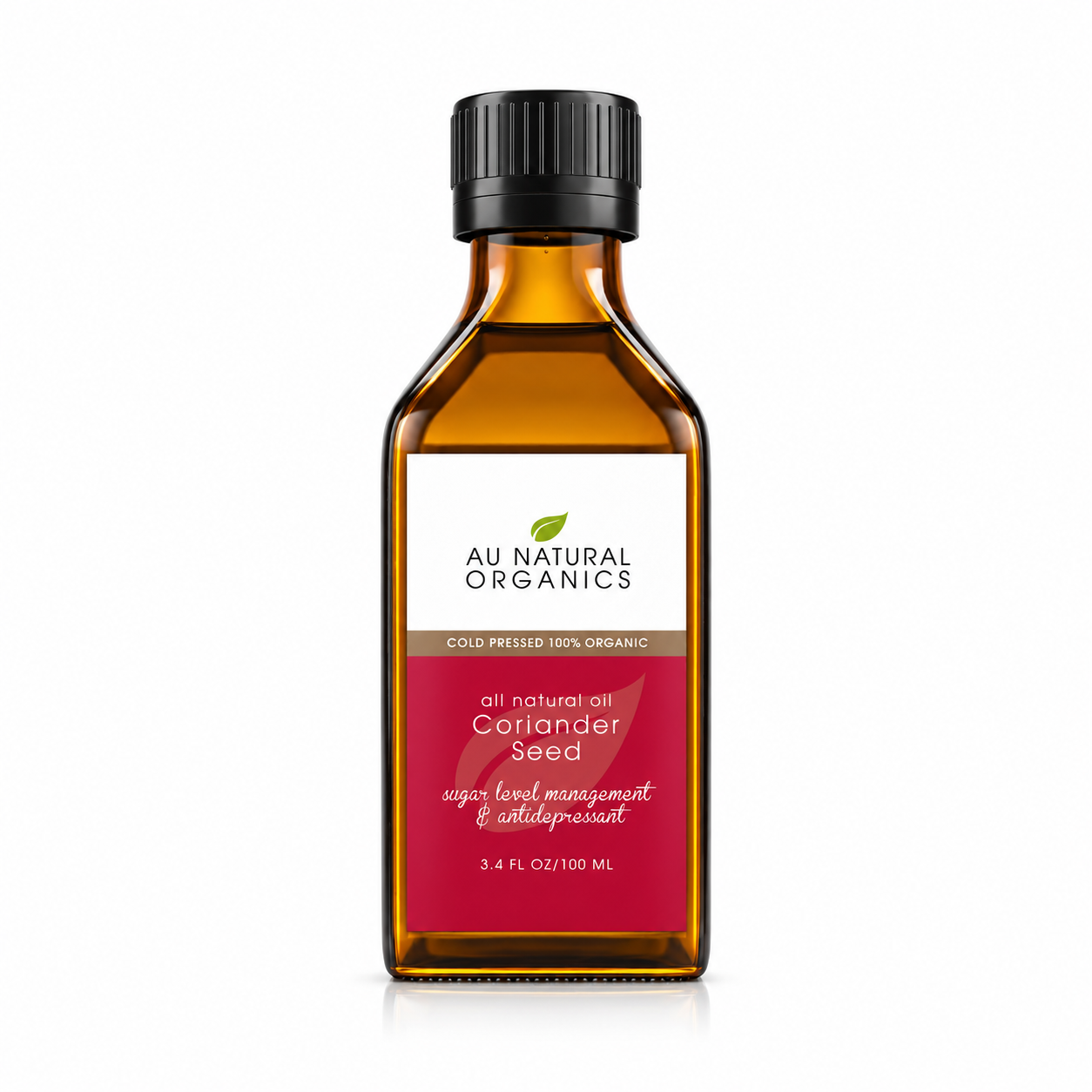
Coriander is an annual herb of the parsley family, grown for its leaves, often called cilantro, and for its round, ribbed seeds. Large seed crops are grown in Russia, Ukraine, India and Morocco, and the seed is harvested in late summer when it turns from green to brown. Most of it goes to the spice trade, and a small share is cold-pressed for its fatty oil. The oil is pale yellow with only a faint spicy scent. Its main fatty acid is petroselinic acid, found in few oils outside the parsley family, which gives it a soft, silky feel.
Details
| Botanical name | Coriandrum sativum (coriander) |
|---|---|
| Origin | Eastern Europe and Asia |
| Part used | Seed |
| Extraction | Cold-pressed |
| Texture | Soft, silky |
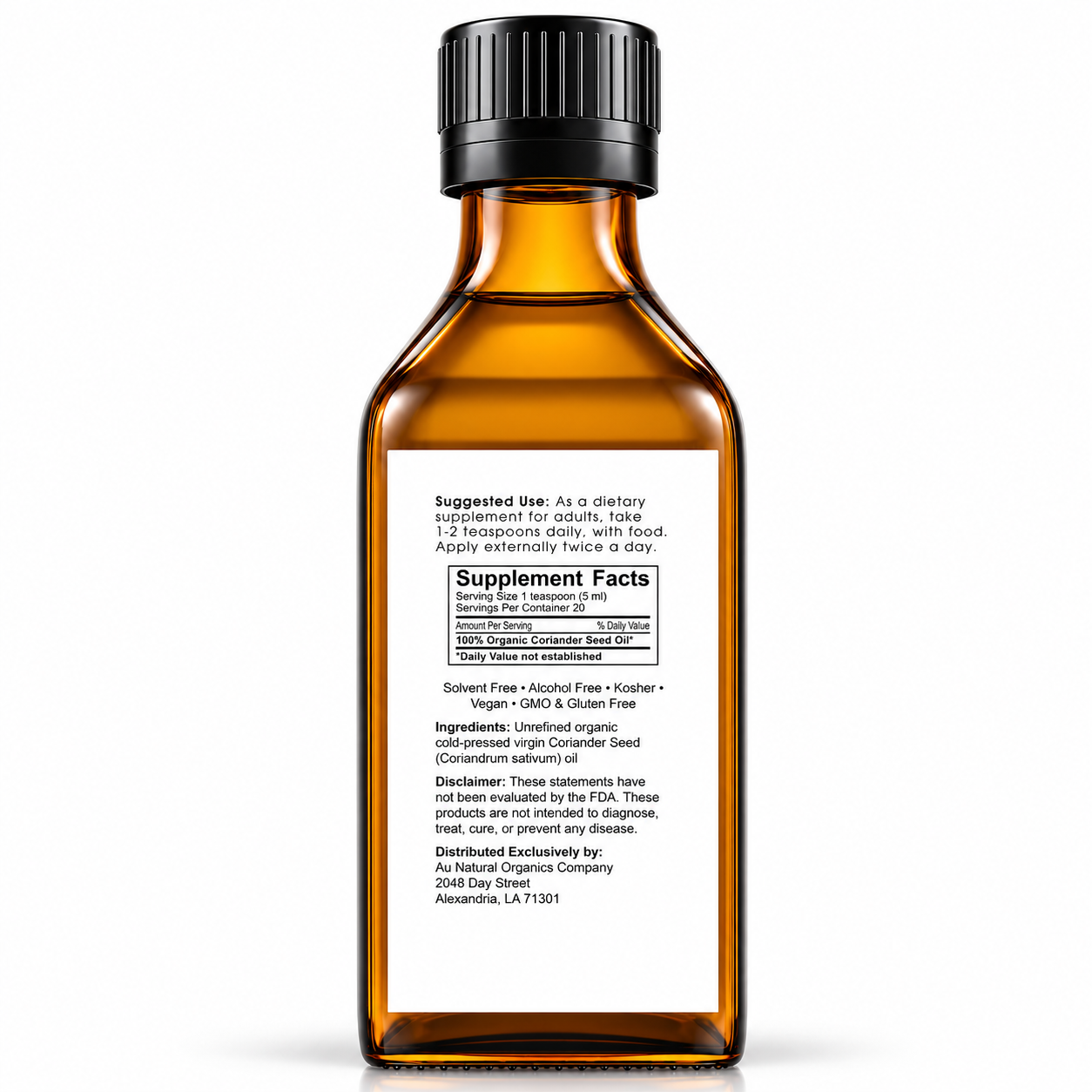
| Ingredients | 100% Coriandrum sativum seed oil |
Why supply is limited: coriander seeds hold only a modest share of fatty oil, and most of the world crop goes to the spice trade.
How to use
- Face: press 2 to 3 drops into clean skin.
- Body: smooth over damp skin after bathing.
- Blends: use as a silky base in face oils and creams.
Patch test on the inner arm before first use. Keep away from the eyes. Store somewhere cool and dark with the cap closed.
FAQs
Is this coriander essential oil?
No. It is a cold-pressed carrier oil. Coriander essential oil is steam-distilled and must be diluted.
Does it smell of coriander?
Only faintly, with a light spicy note.
What is petroselinic acid?
A fatty acid found mainly in parsley-family seeds such as coriander, carrot and parsley.
Read where coriander seed oil comes from and how it is made.



Reviews
There are no reviews yet.