The Ingredient Library
Brazil Nut
Bertholletia excelsa
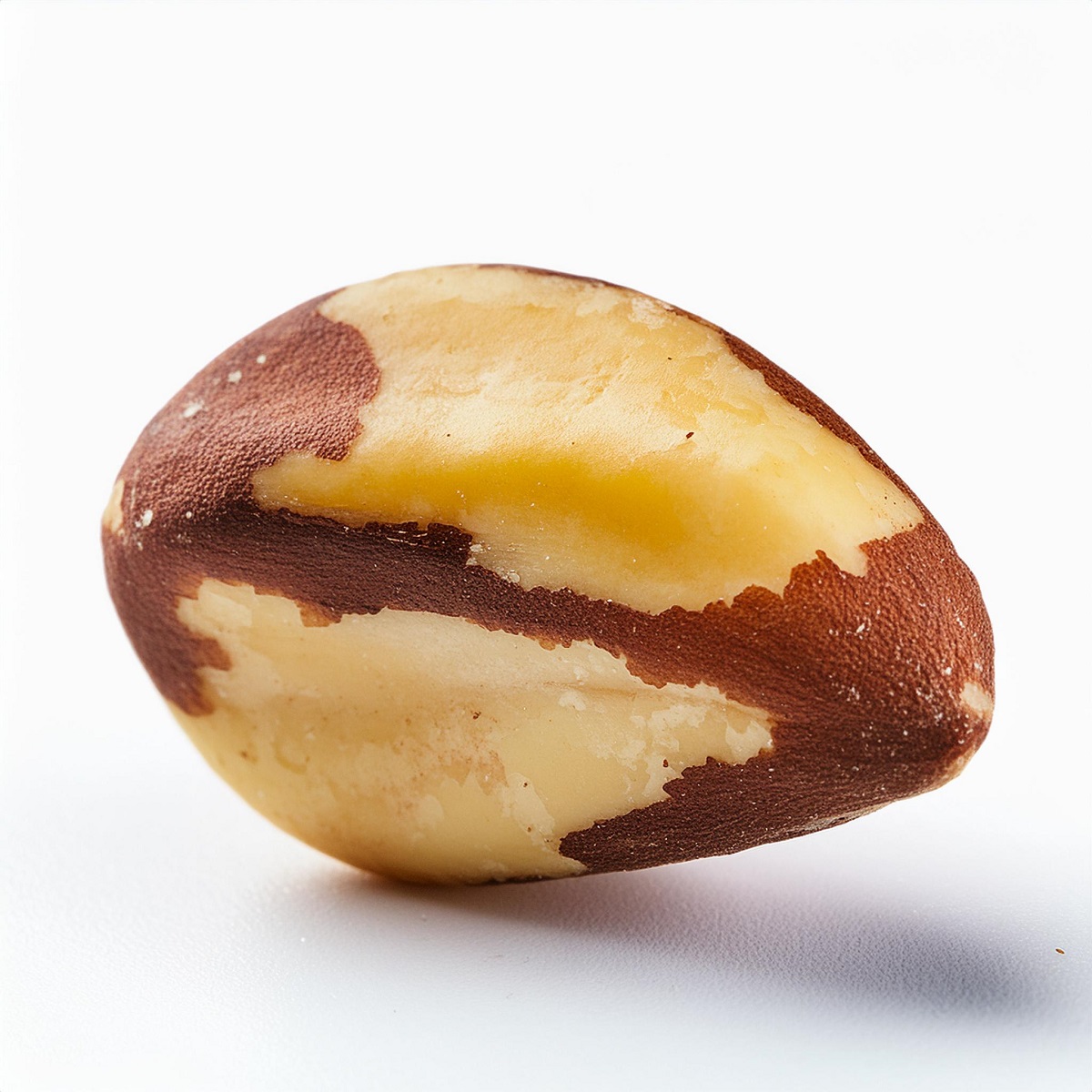
Brazil nut oil is pressed from the nuts of giant wild Amazon trees in Bolivia, Peru and Brazil. The pods fall in the rainy season and are gathered by hand from the forest floor.
Get to know Brazil Nut
- Source
- Nut (seed)
- Origin
- Bolivia, Peru, Brazil
- Extraction
- Cold-pressed
- Texture
- Rich, smooth
What it is
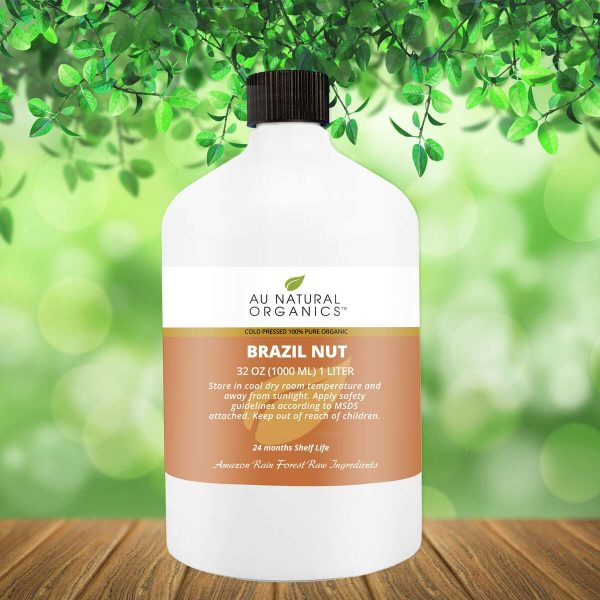
Brazil Nut is a botanical carrier oil used in hair and skin care.
Why it belongs in your routine
Rich nut oil pressed from wild-gathered Amazon Brazil nuts.
How to use
Warm a few drops between your palms and smooth over hair or skin. Patch test before use.
Where Brazil Nut comes from
Brazil nut oil comes from Bertholletia excelsa, one of the tallest trees of the Amazon rainforest, commonly reaching 30 to 50 metres. It grows wild across the Amazon basin, especially in Pando in Bolivia, Madre de Dios in Peru and Acre in Brazil. The tree produces round woody pods about the size of a coconut, and each one holds roughly 10 to 25 of the wedge-shaped seeds sold as Brazil nuts.
The oil is pale yellow with a mild, nutty smell. It is rich in oleic and linoleic acids and contains palmitic and stearic acids, which give it a smooth, slightly rich feel on the skin. It is used in body oils, hair oils, balms, soaps and lip products, where it moisturises and softens without feeling heavy.
Sourcing & extraction
How Brazil Nut is sourced and extracted
Why it is rare
Brazil nut trees rarely fruit well on plantations because their flowers depend on large wild bees that need intact forest. Almost all nuts come from wild trees, and the pods take over a year to mature, so supply follows the forest's own cycle.
How it is gathered
Brazil nuts are gathered by collectors known as castañeros in Bolivia and Peru and castanheiros in Brazil. During the rainy season, roughly December to March, the heavy pods drop to the ground. Collectors walk forest trails to each tree, pile the pods, and split them open with machetes. The nuts are carried out in sacks, often by boat, to processing plants in towns such as Riberalta in Bolivia, where they are dried, shelled and graded before pressing.
How it is made
Cold-pressed from the nut
- Pods are opened in the forest and the nuts, still in their hard shells, are taken to a processing plant.
- The nuts are dried, then boiled or steamed briefly so the shells crack and can be removed by hand or machine.
- Shelled kernels are sorted and pressed in an expeller press at low temperature to release the oil.
- The oil is settled and filtered to remove kernel particles, then stored in sealed containers away from heat.
How to use Brazil Nut
- Start with a few drops and warm them between your palms.
- Massage into clean skin, or work through the lengths of damp or dry hair.
- Use on its own, or add a few drops to your moisturizer or conditioner.
For external use only. Patch test on a small area before first use and stop if irritation occurs. If you are pregnant, nursing or have a medical condition, ask a healthcare professional before use.
From ingredient to routine
Products with Brazil Nut
Find this ingredient in our collection.
Questions about Brazil Nut
Where does Brazil Nut come from?
Brazil nuts are gathered by collectors known as castañeros in Bolivia and Peru and castanheiros in Brazil. During the rainy season, roughly December to March, the heavy pods drop to the ground. Collectors walk forest trails to each tree, pile the pods, and split them open with machetes. The nuts are carried out in sacks, often by boat, to processing plants in towns such as Riberalta in Bolivia, where they are dried, shelled and graded before pressing.
How is Brazil Nut extracted?
Cold-pressed from the nut. Pods are opened in the forest and the nuts, still in their hard shells, are taken to a processing plant. The nuts are dried, then boiled or steamed briefly so the shells crack and can be removed by hand or machine. Shelled kernels are sorted and pressed in an expeller press at low temperature to release the oil. The oil is settled and filtered to remove kernel particles, then stored in sealed containers away from heat.
Why is Brazil Nut considered rare?
Brazil nut trees rarely fruit well on plantations because their flowers depend on large wild bees that need intact forest. Almost all nuts come from wild trees, and the pods take over a year to mature, so supply follows the forest's own cycle.