
Description
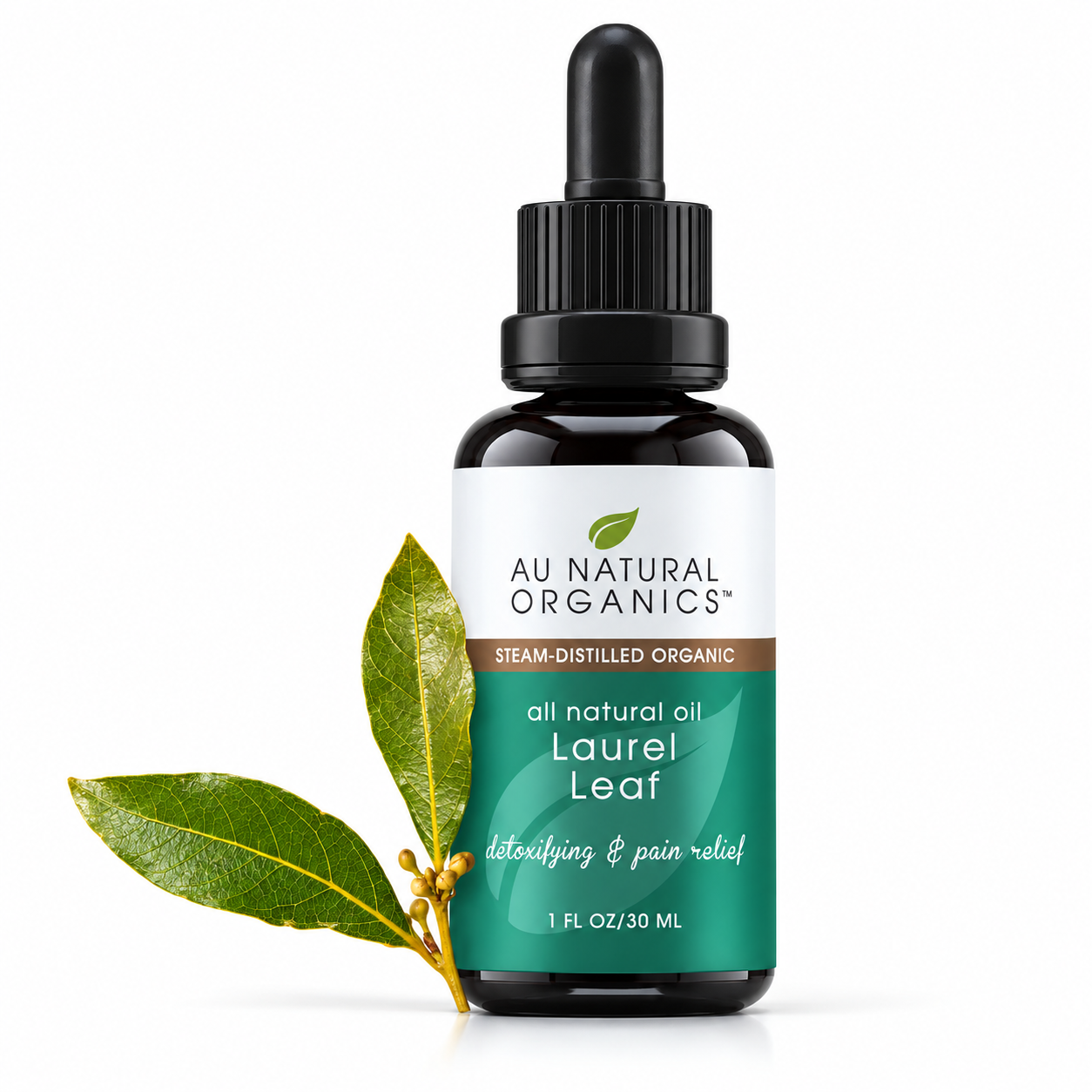
Bay laurel is the evergreen tree whose leathery leaves are the bay leaves used in cooking. Turkey is the largest source, with most leaves gathered from wild and semi-wild stands along the Aegean and Mediterranean coasts. Collectors cut leafy branches between late summer and autumn, dry them in the shade and strip off the leaves, which go to spice traders and distilleries. The oil is pale yellow and thin, with a fresh, spicy, sharp top note from 1,8-cineole and a softer, clove-like depth from linalool and eugenol.
Details
| Botanical name | Laurus nobilis (bay laurel) |
|---|---|
| Origin | Turkey, Mediterranean |
| Part used | Leaves |
| Extraction | Steam-distilled |
| Aroma | Spicy, fresh, camphor-like |
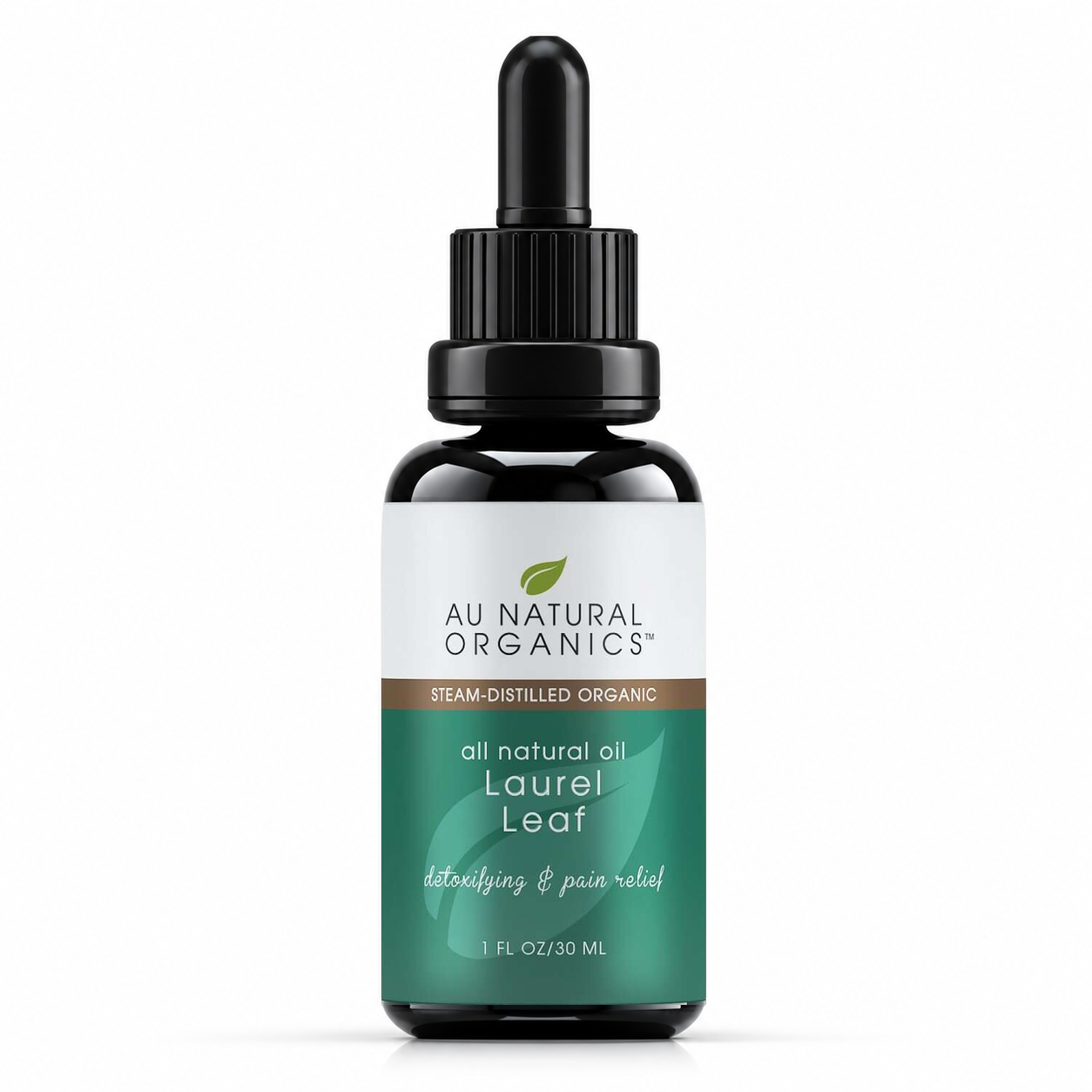
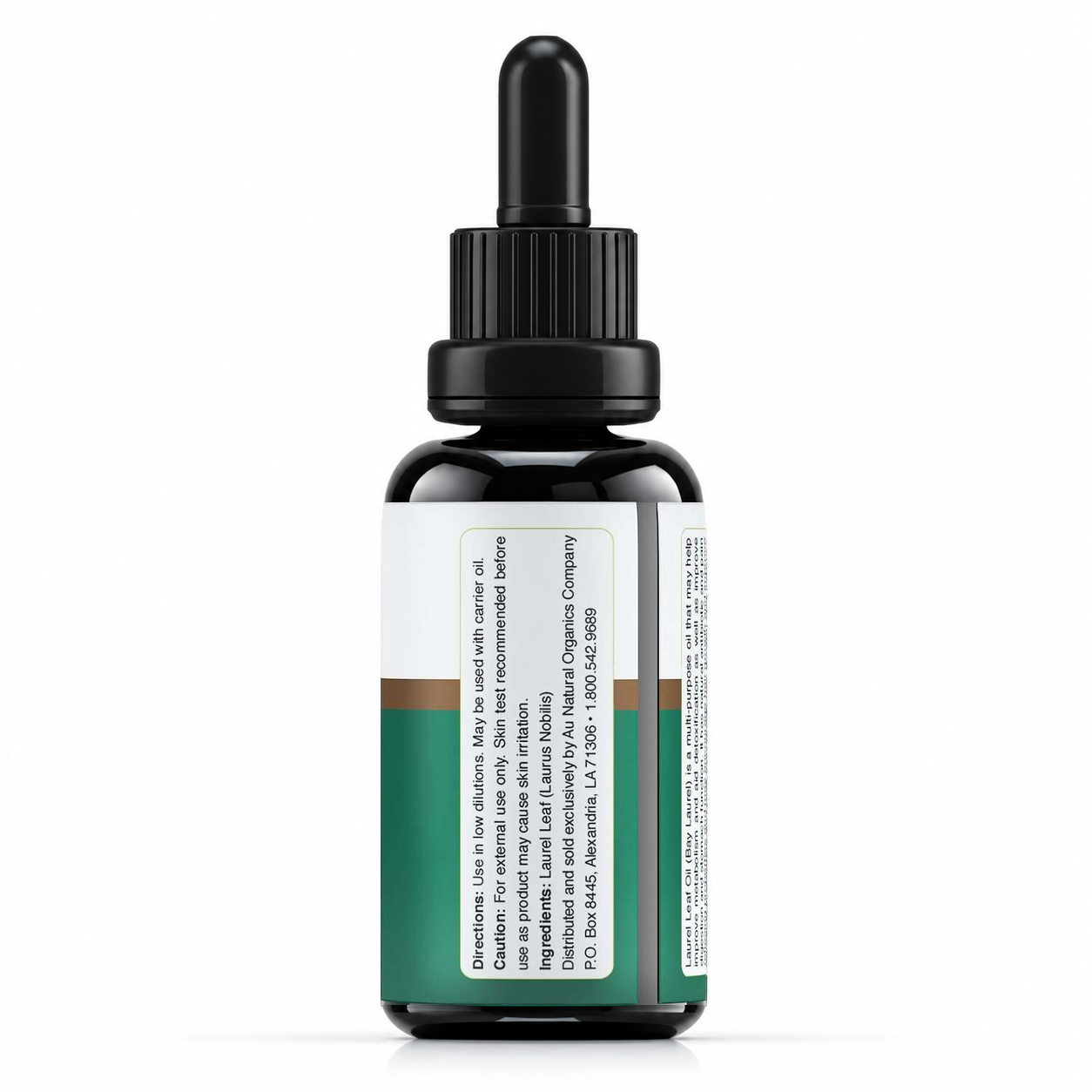
| Ingredients | 100% Laurus nobilis leaf oil |
Why supply is limited: most bay leaves go to the spice trade, and distillation gives only around 1 to 3 kg of oil per 100 kg of dried leaf.
How to use
- Beard oil: add 1 drop to a tablespoon (15ml) of carrier oil.
- Soap: add to soap recipes for a green, aromatic scent.
- Diffuser: add 2 to 3 drops with citrus or rosemary.
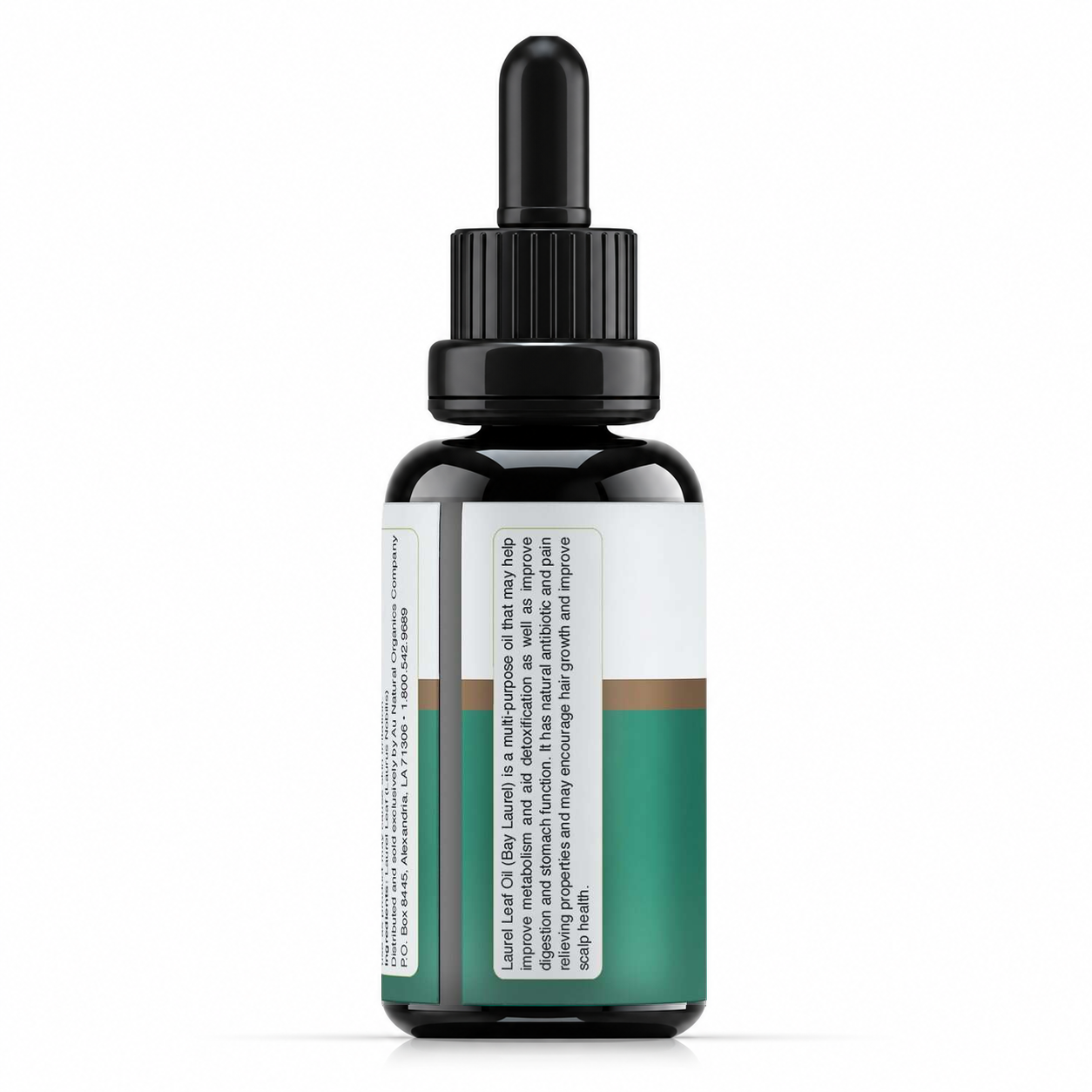
Essential oils are concentrated. Always dilute before use on skin, patch test first, keep away from eyes and out of reach of children, and do not take internally. If you are pregnant or nursing, check with your doctor before use.
FAQs
Is laurel leaf oil the same as laurel berry oil?
No. Laurel leaf oil is a steam-distilled essential oil from the leaves. Laurel berry oil is a thick, fatty oil from the fruit.
Is it the same plant as kitchen bay leaves?
Yes. Both come from the bay laurel, Laurus nobilis.
What does it blend with?
Rosemary, lavender, citrus and juniper.
Reviews
There are no reviews yet.